

Libya Trade Strategic Outlook and Investment Opportunities
Meta Description: Libya Trade is expanding across energy, construction, and logistics sectors. Discover market trends, petroleum exports, infrastructure growth, and investment potential.
Libya Trade is entering a new phase of regional and international importance. Because Libya holds substantial oil and gas reserves, it has long influenced global energy markets. However, Libya Trade now extends beyond petroleum exports into construction materials, food imports, logistics services, and infrastructure investment. Moreover, geographic proximity to Europe and access to African markets position Libya as a strategic commercial gateway. Therefore, businesses that understand Libya Trade dynamics can identify structured opportunities in both imports and exports.
1. Libya Trade and Market Structure
Libya Trade is shaped by energy revenues, reconstruction demand, and regional distribution networks. Although crude oil exports remain the backbone of the economy, import activity has increased steadily. In particular, construction materials such as cement, steel, glass, and ceramics show rising demand. As a result, suppliers in Europe, Turkey, and Asia continue expanding partnerships with Libyan distributors.
Furthermore, Libya depends heavily on imported food products, machinery, medical supplies, and consumer goods. Because domestic manufacturing capacity remains limited, international suppliers play a critical role. Consequently, Libya Trade opportunities span essential commodities and industrial equipment. For macroeconomic context, see the World Bank Libya overview.
2. Political Landscape and Economic Coordination
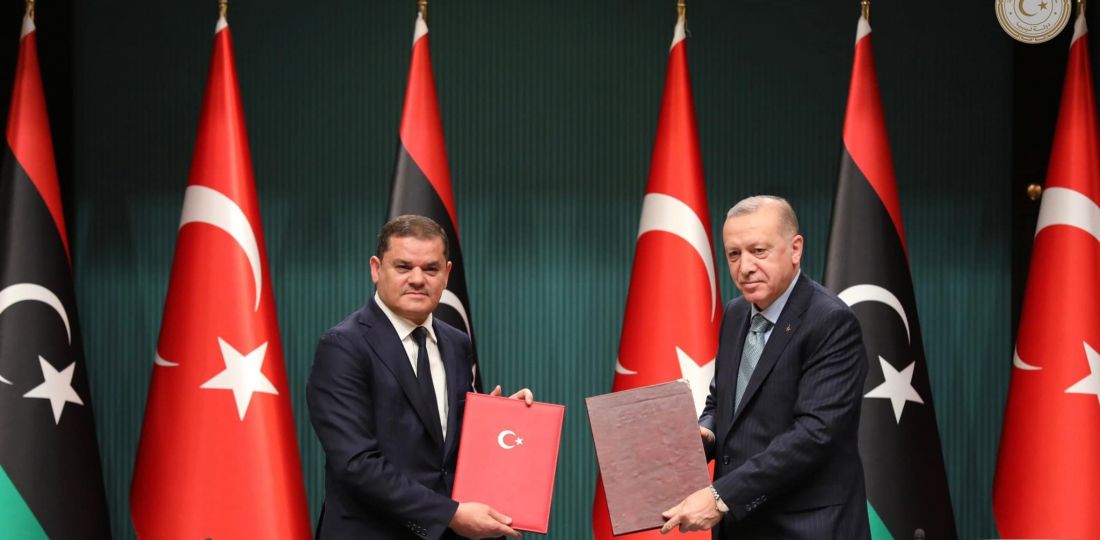
Libya Trade operates within a complex political environment divided between eastern and western administrations. The eastern region, under the Libyan National Army leadership, controls major oil-producing areas. Meanwhile, the Government of National Unity manages western economic centers such as Tripoli. Despite political divisions, commercial flows continue between both regions. Therefore, experienced traders adapt to regulatory differences while maintaining supply continuity.
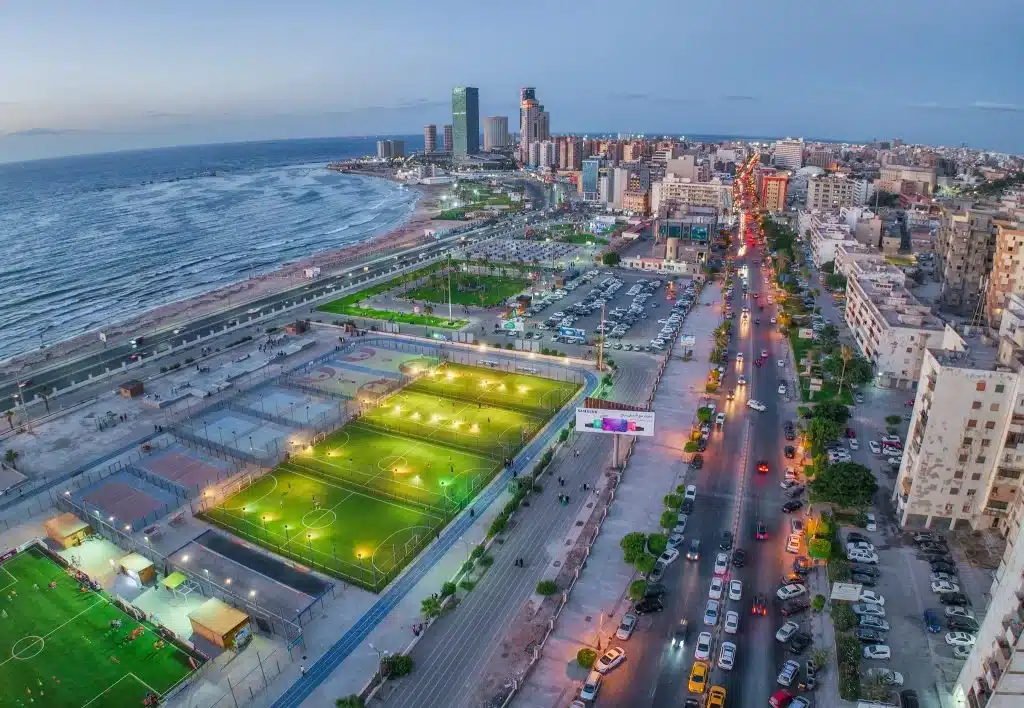
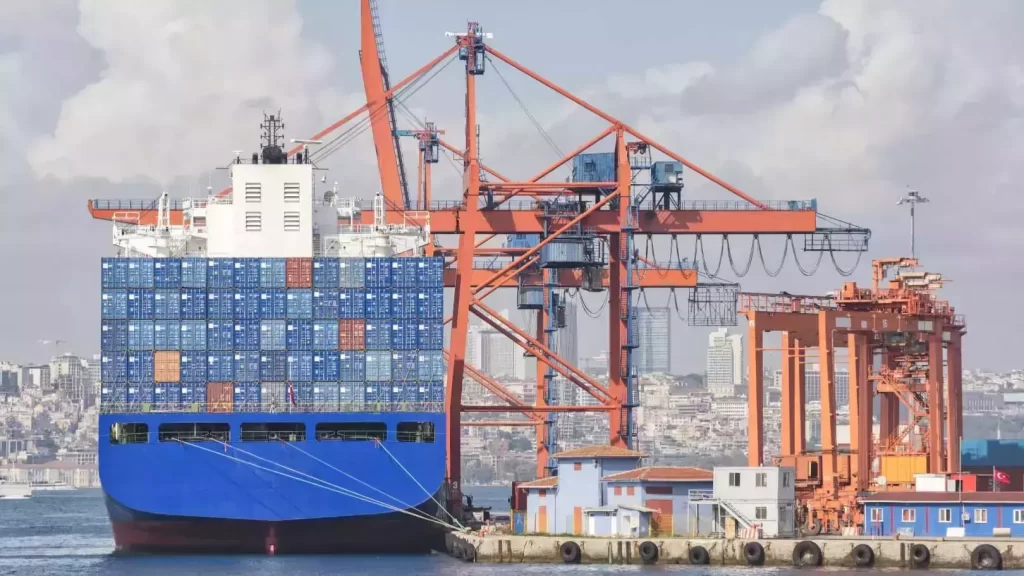
Ports such as Benghazi, Tobruk, Misrata, and Tripoli serve as vital entry points. Because infrastructure modernization projects are ongoing, trade capacity is gradually improving. Moreover, investments in port rehabilitation enhance container handling efficiency. Consequently, Libya Trade logistics are expected to strengthen over the next five years.
3. Logistics, Storage, and Distribution Growth
Logistics development represents one of the strongest pillars of Libya Trade expansion. New bonded warehouses, storage depots, and free zones improve operational efficiency. In addition, port upgrades reduce vessel waiting times. As a result, international exporters gain greater confidence in delivery reliability.
Libya’s proximity to Southern Europe creates natural transshipment advantages. Therefore, goods arriving at Libyan ports can move toward neighboring North African markets. Furthermore, modern warehousing supports temperature-controlled storage for food and medical products. Consequently, Libya Trade logistics diversify beyond bulk commodities into higher value goods.
4. Energy Exports and Petroleum Products
Energy exports remain central to Libya Trade revenue. Crude oil production funds public infrastructure and private sector activity. In addition, refined petroleum products, natural gas, and petrochemicals contribute to export diversification. Because global energy demand persists, Libya’s hydrocarbon sector retains strategic significance.
| Product | Description |
|---|---|
| Crude Oil | Primary export commodity supporting national revenue. |
| Refined Petroleum | Includes gasoline, diesel, and other processed fuels. |
| Natural Gas | Exported through pipelines and LNG shipments. |
| Petrochemicals | Used in plastics, fertilizers, and industrial materials. |
| Bitumen and Asphalt | Supplies regional road construction demand. |
However, diversification efforts aim to reduce oil dependency. Therefore, authorities encourage foreign direct investment in transportation, housing, and industrial zones. As reconstruction progresses, Libya Trade may shift toward broader sector participation.
5. Future Outlook for Libya Trade
Over the next five years, Libya Trade is expected to grow alongside infrastructure reconstruction and population expansion. Because oil revenues finance development programs, large-scale housing and public works projects are likely to continue. Moreover, urbanization increases demand for imported goods and construction materials.
International investors monitor political stabilization efforts closely. Nevertheless, trade activity demonstrates resilience even during transitional periods. Consequently, long-term partnerships with reliable local counterparts remain essential for success.
Conclusion
Libya Trade represents a dynamic intersection of energy exports, reconstruction demand, and logistics expansion. Moreover, geographic positioning strengthens its role between Europe and Africa. As infrastructure projects advance and regulatory clarity improves, Libya Trade opportunities will likely expand further. ATABAŞ GRUP continues to support structured commercial engagement in the Libyan market through disciplined logistics, quality assurance, and long-term partnership development.
