

Why Cement Matters in 2026
The global cement market remains a strategic pillar of infrastructure, urban development, and industrial growth. As construction activity stabilizes in some regions and accelerates in others, cement supply reliability and export capability have become as important as price.
In 2026, Türkiye continues to play a central role in global cement trade, supported by strong production capacity, export-oriented plants, and access to key maritime routes.
Turkey’s Strategic Position in the Global Cement Market
Türkiye is one of the largest cement producers and exporters globally. Its geographic position allows efficient supply to Europe, MENA, Africa, and the Eastern Mediterranean, making Turkish cement highly competitive in international markets.
Key advantages include:
- Modern production facilities
- Consistent quality standards (EN, ASTM compliance)
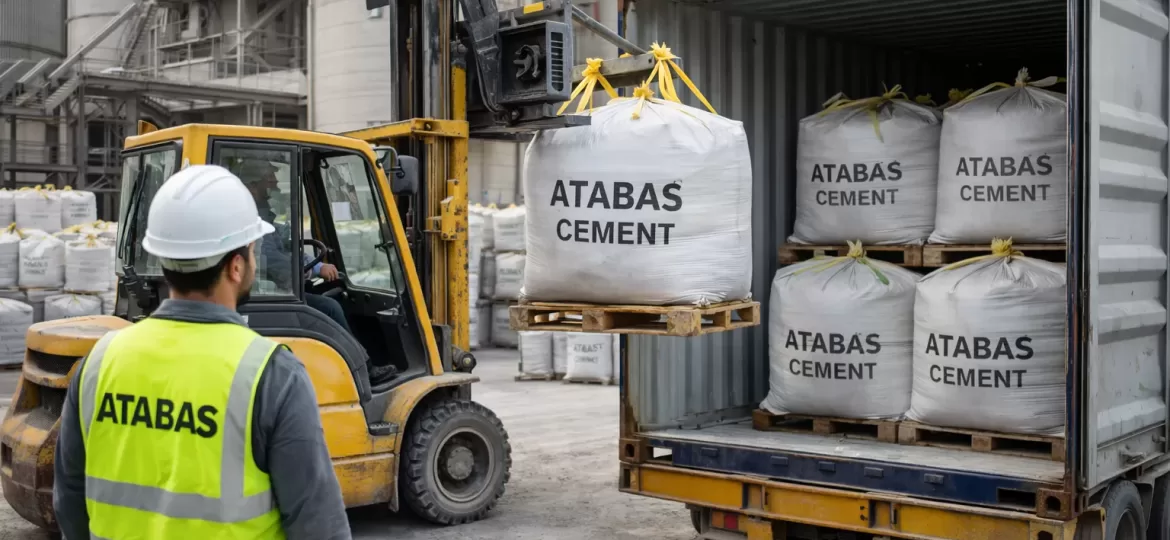
- Strong bulk and bagged export infrastructure
- Competitive logistics through Mediterranean and Black Sea ports
As a result, Türkiye is not only a producer but a reliable long-term supplier for global construction markets.
Cement Production and Export Volumes (Türkiye)
| Indicator | Estimated Volume (2025–2026) |
|---|---|
| Annual cement production | ~85–90 million MT |
| Annual cement exports | ~30–35 million MT |
| Clinker exports | ~12–15 million MT |
| Active export terminals | 25+ ports |
| Export format | Bulk & bagged |
These volumes position Türkiye among the top global cement exporting countries.
Key Export Destinations for Turkish Cement
| Region | Main Importing Countries |
|---|---|
| Europe | Italy, Spain, France, Romania |
| MENA | Israel, Libya, Egypt, Saudi Arabia |
| Africa | Ghana, Ivory Coast, Senegal |
| Americas | USA, Haiti, Dominican Republic |
| Eastern Mediterranean | Greece, Cyprus |
Export flows are driven by infrastructure demand, reconstruction projects, and urban expansion in these regions.
Cement Types Produced and Exported
Türkiye produces and exports a wide range of cement types, suitable for different construction needs and standards.
| Cement Type | Description | Typical Use |
|---|---|---|
| CEM I (Portland Cement) | High early strength | General construction |
| CEM II | Blended cement | Residential & commercial |
| CEM III | Blast furnace cement | Infrastructure & marine |
| Sulphate Resistant Cement | Low sulphate reaction | Harsh soil conditions |
| Oil Well Cement | Special formulation | Energy & drilling projects |
| White Cement | Architectural grade | Decorative construction |
This diversified product range allows suppliers to serve both standard and specialized projects.
Main Applications of Cement
Cement exported from Türkiye is used across multiple sectors:
- Infrastructure projects (roads, bridges, ports)
- Residential and commercial construction
- Industrial facilities and logistics hubs
- Energy projects and marine structures
- Reconstruction and post-conflict development
Demand remains especially strong in fast-growing and rebuilding economies.
Pricing and Trade Dynamics
Cement pricing is influenced by:
- Energy and fuel costs
- Clinker availability
- Freight and bulk vessel rates
- Regional supply-demand balance
However, execution capability and logistics reliability increasingly define successful trades, particularly in spot and short-term contracts.
Outlook for 2026
Looking ahead, the cement market outlook for 2026 suggests:
- Stable global demand with regional fluctuations
- Continued strength in export-driven markets
- Increased focus on supply reliability over marginal price differences
Türkiye is expected to maintain and strengthen its export position, supported by production scale and geographic reach.
Strategic Takeaway for Buyers
For international buyers, sourcing cement from Türkiye offers:
- Consistent quality
- Large-scale availability
- Flexible export formats
- Proximity to key demand regions
In a market where project timelines matter, reliable supply execution is as critical as price.
About ATABAŞ GRUP
ATABAŞ GRUP supports international buyers and corporate clients with cement and clinker sourcing, spot trade execution, logistics coordination, and market advisory services, leveraging Türkiye’s strong production base and export infrastructure.
