

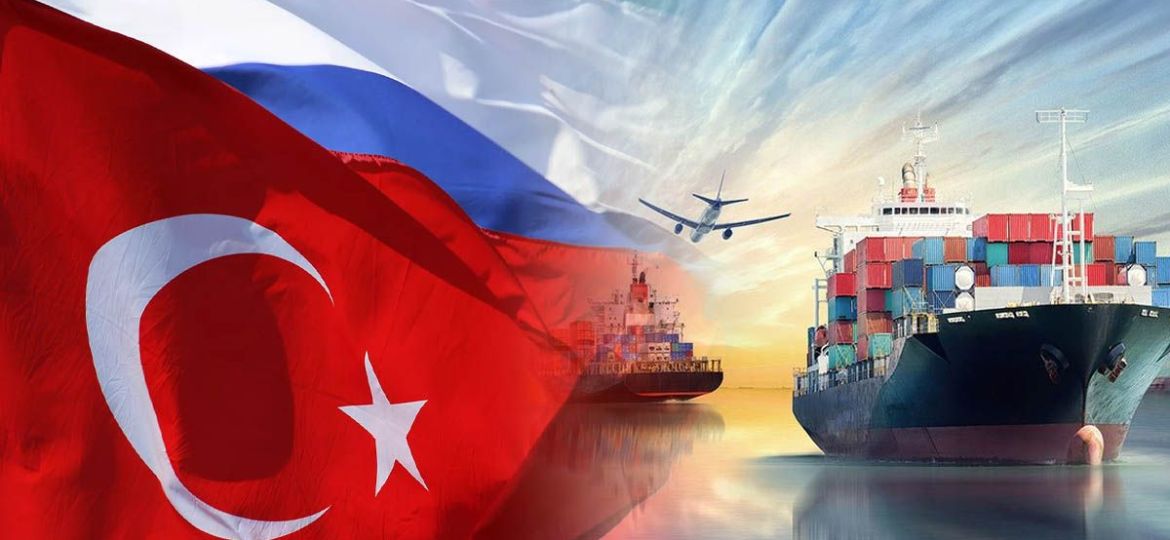
Geopolitical Changes and National Trade Strategies
As a result of changing global dynamics and evolving geopolitical structures, every country faces its own set of risks and responsibilities. To manage these challenges, nations must develop well-defined strategies that shape domestic trade, create economic value, and generate sustainable employment opportunities for their citizens.
Türkiye’s Strategic Role in Regional Trade
Türkiye holds a strategically important position in the Middle East and Eurasian trade corridors. Although linguistic differences exist between Türkiye and Russia, these challenges can be effectively overcome through the use of common business languages such as English and French, as well as professional translation support. What truly matters is not the form of communication, but the establishment of real, value-generating trade structures that deliver tangible benefits to both countries.
Opportunities for Expanding Bilateral Trade
Through strategic planning, Türkiye can significantly expand its trade volume in sectors such as grain, metals, plastic raw materials, petroleum products, forest products, and many other industries. Russian companies can establish direct relationships with Turkish trading companies without relying heavily on intermediaries. By doing so, they can form bilateral partnerships, long-term agreements, and sustainable commercial frameworks.
This process is neither complex nor difficult when approached with clarity, transparency, and professionalism.
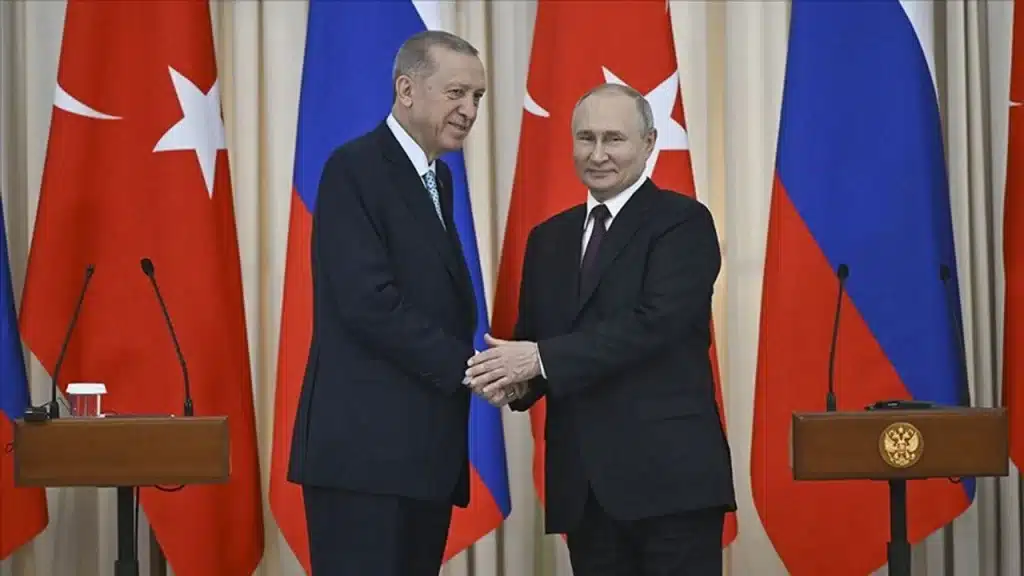
Direct Access to Reliable Trading Partners
Reaching Türkiye from Russia is not a challenging task for serious companies. Russian firms can identify reputable Turkish companies through official channels such as the Ministry of Trade, chambers of commerce, or trusted local partners. While many trading companies may claim the ability to conduct business in areas such as oil, forest products, or other commodities, only a limited number possess the actual capability, infrastructure, and experience required to execute such trades successfully.
Preserving Bilateral Relations Within Legal Frameworks
Despite existing challenges, it remains essential to protect and preserve bilateral relations with Russia. Within the boundaries of international law and applicable regulations, Türkiye should aim to maximize trade with neighboring countries under appropriate and compliant conditions.
By fully respecting embargoes and regulatory frameworks, both countries can develop alternative and lawful trade mechanisms. Targeted studies and cooperative initiatives can support permitted import and export activities, helping to expand trade volumes in sectors that remain open and compliant.
The Impact of Excessive Intermediation on Trade
The excessive use of intermediaries in trade with Russia often leads to inflated prices and abnormal cost structures. This situation reduces the competitiveness of the Turkish market and can ultimately bring commercial activity to a halt. For this reason, companies or individuals acting as intermediaries should avoid demanding commissions that hinder transactions or make trade economically unviable.
Sustainable trade can only continue when pricing remains fair, transparent, and value-driven.
