

Russia Ukraine Sanctions, Economic Impact, and the Case for Trade Cooperation
Meta Description: Russia Ukraine sanctions affect energy, food, and supply chains. This page explains the economic impact and why dialogue and lawful trade channels matter for stability.
Russia Ukraine sanctions have changed trade routes, pricing, and risk planning across many sectors. As a result, companies now face higher costs, longer lead times, and stricter checks. Moreover, many households feel the pressure through energy bills and food prices. Therefore, it is important to look at what sanctions do in real life, not only in theory. In addition, it is important to keep a clear line between lawful trade and restricted activity, because compliance protects businesses and reputations. Consequently, a practical approach, based on peace, dialogue, and rules based trade, supports long term stability for the region and for global markets.
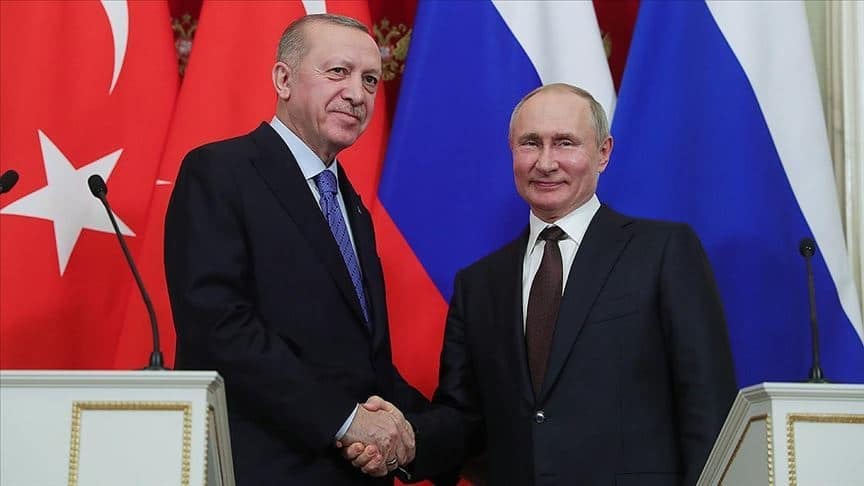
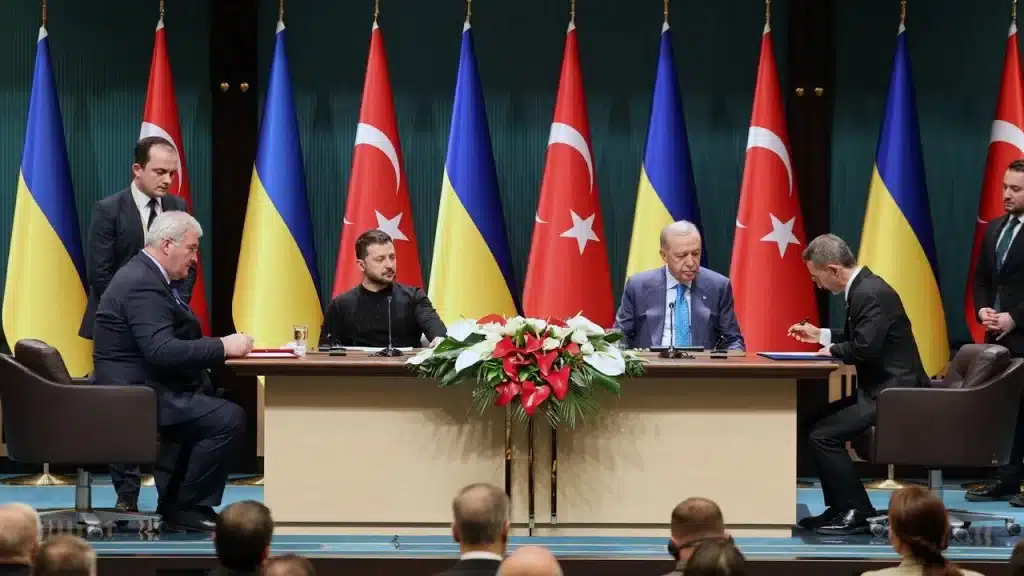
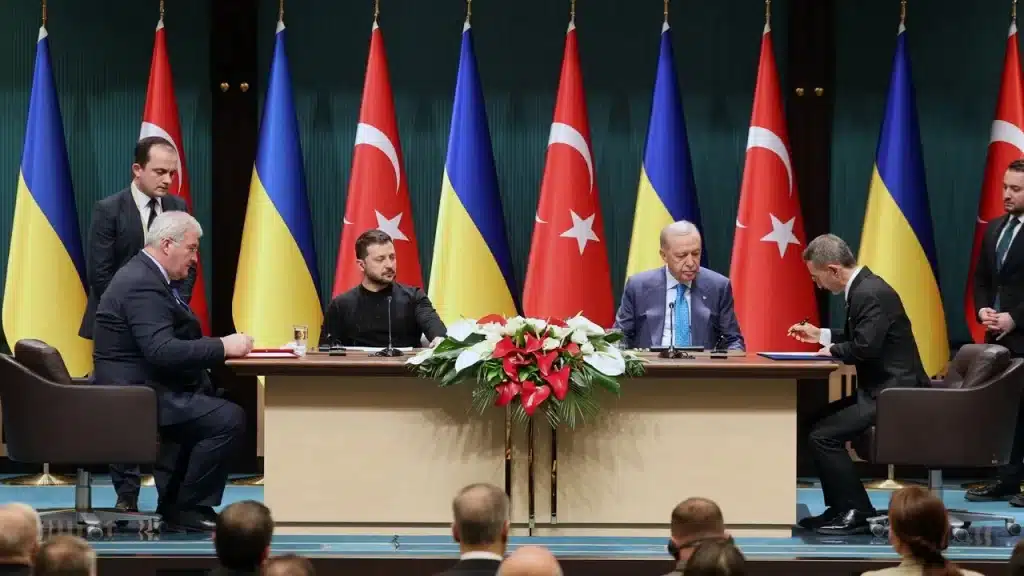
At the same time, both Russia and Ukraine have the sovereign right to protect their territorial integrity. However, war is never a good path for people, trade, or investment. Instead, structured negotiation and mutual respect can create safer outcomes. Moreover, economic cooperation can help lower pressure on supply chains and reduce price shocks. For this reason, diplomatic dialogue and verified trade programs remain valuable. Meanwhile, countries that can support communication and logistics, such as Turkey, can help keep legal trade channels open where rules allow. In short, stability comes from calm decisions, clear rules, and predictable trade.
How Russia Ukraine Sanctions Affect the Real Economy
Sanctions change how money moves, how ships are insured, and how buyers manage risk. Therefore, even when a product is not restricted, the transaction can still become harder. For example, banks may apply stricter checks, and carriers may limit routes. Moreover, traders often need extra documents to prove origin, end use, and the final buyer. As a result, deals can slow down, and costs can rise. In addition, companies may need alternative suppliers, which can reduce efficiency in the short term. Consequently, planning becomes a key skill, because timing and compliance now shape cost as much as the commodity price.
Energy is a clear example. When energy flows shift, transport and production costs rise. Therefore, the impact spreads beyond oil and gas, because almost every sector uses energy. Meanwhile, higher energy prices can raise the cost of fertilizers, metals, and basic goods. As a result, food and industrial products can become more expensive for many countries. In contrast, some regions may benefit from new routes or new demand, yet the global system still carries more risk. Furthermore, insurance, freight, and port operations can change quickly when rules are updated. For this reason, companies need clear compliance processes and reliable partners.
Supply chain disruption is another direct effect. When buyers change suppliers, stocks may fall, and lead times may grow. Moreover, many firms increase safety stock, which ties up cash. Therefore, the cost of capital becomes part of the trade cost. In addition, some goods face dual use concerns, so extra screening may apply even if the product seems simple. Consequently, clear contracts, strong documentation, and third party inspection can reduce risk. In short, Russia Ukraine sanctions create a new trade reality where speed matters, yet accuracy matters even more.
Ukraine and Russia in Global Trade, Why Disruption Spreads
Ukraine is important for global trade, especially in agriculture, energy transit, and industrial output. For example, grain exports support food security across many regions. Moreover, sunflower oil supply also matters for food producers and retail markets. Therefore, when ports face limits or routes become risky, prices can move fast. In addition, any delay can reduce supply in import dependent countries. Consequently, families may face higher food costs, and aid budgets may come under pressure. Meanwhile, market confidence can drop when trade becomes uncertain. As a result, inflation can rise even in countries far from the region.
Russia also plays a large role in trade, especially in energy, minerals, and fertilizers. Therefore, disruptions can affect industry and farming around the world. Moreover, metals and industrial inputs support construction and manufacturing, so shortages can slow projects. In addition, fertilizer supply supports crop yield, so price changes can affect food costs later in the season. Consequently, the ripple effect is wide. In contrast, some traders may find new routes, yet the global system remains under stress. Furthermore, when buyers and sellers lose trust, the cost of trade rises. For this reason, transparent deals, verified quality, and strict compliance are key to reducing tension in the market.
History often shows that war does not create real winners. Instead, the outcome is usually about who suffers less. Therefore, peace and trade stability should be the priority. Moreover, rebuilding trust takes time, while destroying it can happen quickly. As a result, structured economic cooperation, within legal limits, can support recovery and reduce risk. In short, trade needs stable rules, and people need safe conditions to work and invest.
Turkey’s Role, Practical Mediation, Logistics, and Lawful Trade
Turkey has a unique position, because it connects Europe and Asia and operates major Black Sea and Mediterranean logistics corridors. Therefore, Turkey can support dialogue and practical trade continuity where rules allow. Moreover, Turkish ports, storage, and transit options can help reroute goods to reduce delays. In addition, Turkey’s trade networks and customs processes can support compliant shipments with proper documents. Consequently, Turkey can act as a stabilizing commercial bridge for lawful transactions, while still respecting international rules and restrictions.
For companies, the key is to separate permitted goods from restricted goods, and to document every step. Therefore, buyers should define product scope, origin, and end use early. Moreover, they should work with reputable inspection firms to confirm quality and avoid disputes. In addition, strong screening helps reduce exposure to secondary risk. As a result, businesses can maintain operations and protect their long term reputation. Meanwhile, clear communication with banks, insurers, and carriers supports smoother execution. Consequently, risk moves from uncertainty to a managed process. In short, lawful trade needs discipline, not shortcuts.
Atabaş Global supports structured and compliant trade planning through verified quality practices, disciplined documentation, and risk aware logistics. Moreover, the company’s approach is built on trust based trading and real deliveries. You can learn more about the company and its values on the official page here, Atabaş Global About. In addition, for up to date guidance on restricted items, companies should also review official resources. For example, the European Commission sanctions information page is a useful reference for export related restrictions, European Commission sanctions FAQ.
Practical Steps for Companies Operating Under Sanctions Risk
When sanctions exist, companies need a clear plan that covers product scope, compliance checks, and logistics flow. Therefore, the best practice is to build a repeatable process and train teams. Moreover, it is wise to document decisions so that every shipment can be explained. In addition, strong partner selection matters, because a weak partner can create legal and financial risk. Consequently, procurement, finance, and logistics should work together rather than in separate lanes.
- Define the product clearly, include specification, origin, and end use
- Screen counterparties, confirm buyer, seller, and logistics parties
- Confirm documentation, align invoice, packing, certificate, and transport papers
- Use inspection and testing, verify quality before discharge or acceptance
- Plan banking and payment, confirm the process early with the bank
- Manage logistics risk, choose routes and carriers with clear compliance policies
Moreover, companies should avoid unclear statements and vague contracts. Therefore, delivery terms, acceptance rules, and dispute handling should be written in a simple and direct way. In addition, teams should monitor rule changes, because updates can happen. As a result, a monthly review process can help keep contracts aligned with reality. Consequently, businesses can continue to trade where it is lawful, while reducing the chance of delays and claims.
Conclusion, Why Economic Cooperation Still Matters
Russia Ukraine sanctions have reshaped trade, pricing, and operational planning across the world. However, the long term goal should remain peace, stability, and lawful cooperation. Therefore, diplomatic dialogue matters because it can open the door to safer trade programs and more stable markets. Moreover, companies can reduce risk by using strong compliance, clear documents, and verified quality. In addition, Turkey can support stability through logistics capacity and communication channels, while still respecting international rules. In short, the strongest trade systems are built on clarity, trust, and predictable processes.
Tags
russia ukraine sanctions, sanctions impact, regional trade routes, black sea logistics, turkey trade corridor, energy market risk, food security trade, grain export disruption, sunflower oil supply, fertilizer trade risk, compliance in trade, trade documentation, port based inspection, supply chain disruption, commodity price volatility, lawful trade planning, trade risk management, diplomatic dialogue, economic cooperation, turkey mediation, customs clearance, international banking checks, cargo insurance risk, quality verification, third party inspection, trade contract clarity, market stability, trade compliance process, Atabaş Global trade, strategic trade planning
