

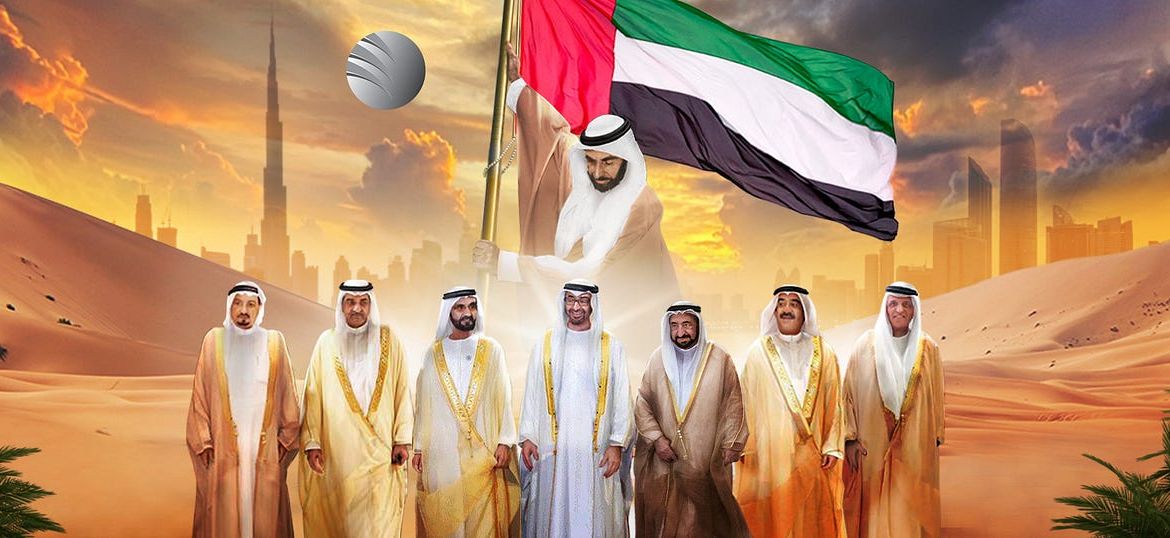
UAE Petroleum Trade and Strategic Role in Global Energy Markets
Introduction The United Arab Emirates holds a crucial position in global energy flows and international commerce. In particular, UAE petroleum trade continues to shape regional supply chains and global fuel distribution. Emirates such as Fujairah, Hamriah, Sharjah, and Dubai play decisive roles in petroleum exports, storage, refining, and re export activity. Therefore, the UAE has developed into one of the most reliable energy and trade hubs in the world.
Moreover, the country combines strategic geography with modern infrastructure and stable regulation. As a result, international traders, refiners, and logistics firms rely on the UAE for secure and efficient operations.
Strategic Importance of UAE Petroleum Trade
The UAE possesses some of the largest proven oil reserves globally. Consequently, petroleum and natural gas remain central to the national economy. In addition, the country has invested heavily in downstream infrastructure, storage capacity, and export terminals. Therefore, UAE petroleum trade extends beyond crude exports and includes refined fuels, petrochemicals, and bunker supply services.
Fujairah and Hamriah serve as strategic energy gateways. Because of their proximity to the Strait of Hormuz and direct access to open waters, these ports secure stable oil flows to Europe, Asia, and Africa. As a result, the UAE maintains a strong position in global energy security discussions.
Fujairah as a Core Hub of UAE Petroleum Trade
Fujairah ranks among the most important oil storage and bunkering ports worldwide. Unlike ports inside the Gulf, Fujairah offers direct access to international waters. Therefore, vessels can operate without passing through narrow maritime routes. This advantage strengthens the reliability of UAE petroleum trade.
Furthermore, the Fujairah Oil Industry Zone provides large scale tank farms, blending facilities, and trading offices. As a result, global petroleum companies manage inventory, conduct spot trades, and coordinate shipments from a single integrated platform.
Hamriah and Sharjah Industrial and Energy Infrastructure
Hamriah Free Zone supports oil, petrochemical, and manufacturing activity. In addition, duty advantages and modern port systems reduce operating costs. Consequently, investors choose Hamriah for bulk storage and industrial processing operations.
Sharjah strengthens this ecosystem through logistics expansion and industrial diversification. Because of its well developed ports and industrial zones, Sharjah connects regional manufacturing with UAE petroleum trade routes. Therefore, the emirate contributes to both domestic supply and export capacity.
Dubai Secure Trade and Financial Environment
Dubai complements UAE petroleum trade with financial depth and regulatory clarity. The Dubai International Financial Centre and Jebel Ali Port provide secure legal frameworks and advanced logistics services. As a result, capital flows, commodity trading, and structured energy transactions operate efficiently.

Moreover, Dubai’s transparent regulations and strong compliance systems increase investor confidence. Consequently, international traders frequently structure contracts and finance deals within the emirate.
Diversified Trade Sectors Supporting UAE Petroleum Trade
Although petroleum remains central, the UAE has diversified its economy. For example, gold trading, logistics, real estate, tourism, and technology sectors contribute significantly to GDP. Nevertheless, energy trade continues to anchor large scale shipping and re export flows.
Because the UAE sits between Europe, Asia, and Africa, it acts as a re export gateway. Therefore, ports handle substantial volumes of redistributed goods, including fuel and petrochemicals. In addition, ongoing investment in smart infrastructure ensures long term competitiveness.
Conclusion
UAE petroleum trade remains a cornerstone of regional and global energy supply. Fujairah, Hamriah, Sharjah, and Dubai each contribute specialized strengths that support storage, finance, logistics, and export activity. Consequently, the United Arab Emirates continues to expand its influence in international trade and energy markets. As diversification progresses, its strategic relevance is expected to grow even further.
