

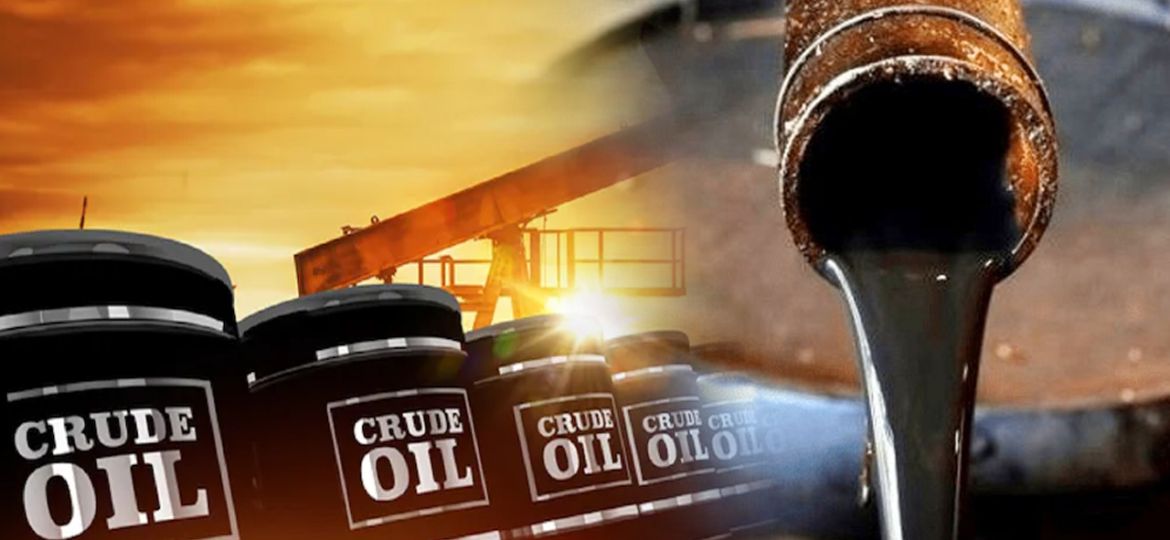
The trade of ULSD 10 PPM and crude oil sits at the core of the global energy sector. These products support transportation, industry, and economic stability across regions. Despite their importance, the trade of low sulfur fuels and crude oil often suffers from a lack of discipline, insufficient standards, and the involvement of companies that lack the required competence.
To protect market integrity, ensure supply security, and maintain trust, the industry must adopt a more serious and structured approach. One of the most critical steps is refraining from providing products to non-competent companies.
The Strategic Importance of ULSD 10 PPM and Crude Oil
ULSD 10 PPM plays a vital role in reducing emissions and supporting cleaner fuel consumption due to its very low sulfur content. Governments and industries rely on ULSD 10 PPM to meet environmental regulations and improve air quality.
Crude oil, meanwhile, remains a fundamental energy source and industrial input worldwide. It supports refining, petrochemicals, power generation, and countless downstream applications. The uninterrupted and reliable trade of crude oil directly affects energy security and economic stability.
Given this importance, ULSD 10 PPM and crude oil trading require high operational standards, technical knowledge, and financial discipline.
The Risks Created by Non-Competent Market Participants
The involvement of non-competent companies creates significant challenges in ULSD 10 PPM and crude oil trade. These entities often lack trading experience, operational infrastructure, financial strength, or technical understanding of energy markets.
As a result, they may fail to manage contracts, logistics, quality control, and risk exposure. This leads to delayed transactions, failed deliveries, price instability, and reputational damage for legitimate market participants. In extreme cases, such weaknesses can disrupt supply chains and undermine trust across the entire sector.
Why the Industry Must Adopt a More Serious Approach
ULSD 10 PPM and crude oil trade is not a simple commodity exchange. It requires strict coordination between supply, logistics, finance, and compliance. Every transaction involves significant value, regulatory oversight, and operational risk.
Providing products to companies that do not meet professional standards weakens market efficiency and increases exposure to disputes and failures. For this reason, traders and suppliers must evaluate counterparties carefully and limit access to products to qualified, capable, and compliant companies.
A disciplined market benefits everyone by reducing risk, improving reliability, and strengthening long-term cooperation.
Regulatory Compliance and International Standards
Compliance with regulatory frameworks and international trade standards is essential in ULSD 10 PPM and crude oil trade. These regulations govern product quality, environmental impact, transportation safety, financial transparency, and cross-border trade.
Non-compliance can lead to severe legal penalties, financial losses, and restrictions on market access. Companies that fail to meet regulatory requirements also expose their trading partners to unnecessary risk. Strict adherence to international standards protects both individual companies and the broader energy market.
Technology and Transparency in Energy Trading
Technological advancements increasingly shape modern energy trading. Digital trading platforms, data analytics, and emerging tools such as blockchain improve transparency, traceability, and operational efficiency.
These technologies reduce manual errors, strengthen documentation control, and enhance transaction security. Companies that adopt digital solutions gain better visibility across supply chains and improve trust with partners and regulators alike.
Environmental Responsibility and Sustainability
While ULSD 10 PPM reduces sulfur emissions compared to traditional diesel, both ULSD and crude oil remain fossil fuels with environmental impacts. Responsible trading includes efforts to minimize emissions, optimize logistics, and support cleaner energy transitions.
The energy sector continues to explore alternative fuels, improved refining technologies, and efficiency measures. Market participants who align commercial activity with environmental responsibility strengthen their long-term position.
Global Market Dynamics and Volatility
ULSD 10 PPM and crude oil markets react strongly to global factors such as geopolitical developments, supply disruptions, demand shifts, and price volatility. These dynamics influence trading strategies, contract structures, and risk exposure.
Competent companies monitor global trends closely and adapt quickly. Non-competent participants often fail to respond effectively, increasing the likelihood of losses and market disruption.
Risk Management and Contingency Planning
Effective risk management stands at the center of professional energy trading. Price fluctuations, political instability, logistical disruptions, and financial risks require structured contingency planning.
Companies with strong risk management frameworks protect supply continuity and financial stability. Those without such systems expose themselves and their partners to serious operational threats.
Future Outlook and Industry Direction
The future of ULSD 10 PPM and crude oil trade will demand higher standards, greater transparency, and stronger compliance. Market participants who invest in expertise, technology, and risk control will remain competitive.
At the same time, the sector will continue to evolve toward cleaner energy solutions. Companies that adapt early and operate responsibly will find new opportunities while maintaining their role in traditional energy markets.
Conclusion
ULSD 10 PPM and crude oil trade require seriousness, discipline, and professionalism. Allowing non-competent companies to participate without proper evaluation weakens market integrity and increases risk for all stakeholders.
A stricter approach—focused on competence, compliance, and transparency—strengthens confidence, protects supply chains, and ensures the sustainable continuation of energy trade operations. Only by raising standards can the sector maintain trust and long-term stability.
