

The Bitumen Trade Between Iraq and Turkey has become one of the most strategic supply routes for the regional construction, inThe Bitumen Trade Between Iraq and Turkey is rapidly becoming one of the most important supply routes for road construction and infrastructure development in the region. As a result, Turkey continues to strengthen its position as a logistics hub that connects producers and international buyers. Moreover, the Bitumen Trade Between Iraq and Turkey supports both domestic projects and cross-border distribution to Europe. In this article, we will explore the Bitumen Trade Between Iraq and Turkey in detail, including product grades, key specifications, real-world applications, and Turkey’s rising export power to Romania, Bulgaria, and other markets.
Why Bitumen Matters in Modern Infrastructure
Bitumen plays a crucial role in asphalt production, waterproofing, insulation, and industrial construction. Because it offers durability, strong adhesion, and water resistance, engineers use it to build safer and longer-lasting roads. In addition, bitumen improves pavement flexibility, which helps reduce cracking and deformation.
Turkey also contributes significantly to this supply chain. For this reason, many buyers choose Turkey for stable sourcing, efficient warehousing, and fast delivery options.

Bitumen 40/50 – Specifications and Main Applications
What is Bitumen 40/50?
Bitumen 40/50 is a hard penetration grade bitumen. Therefore, it performs very well under heavy traffic and extreme load conditions. Compared to softer grades, it provides higher stiffness and increased resistance to rutting.
Key Specifications (Overview)
- Penetration grade: 40–50
- High stiffness and strong durability
- Excellent deformation resistance under heavy loads
Usage Areas of Bitumen 40/50
Bitumen 40/50 fits perfectly in:
- Highways and express roads
- Heavy-duty industrial roads
- Logistics and cargo route paving
- Asphalt mixes designed for warm climates
In short, this grade supports long-term performance when traffic density is high.
| Bitumen Grade | Specification (Penetration @25°C) | Performance Features | Main Usage Areas |
|---|---|---|---|
| Bitumen 40/50 | 40 – 50 dmm | Hard grade, high stiffness, strong rutting resistance | Heavy-duty highways, industrial roads, high traffic pavements, hot climate asphalt mixes |
| Bitumen 50/70 | 50 – 70 dmm | Balanced hardness & flexibility, widely used standard grade | City roads, national highways, general road construction, asphalt production plants |
| Bitumen 60/70 | 60 – 70 dmm | Stable workability, good adhesion, reliable performance | Medium traffic roads, infrastructure projects, resurfacing works, municipal paving |
| Bitumen 70/100 | 70 – 100 dmm | Softer grade, higher flexibility, better crack resistance | Cooler climate asphalt mixes, road maintenance, surface dressing, moderate traffic roads |
Bitumen 50/70 – Specifications and Common Uses
What is Bitumen 50/70?
Bitumen 50/70 ranks among the most traded grades globally. Because it balances hardness and flexibility, it works well in many climates. Furthermore, contractors prefer it due to its strong workability during asphalt mixing.
Key Specifications (Overview)
- Penetration grade: 50–70
- Balanced viscosity and performance
- Reliable stability under medium-to-high traffic
Usage Areas of Bitumen 50/70
Bitumen 50/70 commonly supports:
- Urban road construction
- Main roads and highways
- Asphalt plants and paving contractors
- Municipal maintenance and resurfacing
Therefore, it remains one of the strongest products in regional trade and exports.
Bitumen 60/70 – Specifications and Performance Advantages
What is Bitumen 60/70?
Bitumen 60/70 provides dependable performance and strong bonding properties. In particular, it delivers excellent adhesion to aggregates. As a result, asphalt surfaces gain better stability and longer service life.
Key Specifications (Overview)
- Penetration grade: 60–70
- Strong aggregate bonding
- Smooth performance for flexible pavements
Usage Areas of Bitumen 60/70
This grade works especially well for:
- Mid-traffic road paving
- City roads and infrastructure upgrades
- Road rehabilitation projects
- Asphalt resurfacing and repair works
In addition, 60/70 offers consistent handling for large-scale projects where timing and quality must align.
Bitumen 70/100 – Specifications and Where It Works Best
What is Bitumen 70/100?
Bitumen 70/100 is a softer penetration grade. Because it provides higher flexibility, it helps resist cracking in cooler climates. Moreover, it supports strong fatigue resistance over time.
Key Specifications (Overview)
- Penetration grade: 70–100
- Higher flexibility
- Better performance in cooler conditions
Usage Areas of Bitumen 70/100
Bitumen 70/100 is widely used for:
- Cold climate asphalt projects
- Roads with moderate traffic volumes
- Maintenance and surface dressing
- Pavement layers requiring extra flexibility
Consequently, it becomes a reliable choice for areas with temperature fluctuation and seasonal stress.
Bitumen Supply Chain Between Iraq and Turkey: Imports and Exports
The trade connection between Iraq and Turkey continues to grow. First of all, regional infrastructure projects create constant demand. Secondly, Turkey offers strong logistics and storage capabilities. Therefore, buyers can secure supply with fewer delays.
Turkey supports this trade flow through:
- Warehousing and stock management
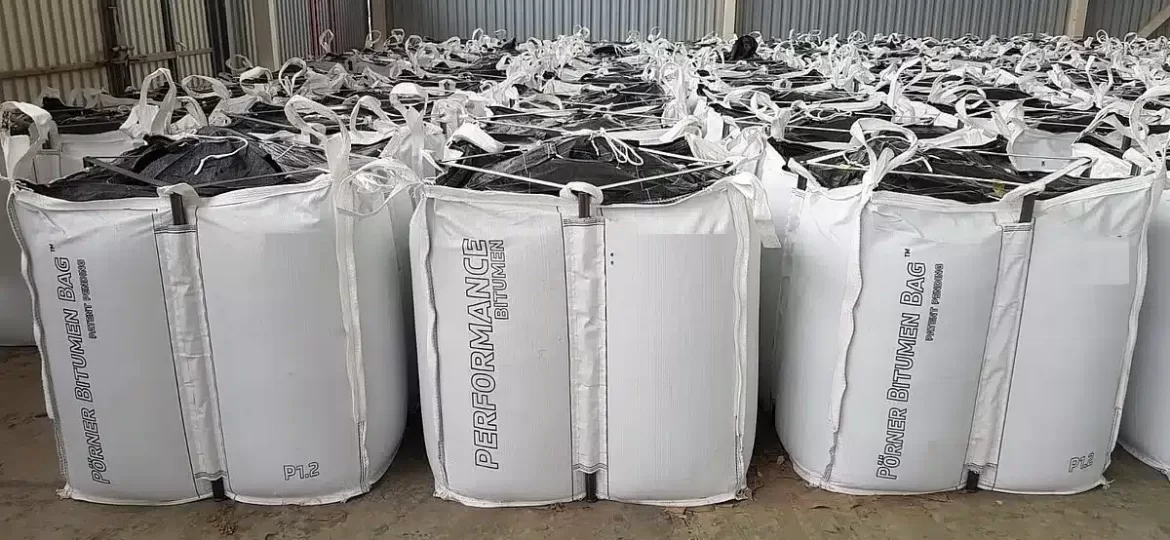
- Multiple delivery options (bulk, drums, IBC, flexitank)
- Fast border and port operations
- Re-export distribution channels
In other words, Turkey does not only import or sell bitumen—it actively manages a complete supply chain.
Turkey’s Importance in Bitumen Exports to Romania, Bulgaria, and Other Markets
Turkey plays a major role in regional and international bitumen exports. Thanks to efficient trade routes and established supplier networks, Turkey ships bitumen to many countries quickly and consistently.
Romania
Romania remains a key market. Because road modernization projects continue, demand stays strong. As a result, Turkish exporters contribute to reliable supply planning and steady product flow.
Bulgaria
Bulgaria also benefits from Turkey’s proximity. Moreover, land transportation and port options make deliveries faster and more cost-effective.
Other Export Destinations
In addition to Romania and Bulgaria, Turkey exports bitumen to:
- Balkan countries
- Eastern European markets
- Black Sea connected regions
- Construction-driven developing markets
Therefore, Turkey has become a trusted regional distributor, not only due to its location but also due to its trading expertise.
Supplying Bitumen from Iraq: A Valuable Advantage for Buyers
Turkey also supports flexible sourcing options. For example, suppliers can provide bitumen directly from Iraq when buyers request it. As a result, customers gain alternative sourcing routes and stronger procurement stability.
Iraq-based supply solutions offer:
- Competitive sourcing alternatives
- Fast response to urgent orders
- Flexible shipment planning
- Strong regional diversification
Consequently, buyers protect their operations even during high-demand seasons.
Conclusion: A Strong Regional Network for Bitumen Trade
To sum up, the Bitumen Trade Between Iraq and Turkey creates valuable opportunities for suppliers, contractors, and infrastructure developers. With multiple penetration grades available—such as 40/50, 50/70, 60/70, and 70/100—buyers can select the right solution for each project and climate.
At the same time, Turkey continues to expand exports to Romania, Bulgaria, and many other countries. Additionally, Turkey’s ability to supply bitumen from Iraq strengthens the entire trade structure. Ultimately, this regional partnership delivers reliability, flexibility, and long-term value to global markets.
