

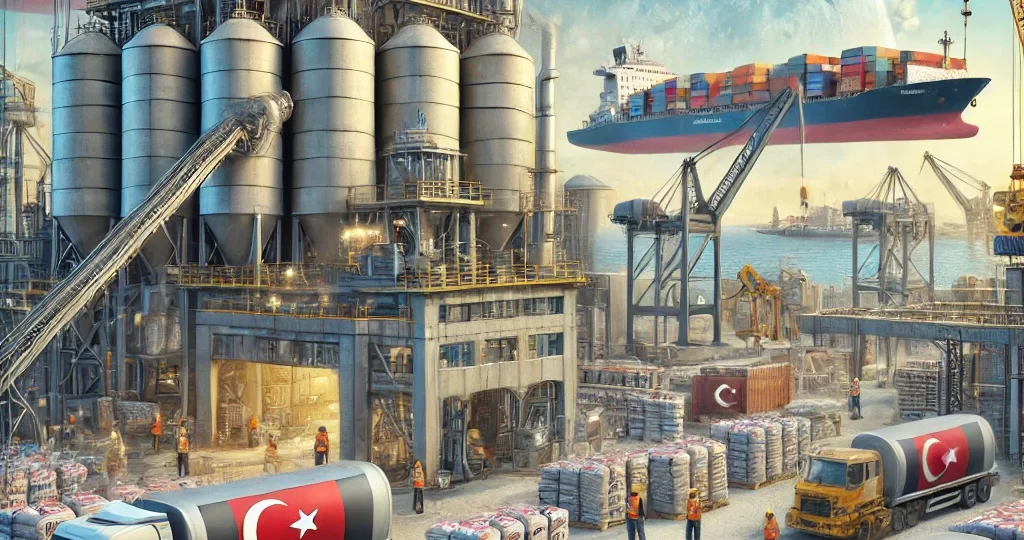
Turkish Cement Manufacturers and Global Cement Export Overview
Overview of the Turkish Cement Industry
Turkey ranks among the leading cement producers in the world. Moreover, the country holds a strong position in global cement exports. Because Turkey sits between Europe, Asia, and the Middle East, manufacturers benefit from short shipping routes and flexible logistics. Therefore, Turkish cement remains competitive in many regions.
The Turkish cement industry produces more than 100 million tons per year. In addition, companies export a large share of this volume to international markets. As a result, the sector supports both domestic construction and global infrastructure projects. Furthermore, modern production plants and strict quality controls ensure stable product standards.
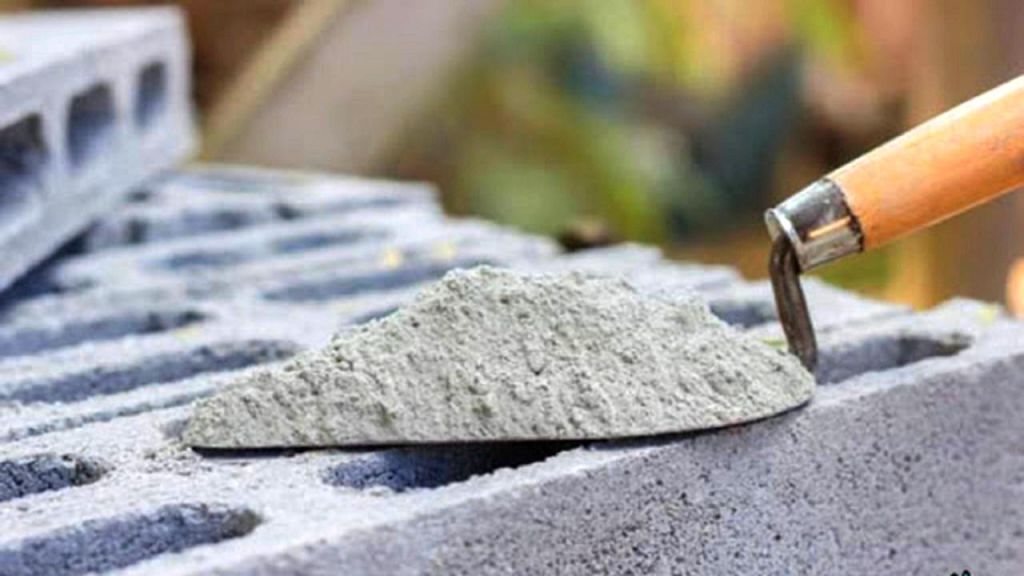
Types of Cement Produced in Turkey
Turkish manufacturers produce a wide range of cement types. Therefore, buyers can select products according to project needs. In addition, each cement type serves a specific construction purpose. As a result, engineers can match strength, durability, and sustainability targets more effectively.
| Cement Type | Description | Common Uses |
|---|---|---|
| Portland Cement CEM I | High strength and reliable performance | Infrastructure, bridges, buildings |
| Portland Composite Cement CEM II | Blended with limestone, fly ash, or slag | Residential and commercial projects |
| Blast Furnace Slag Cement CEM III | High durability and sulfate resistance | Marine and underground structures |
| Pozzolanic Cement CEM IV | Improved durability with pozzolanic materials | Dams, highways, sewage systems |
| Composite Cement CEM V | Enhanced sustainability performance | Large infrastructure works |
| White Cement | High brightness and smooth finish | Architectural and decorative use |
| Oil Well Cement | Resists high pressure and sulfate exposure | Oil and gas drilling |
| Aluminous Cement | Rapid hardening and heat resistance | Refractory and high temperature areas |
Major Cement Manufacturers in Turkey
Several large companies operate in the Turkish cement industry. Moreover, these firms maintain strong export capacity. Therefore, international buyers rely on stable supply and consistent quality.
| Company | Location | Annual Capacity Million Tons | Main Products | Annual Export Million Tons |
| OYAK Cement | Multiple Regions | 12.5 | CEM I, CEM II, White Cement | 3.8 |
| Çimsa Cement | Mersin, Eskişehir | 6.7 | White Cement, CEM I, CEM II | 2.5 |
| Akçansa Cement | Istanbul, Çanakkale | 8.2 | CEM I, CEM II, Oil Well Cement | 3.1 |
| Nuh Cement | Kocaeli | 5.0 | CEM I, CEM II, CEM V | 1.9 |
| Limak Cement | Diyarbakır, Şanlıurfa | 4.8 | CEM I, CEM II, Pozzolanic Cement | 1.7 |
Cement Export Destinations
Turkish cement exports reach many countries each year. In particular, the United States and Middle East markets show strong demand. Consequently, export volumes remain stable despite regional fluctuations.
| Country | Export Volume Million Tons |
| USA | 5.2 |
| Israel | 3.4 |
| Iraq | 2.9 |
| Romania | 2.1 |
| Libya | 1.8 |
The Role of ATABAŞ GLOBAL in Cement Exports
ATABAŞ GLOBAL connects Turkish cement manufacturers with global buyers. Moreover, the company manages logistics, documentation, and pricing strategy. Therefore, partners benefit from efficient shipment planning and transparent trade execution.
- Global Network: Strong links with producers and buyers.
- Logistics Management: Coordinated shipping and cost control.
- Custom Solutions: Bulk or packaged cement supply options.
- Quality Focus: Compliance with international standards.
As a result, ATABAŞ GLOBAL strengthens Turkey position in the global cement market. Furthermore, disciplined supply chain management improves reliability and long term cooperation.
Conclusion
The Turkish cement industry continues to expand production and export capacity. Therefore, global buyers view Turkey as a reliable source. Moreover, strong manufacturing standards and strategic geography support sustainable growth. Consequently, Turkish cement manufacturers and export partners remain key players in international construction markets.
