

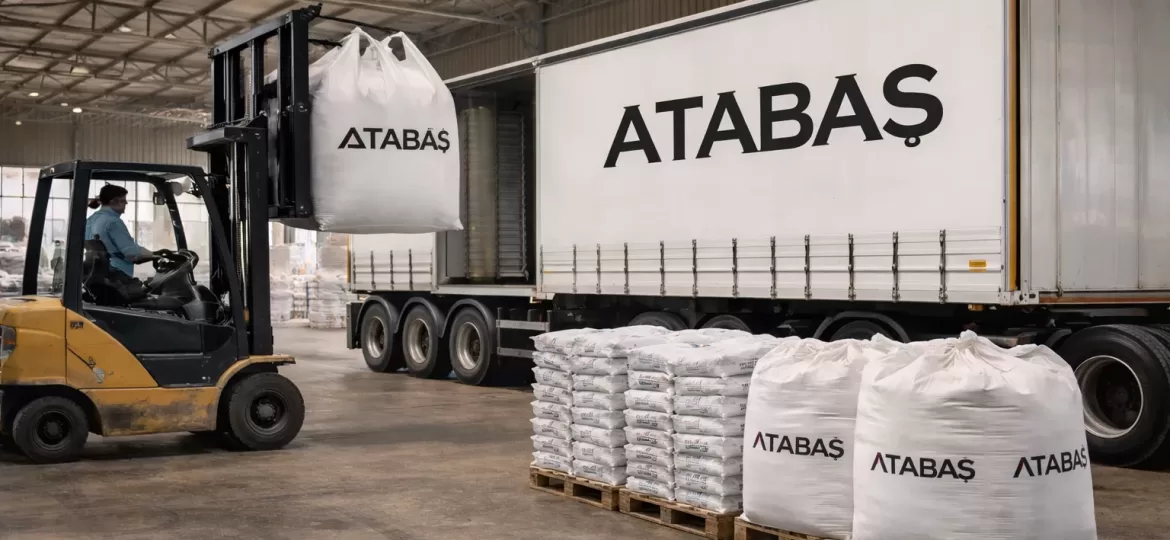
Modern agriculture is not only about seeds, soil, and water. It is also a high-precision industrial system powered by fertilizers, energy, and petrochemical feedstocks. Among all agricultural inputs, nitrogen and potassium fertilizers are among the most widely traded plant nutrients.
This article provides a clear and technical overview of the most demanded fertilizer products in global trade especially Urea 46% (N) and potassium-based fertilizers including specifications, quality parameters, applications, logistics, and common commercial structures.
Why Fertilizers Are Closely Linked to Petrochemicals
Fertilizers are often perceived as “agricultural products,” but many of them are deeply connected to petrochemical and energy markets:
- Urea production depends on ammonia, which is produced mainly from natural gas.
- Potassium fertilizers (potash) depend on mining, industrial processing, and energy-intensive logistics.
- The global fertilizer market reacts quickly to changes in:
- Natural gas prices
- Shipping costs
- Sanctions and export controls
- Seasonal agricultural demand
In short: fertilizers behave like agricultural commodities, but they are priced like petrochemical derivatives.
1) Urea 46% (Nitrogen Fertilizer) – The Global Benchmark
What Is Urea 46?
Urea 46 is the world’s most traded nitrogen fertilizer. It contains 46% nitrogen (N), making it one of the highest nitrogen-density fertilizers available.
It is used for:
- cereals (wheat, corn, barley)
- rice
- sugarcane
- cotton
- horticulture
Typical Technical Specifications (Commercial Grade)
Below are the most common parameters requested in international trade:
Urea 46% – Standard Specification
- Nitrogen (N): 46.0% min
- Moisture: 0.5% max
- Biuret: 1.0% max (often 0.9% max for premium)
- Granulation: Granular or Prilled
- Particle Size:
- 2–4 mm: 90% min (granular standard)
- Free Ammonia: 160 ppm max (typical requirement)
- Appearance: white, free flowing
- Packing:
- Bulk
- 50 kg bags
- 500/1000 kg jumbo bags
Trade Tip:
For many buyers, the key quality differentiator is not only nitrogen—
it is biuret, granule strength, and moisture stability.
Granular vs Prilled Urea: What Buyers Really Need to Know
Granular Urea
- Larger particles
- Better for blending and mechanical spreading
- Lower dust
- Preferred for long-distance shipping
Prilled Urea
- Smaller, lighter particles
- Dissolves faster
- Often cheaper
- More dust, more caking risk in humid climates
For CIF destinations in tropical regions (Indonesia, Malaysia, Vietnam), granular urea is typically safer due to storage stability.
Key Risk Parameters in Urea Trade
When evaluating urea offers, professional buyers focus on:
- Biuret level (high biuret can harm seedlings)
- Moisture & anti-caking
- Bagging quality (especially for long storage)
- SGS/Intertek inspection scope
- Origin & compliance (sanctions, export documentation)
2) Potassium Fertilizers (Potash Products) – Specifications and Trade
Potassium fertilizers are critical for:
- water regulation inside plants
Potash fertilizers are especially important for:
- fruits & vegetables
- potatoes
- sugar beet
- citrus
- bananas
- oil crops
Main Potash Fertilizer Types in International Trade
A) Potassium Chloride (MOP – KCl)
MOP stands for Muriate of Potash and it is the most widely used potassium fertilizer globally.
Typical Specification
- K₂O: 60% min (standard grade)
- Moisture: 0.5% max
- NaCl: typically low to medium depending on origin
- Color: red, pink, or white
- Packing: bulk / 50 kg / jumbo
Best Use
- cereals
- corn
- cotton
- sugarcane
- many broad-acre crops
Limitations
MOP contains chloride. Some crops are chloride-sensitive:
- tobacco
- some fruits
- certain vegetables
B) Potassium Sulfate (SOP – K₂SO₄)
SOP is considered a premium potassium fertilizer because it is chloride-free and provides sulfur as well.
Typical Specification
- K₂O: 50–52% min
- S: 17–18% min
- Moisture: 0.5% max
- Chloride (Cl): 1.5% max (premium often < 1.0%)
- Appearance: white crystals or granular
Best Use
- fruits
- vegetables
- tobacco
- potatoes
- high-value crops
C) NPK Fertilizers (Compound Blends)
NPK products combine:
- Nitrogen (N)
- Phosphorus (P₂O₅)
- Potassium (K₂O)
Common grades:
- 15-15-15
- 20-20-0
- 12-12-17+2MgO
- 10-26-26
NPK fertilizers are heavily dependent on:
- blending quality
- granule uniformity
- nutrient consistency
D) Potassium Nitrate (KNO₃)
A premium fertilizer used mainly in:
- greenhouse agriculture
- fertigation
- high-precision horticulture
Typical Specification
- K₂O: 46% min
- N: 13% min
- Chloride: 0.02% max (very low)
3) Fertilizer Quality Control: What Independent Inspection Usually Covers
In professional fertilizer trading, independent inspection is standard—especially when:
- payment is under LC
- CIF deliveries are involved
- large tonnages are shipped
Common inspection providers:
- SGS
- Bureau Veritas
- Intertek
- Control Union
Inspection scope typically includes:
- sampling at loading
- lab analysis
- weight control / draft survey
- packaging check
- sealing and documentation
4) Commercial & Logistics Reality: Why Terms Matter More Than Price
A fertilizer deal is not only about “USD/MT”.
For Urea and Potash, buyers and sellers must align on:
- Incoterms: FOB / CFR / CIF / DAP
- Shipment schedule: monthly, split lots, partial shipments
- Port restrictions: draft limits, bagging facilities
- Payment structure: TT / CAD / LC / DLC
- Sanctions & compliance: origin restrictions, banking acceptability
In high-volume fertilizer trades, payment structure can be the real deal-breaker, not the price.
5) The Most Requested Fertilizer Products (Quick List for Buyers)
If you are sourcing for agriculture, these are the most demanded commodity fertilizer products globally:
Nitrogen Fertilizers
- Urea 46% Granular
- Urea 46% Prilled
- Ammonium Nitrate (AN)
- Calcium Ammonium Nitrate (CAN)
- Ammonium Sulfate (AS)
Potassium Fertilizers
- MOP 60% (KCl)
- SOP 50–52% (K₂SO₄)
- Potassium Nitrate (KNO₃)
Compound Fertilizers
- NPK 15-15-15
- NPK 20-20-0
- NPK 12-12-17+2MgO
6) How to Buy Urea 46 or Potash Safely (Real Trade Checklist)
Before accepting any offer, professional buyers verify:
- product specs + lab certificate
- origin & export compliance
- inspection and sampling procedure
- packing method (bulk/bags)
- vessel readiness and laycan
- seller capability (past shipments)
- banking acceptability (LC bank risk)
This is especially important in markets where fake offers and broker chains are common.
Conclusion: Fertilizers Are Agricultural Inputs, Priced Like Energy
Urea and potash fertilizers sit at the intersection of agriculture and petrochemicals. Their production depends on energy, their logistics are heavy-industrial, and their trade requires strict compliance and inspection discipline.
For serious buyers, the winning strategy is simple:
- buy technically correct product
- under safe payment terms
- with independent inspection
- from reliable supply channels
Need a Professional Urea 46 or Potash Offer?
If you are a verified buyer and require:
- Urea 46 Granular
- MOP 60
- SOP 52
- NPK Fertilizers
…you should always request:
- full specification
- inspection terms (SGS/BV/Intertek)
- packing and shipment schedule
- and a compliance-ready commercial structure
