Introduction: Why HMS Scrap Still Drives the Steel Industry
HMS 1 and HMS 2 scrap remain some of the most traded and demanded ferrous scrap grades in the world. Steelmakers rely on these materials because they deliver fast melting performance, stable furnace feeding, and practical cost control. As a result, many mills use HMS scrap as a core raw material in electric arc furnace (EAF) steel production.
At ATABAŞ GRUP Dış Ticaret Limited Şirketi, we approach Scrap Import Export supply as a professional steelmaking service, not a simple cargo deal. Therefore, we support our clients with consistent grading knowledge, clear loading standards, and disciplined trade execution. In addition, we focus on reliable sourcing routes so buyers can plan production without stress.
What Is HMS 1 and HMS 2 Scrap?
HMS stands for Heavy Melting Scrap. In global trade, buyers often purchase it as a mixed grade called:
- HMS 1&2 (80:20)
This mix usually means:
- 80% HMS 1
- 20% HMS 2
In practice, mills choose this grade because it offers a balanced combination of thickness, melt speed, and supply availability.
HMS scrap is widely used for:
- EAF steelmaking
- Rebar production
- Billet-based steel lines
- General melting operations where chemical precision is handled during refining
What Is Rail Scrap (Railway Scrap)?
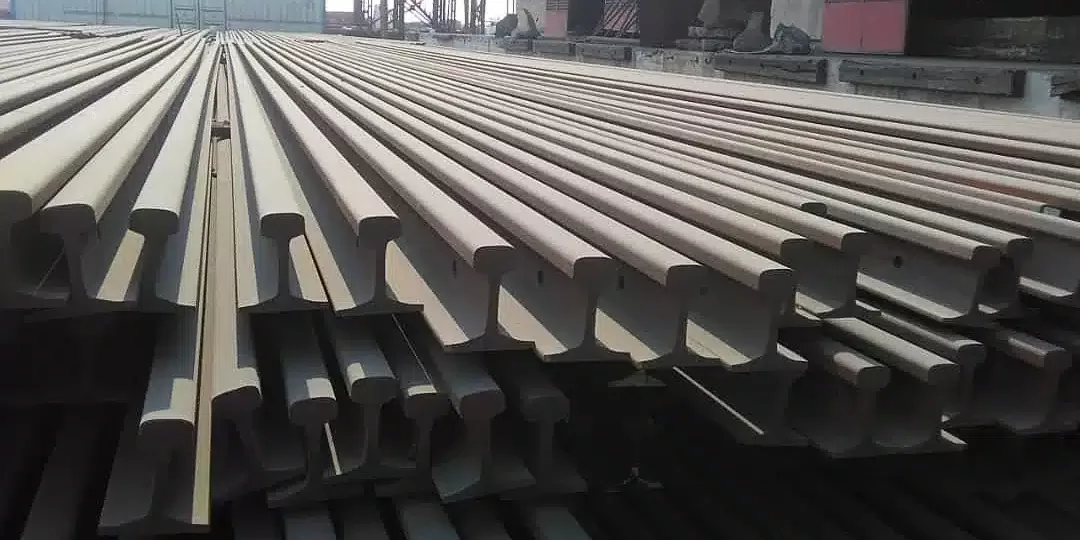
Rail scrap (also called railway scrap or rail steel scrap) comes from dismantled rail tracks and related steel components. Compared to mixed HMS, rail scrap Import Export often offers a heavier and more uniform section, which can support strong furnace charging behavior.
However, mills still evaluate each lot carefully because cutting size, surface condition, and contamination levels can vary by source.
Global Ferrous Scrap Supply: Where Scrap Comes From
Scrap supply does not depend only on mining or extraction. Instead, scrap originates from industrial and consumer recycling cycles such as:
- obsolete steel collection,
- demolition scrap,
- manufacturing off-cuts,
- and end-of-life steel products.
Because of that, the strongest scrap-exporting countries often have:
- high steel consumption,
- strong recycling systems,
- stable collection networks,
- and efficient ports.
Global Scrap Supply by Country (Estimated Volumes)
Public reporting usually tracks ferrous scrap under broader categories such as iron and steel scrap. For that reason, the table below gives a clear trade-friendly overview based on widely referenced country scale and market activity.
Estimated Global Scrap Supply / Export Activity by Country
| Rank | Country / Region | Market Role in Ferrous Scrap Trade | Supply Strength (General) |
|---|---|---|---|
| 1 | United States | Major exporter to Turkey and global buyers | Very strong |
| 2 | European Union (EU) | Large collection base and regional supply | Very strong |
| 3 | United Kingdom | Steady exporter with mature recycling | Strong |
| 4 | Netherlands | Key hub for scrap processing and shipment | Strong |
| 5 | Belgium | Active exporter and trade gateway | Strong |
| 6 | Russia (varies by season/policy) | Large scrap base, shifting availability | Medium to strong |
| 7 | Japan | High-quality recycling structure | Medium |
| 8 | India | Large scrap market with mixed export profiles | Medium |
| 9 | UAE / Gulf traders | Regional redistribution and trading flows | Medium |
| 10 | Germany | Strong industrial scrap generation | Strong |
✅ This structure fits real sourcing logic because scrap flows follow collection + logistics power, not only production.
HMS 1 / HMS 2 Scrap Specifications (Buyer-Friendly Table)
Professional buyers check HMS scrap by practical physical rules rather than chemistry alone. Therefore, correct grading matters as much as price.
Below is a clear specification table that matches common market expectations.
HMS 1, HMS 2 and HMS 1&2 (80:20) Typical Specifications
| Specification Item | HMS 1 (Typical) | HMS 2 (Typical) | Why It Matters |
|---|---|---|---|
| Material type | Wrought iron and/or steel scrap | Mixed heavy steel scrap | Defines melting behavior |
| Thickness | Generally heavier and cleaner | More flexible mix | Controls yield and melt speed |
| Non-metal impurities | Low, typically controlled | Slightly higher tolerance | Reduces slag and losses |
| Oversized pieces | Limited by charging box size | Limited by charging box size | Improves furnace feeding |
| Common traded mix | Often part of 80:20 blend | Often part of 80:20 blend | Creates stable cargo structure |
| Typical trade format | Bulk vessel / containers | Bulk vessel / containers | Impacts delivery planning |
For HMS 1&2 (80:20), many market descriptions align with ISRI-related guidance and “80/20 mix” practice.
Rail Scrap Specifications (Practical Trading View)
| Specification Item | Rail Scrap (Typical) | Why It Matters |
|---|---|---|
| Source | Dismantled rail tracks | Supports heavy melting input |
| Section | Heavy and dense | Increases charging stability |
| Preparation | Cut to furnace-friendly size | Supports safe charging |
| Contamination | Must stay low | Protects furnace efficiency |
| Loading form | Bulk shipment (common) | Improves unit cost logistics |
In addition, buyers often ask for clear cutting length limits and loading photos. As a result, they reduce claims and improve acceptance at discharge.
Turkey Scrap Market: Why It Matters Globally
Turkey plays a central role in the ferrous scrap market because its steel industry consumes large scrap volumes. Turkish mills use imported scrap to support EAF production and stable steel output. Therefore, Turkey Scrap Import Export influences both regional prices and global shipping flows.
Turkey Ferrous Scrap Imports (2023): Volume Overview
Trade statistics for ferrous waste and scrap (iron or steel, not elsewhere specified) show Turkey imported:
- 18,669,700,000 kg in 2023
- This equals approximately 18.67 million tons
As a result, Turkey remains one of the world’s most important scrap import markets.
Turkey’s Major Scrap Suppliers (2023)
Turkey’s 2023 import sources include several major suppliers. For example, the leading partners include:
- United States
- Netherlands
- Belgium
- United Kingdom
- Denmark
In other words, Turkey secures supply mainly from regions with strong collection systems and efficient ports.
Market Benchmark: Scrap Pricing Reference for Turkey
Many global market participants track Turkey’s Scrap Import Export scrap market as a benchmark. For example, the London Metal Exchange provides a steel scrap CFR Turkey reference based on Platts pricing methodology.
Therefore, Turkey linked price direction often influences negotiation levels across other importing regions.
How Steel Mills Choose Between HMS Scrap and Rail Scrap
Buyers usually compare scrap grades based on melt efficiency, yield, and stability. At the same time, they manage cost and availability.
Here is a practical comparison:
HMS 1 / HMS 2 (80:20) Works Best When:
- the mill wants steady bulk cargo availability,
- the buyer needs flexible blending,
- the furnace supports mixed scrap charging,
- the supplier can maintain impurity limits.
Rail Scrap Works Best When:
- the buyer wants heavy and dense material,
- charging stability matters,
- preparation and cutting stay consistent,
- contamination control stays strict.
However, scrap performance always depends on real cargo preparation. That is why professional inspection and correct documentation matter.
How ATABAŞ GRUP Manages Scrap Supply Professionally
Scrap trading succeeds when supply, quality, and delivery work together. Therefore, we support customers with a disciplined method instead of a “quick deal” approach.
At ATABAŞ GRUP, we focus on:
- Grade clarity from the start
We confirm cargo type, mix ratio, and preparation standards before loading. - Practical quality control
We request and verify loading visuals and impurity control steps. - Strong trade documentation
We manage trade flow with clean paperwork and clear contract terms. - Stable shipment planning
We align shipment timing with the buyer’s production needs.
As a result, our customers receive predictable supply and smoother plant planning.
Conclusion: HMS 1, HMS 2 and Rail Scrap Remain Core Steel Inputs
HMS 1, HMS 2, and rail scrap support global steelmaking because they combine strong availability with practical melting value. Moreover, Turkey’s strong import market keeps these materials at the center of global scrap trade.
At ATABAŞ GRUP, we help industrial buyers secure reliable scrap supply with professional execution, clear grading discipline, and strong commercial coordination. In conclusion, we deliver more than scrap we deliver confidence in supply.