

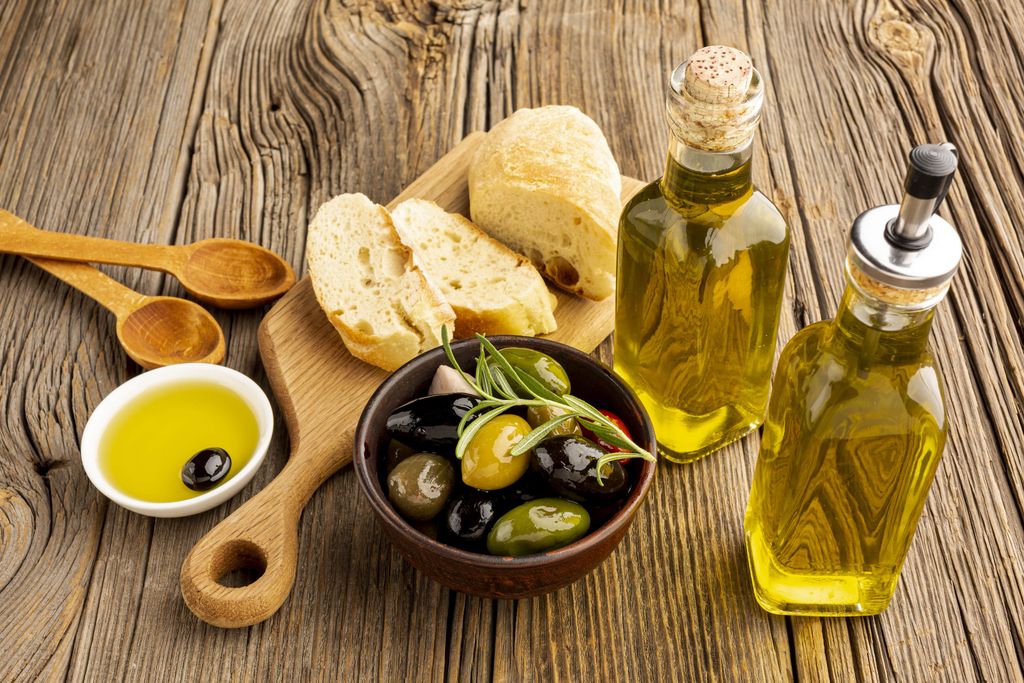
Olive oil is one of the most widely recognized edible oils in Mediterranean cuisine and international food markets. Its distinctive composition, culinary versatility, and range of quality grades make it useful for households, restaurants, food manufacturers, wholesalers, and importers.
Producers extract the oil from olives, the fruit of Olea europaea. However, the final product can vary significantly. Olive variety, harvest maturity, fruit condition, extraction methods, storage, and packaging all influence quality.
This guide explains the main types, nutritional characteristics, production process, technical specifications, cooking applications, storage requirements, and purchasing considerations. It also compares the product with soybean oil and provides practical guidance for commercial buyers.
1. What Is Olive Oil?
Olive oil is an edible vegetable oil obtained from olives. Unlike many common seed oils, producers can create virgin grades through mechanical or other permitted physical processes without conventional refining.
The product has a long history in Mediterranean food culture. Today, people use it throughout the world for salads, marinades, sauces, dips, pasta, vegetables, baking, roasting, and many cooked dishes.
Food manufacturers also use it in dressings, spreads, preserved vegetables, bakery products, ready meals, sauces, and specialty foods.
The term covers several commercial categories rather than one uniform product. Extra virgin, virgin, refined, blended, and pomace-derived products have different characteristics and applications.
Quality also varies within individual categories. Cultivar, climate, harvest timing, processing speed, temperature control, oxygen exposure, storage, and packaging can influence flavor and stability.
Consumers should therefore choose according to intended use rather than appearance alone. Commercial buyers need to consider additional factors such as specifications, traceability, consistency, documentation, regulatory requirements, and available packaging formats.
2. What Are the Main Types?
The market includes several categories, and each one offers different characteristics.
Extra Virgin Olive Oil (EVOO): Producers make EVOO directly from olives through mechanical or other permitted physical processes. It must satisfy the applicable chemical and sensory criteria for its category. EVOO often provides a noticeable fruity, bitter, or peppery character.
Virgin Olive Oil: Producers also make this grade mechanically. However, its characteristics differ from those required for extra virgin classification.
Refined Olive Oil: Refining corrects undesirable characteristics in oils that require further processing. The resulting product generally has a milder sensory profile.
Olive Oil: Depending on the applicable market definition, products sold under this category commonly combine refined oil with virgin grades.
Olive Pomace Oil: Producers derive this category from the material that remains after the primary extraction process. Additional processing and refining make it suitable for its intended edible applications.
Buyers should always confirm the exact commercial category. Product names, quality requirements, and labeling rules can differ across markets.
3. Key Benefits and Nutritional Characteristics
Olive oil contains mainly fat and provides a high proportion of monounsaturated fatty acids. Oleic acid usually represents its dominant fatty acid.
Extra virgin varieties also contain naturally occurring minor components, including phenolic compounds and vitamin E. Their concentrations vary according to olive cultivar, growing conditions, maturity, extraction, freshness, and storage.
This fatty acid profile makes the product a popular source of unsaturated fat in Mediterranean-style eating patterns.
It also offers significant culinary versatility. Consumers can use the same ingredient for dressings, marinades, cooking, roasting, sauces, and finishing dishes.
Extra virgin grades provide another advantage: sensory character. Depending on variety and production style, an EVOO may offer fruity, grassy, herbal, green, bitter, or peppery notes.
Like all edible oils, this product contains a substantial amount of energy. Consumers should consider portion size and overall dietary balance.
No single ingredient guarantees a healthy diet. The value of this oil comes from how people use it within a varied and balanced eating pattern.
4. What Makes Extra Virgin Different?
Extra virgin olive oil represents a specific virgin category with defined production and quality requirements.
Producers start with fresh olives and use mechanical or other permitted physical processes to extract the oil. Conventional refining does not form part of EVOO production.
Fruit quality has a major influence on the finished product. Harvest timing, fruit condition, transportation speed, cleanliness, processing temperature, oxygen exposure, and storage can all affect quality.
EVOO also stands out because of its aroma and flavor.
Some varieties create delicate, sweet, or mildly fruity oils. Others produce intense grassy, herbal, bitter, or peppery characteristics. Cultivar, geography, climate, maturity, and extraction conditions help shape these differences.
A bitter taste or peppery sensation does not automatically indicate a defect. These attributes can form part of the natural profile of a fresh, well-made product.
Consumers often choose EVOO when they want the oil itself to contribute flavor to salads, bread, vegetables, pasta, sauces, dips, or finished dishes.
5. How Is It Made?
Production begins in the olive grove. Growers select the harvest period according to variety, fruit maturity, desired sensory profile, yield, and production objectives.
After harvesting, producers transport the fruit to the mill. Prompt handling helps preserve quality.
The main production stages usually include:
- Harvesting the fruit.
- Removing leaves and foreign material.
- Washing the olives.
- Crushing them into a paste.
- Malaxing the paste.
- Separating oil from water and solids.
- Filtering or settling when appropriate.
- Storing the finished product.
- Packaging it for distribution.
Modern mills commonly use centrifugal separation systems.
Good production requires more than efficient extraction. Producers must manage cleanliness, processing time, temperature, oxygen exposure, equipment condition, and storage.
After extraction, careful handling becomes equally important. Suitable storage tanks and packaging help limit unnecessary contact with light, heat, oxygen, and contaminants.
Each stage can influence aroma, flavor, stability, and shelf life. Strong quality control therefore starts with the fruit and continues until the finished product reaches its buyer.
6. How Can You Recognize a Quality Product?
Consumers should evaluate several factors rather than relying on one visual clue.
Start with the category. Extra virgin, virgin, refined, and other grades have different production methods and quality requirements.
For EVOO, aroma and flavor provide useful information. Depending on variety and style, a fresh product may show fruity, grassy, herbal, green, bitter, or peppery characteristics.
Color tells you much less. Both green and golden oils can offer excellent quality. Olive variety, maturity, pigments, filtration, and storage all influence appearance.
Packaging also matters. Light, oxygen, and excessive heat can accelerate deterioration. Containers that offer suitable protection help maintain quality during distribution and storage.
Commercial buyers should review documentation as well. Depending on the transaction, they may request:
- Product specifications
- Certificate of Analysis
- Batch information
- Traceability records
- Origin documentation
- Quality certifications
- Food-safety documentation
- Packaging specifications
For significant purchases, representative samples and independent laboratory analysis can provide additional verification.
7. Technical Specifications and Quality Parameters
Professional buyers use technical specifications to compare products and establish purchasing requirements.
Exact values depend on grade, supplier, applicable standard, destination market, and individual batch. The following table provides general reference information rather than contractual acceptance limits.
| Parameter | Typical Reference or Description |
|---|---|
| Product | Olive Oil |
| Botanical Source | Olea europaea |
| Category | Edible Vegetable Oil |
| Main Fatty Acid | Oleic acid (C18:1) |
| Oleic Acid | Commonly about 55–83% |
| Palmitic Acid | Commonly about 7.5–20% |
| Linoleic Acid | Commonly about 2.5–21% |
| Stearic Acid | Commonly about 0.5–5% |
| Appearance | Liquid under suitable storage conditions; natural variation may occur |
| Color | Green to golden yellow |
| Aroma and Flavor | Vary according to grade, cultivar, origin, and processing |
| Free Acidity | Depends on category and applicable standard |
| Peroxide Value | Depends on category and applicable standard |
| Moisture / Volatile Matter | Controlled according to specification |
| Insoluble Impurities | Controlled according to specification |
| Packaging | Bottles, tins, drums, IBCs, flexitanks, or bulk |
| Storage | Protect from excessive heat, oxygen, light, and contamination |
| Shelf Life | Depends on grade, packaging, and storage |
| Documentation | Specification sheet and COA when required |
Commercial buyers should use current supplier specifications, contractual limits, applicable regulations, and batch-specific analytical results when making purchasing decisions.
8. Is It Suitable for Cooking and Frying?
Yes. Olive oil works in many heated applications, including sautéing, roasting, baking, pan cooking, and suitable frying processes.
Several factors determine performance during heating. These include initial quality, fatty acid composition, temperature, heating duration, food composition, oxygen exposure, and repeated use.
For this reason, consumers should not judge cooking performance through smoke point alone.
EVOO works particularly well when a recipe benefits from both cooking functionality and distinctive flavor. Cooks commonly use it with vegetables, sauces, fish, meat, pasta, and Mediterranean dishes.
A milder grade may suit recipes where a strong olive character would compete with other ingredients.
Commercial kitchens need more structured oil management. Operators should control cooking temperatures, monitor oil condition, remove food particles when appropriate, and replace deteriorated oil when necessary.
Food manufacturers should test the selected product under actual processing conditions. Large-scale frying, moderate heating, baking, and cold applications can require different technical characteristics.
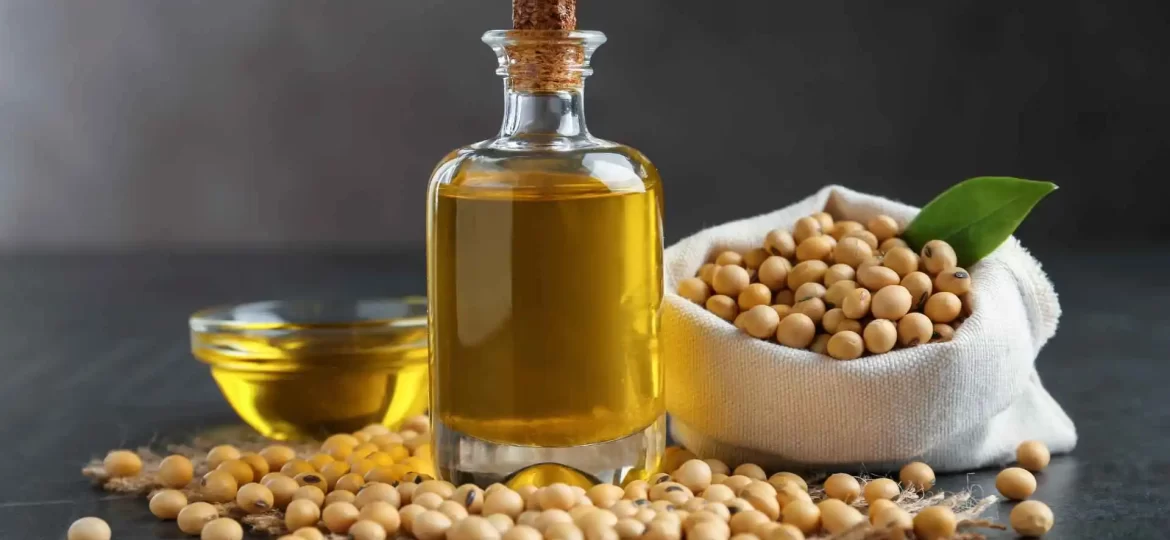
9. How Does It Compare With Soybean Oil?
Olive and soybean oils both serve important roles in food production, but they differ in raw material, fatty acid composition, flavor, and processing.
Producers obtain the first from olives. Manufacturers extract soybean oil from soybeans (Glycine max).
Their fatty acid profiles differ significantly. Olive-derived products generally contain a high proportion of monounsaturated oleic acid. Conventional soybean oil usually contains more polyunsaturated linoleic acid.
Flavor creates another clear distinction. EVOO can add fruity, grassy, bitter, herbal, or peppery notes to food. Refined soybean oil generally provides a milder and more neutral sensory profile.
Processing methods also differ. Producers can make extra virgin grades mechanically without conventional refining. Manufacturers commonly refine standard commercial soybean oil before selling it for retail or industrial applications.
Product developers should choose according to the final application.
A premium dressing may benefit from the distinctive character of EVOO. A manufacturer seeking a neutral flavor profile may prefer soybean oil.
Cost, availability, nutritional formulation, processing conditions, stability requirements, and market regulations also influence the final choice.
10. Storage and Handling Guidelines
Correct storage helps protect freshness, flavor, and stability.
Heat, light, and oxygen can accelerate deterioration. Consumers should keep containers properly closed and store them away from direct sunlight and strong heat sources.
Avoid placing bottles next to ovens, stovetops, radiators, or sunny windows.
Packaging can improve protection. Dark glass bottles and metal tins reduce light exposure. Other food-grade packaging formats can also work effectively when manufacturers design them for edible oils.
Package size matters as well. Consumers who use small quantities may benefit from buying smaller containers rather than keeping a large opened package for an extended period.
Commercial operations require additional controls. Businesses should follow supplier storage instructions and use clean, suitable food-grade tanks, pumps, pipes, and transfer systems for bulk handling.
Good inventory management also supports product quality. Businesses should track batches, monitor packaging condition, record delivery dates, and rotate stock systematically.
These practices reduce unnecessary exposure and help maintain consistent quality throughout storage and distribution.
11. Shelf Life and Freshness
Edible oils change gradually during storage. They do not maintain peak aroma and flavor indefinitely.
Oxidation plays an important role in this process. Temperature, light, oxygen exposure, initial product quality, processing, packaging, and storage practices influence how quickly deterioration occurs.
Therefore, no single shelf-life period accurately describes every product.
Consumers should check the manufacturer’s best-before date and follow the storage instructions on the package.
After opening, close the container securely after each use. Store it away from excessive heat and direct light. Choosing a package size that matches normal consumption can also help reduce prolonged exposure after opening.
Freshness matters particularly for extra virgin grades because aroma and flavor form an important part of their value.
Commercial buyers should define acceptable remaining shelf life before purchasing large quantities. They should also track batch numbers and delivery dates.
A reliable stock-rotation system helps wholesalers, retailers, restaurants, and manufacturers use older compliant inventory before newer deliveries.
12. How Do You Choose the Right Olive Oil?
The right olive oil depends on how you plan to use it.
Choose extra virgin varieties when aroma and flavor matter. They work particularly well in salads, dressings, dips, bread, pasta, vegetables, marinades, sauces, and finishing applications.
For heated cooking, consider both flavor and process conditions. A robust EVOO can complement Mediterranean recipes, while a milder product may suit dishes where other ingredients should dominate.
Next, check the label and available product information. Look for the category, origin when relevant, package size, best-before information, and useful traceability details.
Do not use color as your primary selection criterion. Green does not automatically indicate superior quality, and golden tones do not indicate inferior quality.
Price also needs context. Olive variety, harvest conditions, origin, production methods, packaging, certifications, logistics, and market conditions can all affect cost.
Instead of searching for one universally “best” product, choose a grade and sensory profile that match your intended application, quality expectations, and budget.
13. Choosing a Reliable Supplier
Commercial buyers need a structured supplier evaluation process.
First, define the required grade and intended application. A premium retail EVOO and a bulk ingredient for food manufacturing involve different specifications, packaging, and commercial expectations.
Then evaluate the supplier against clear criteria:
- Product category
- Technical specification
- Quality consistency
- Batch traceability
- Country of origin
- Certificate of Analysis requirements
- Food-safety systems
- Relevant certifications
- Packaging options
- Private-label capabilities
- Minimum order quantity
- Production capacity
- Lead time
- Export experience
- Logistics options
- Destination-market compliance
Buyers should establish documentation and testing requirements before confirming an order.
Representative samples can help companies evaluate sensory characteristics and application suitability. Large or strategically important purchases may also justify independent testing or inspection.
Price should form only one part of the comparison. Inconsistent quality, inadequate documentation, unsuitable packaging, short remaining shelf life, or unreliable logistics can increase the true cost of procurement.
14. Bulk Purchasing Checklist
Bulk olive oil procurement works best when buyers define technical and commercial requirements before requesting final quotations.
Start by identifying the exact grade, intended application, required quantity, and destination.
A purchasing specification should address:
- Product category
- Intended use
- Technical quality requirements
- Required quantity
- Origin requirements
- Batch traceability
- Certificate of Analysis
- Representative samples
- Packaging format
- Minimum remaining shelf life
- Food-safety requirements
- Labeling requirements
- Delivery schedule
- Shipping documents
- Incoterms
- Inspection procedures
- Claims and rejection procedures
Packaging options may include bottles, tins, drums, IBCs, flexitanks, or other bulk systems. The right format depends on order volume, transportation method, storage infrastructure, and final use.
Buyers should compare total commercial value rather than focusing only on the quoted price per liter or kilogram.
Product quality, packaging, freight, insurance, documentation, payment terms, testing, inspection, and delivery conditions can all affect landed cost.
Clear purchasing criteria also make competing offers easier to compare and reduce the risk of disputes after delivery.
15. Frequently Asked Questions
What is olive oil made from?
Producers make it from olives, the fruit of Olea europaea. They separate the oil from the fruit through mechanical or physical processes for virgin grades.
What is extra virgin olive oil?
EVOO is a specific virgin category that must meet applicable production, chemical, and sensory requirements.
Which type works best for salads?
Extra virgin varieties often work best when consumers want a distinctive aroma and flavor in salads, dressings, dips, and finishing applications.
Can you cook with olive oil?
Yes. It works for sautéing, roasting, baking, pan cooking, and many other heated applications.
Can you heat EVOO?
Yes. Cooks can use EVOO in many heated applications. Oil quality, temperature, cooking time, and food composition all influence performance.
What does a quality EVOO taste like?
Its profile can include fruity, grassy, herbal, green, bitter, or peppery characteristics. Variety, origin, harvest timing, and production methods influence flavor.
Does color indicate quality?
No. Green and golden oils can both offer excellent quality. Cultivar, maturity, natural pigments, filtration, and storage influence color.
What is the main fatty acid in olive oil?
Oleic acid generally represents the largest proportion of its fatty acid profile.
How should you store an opened bottle?
Close the bottle properly and keep it away from direct light and excessive heat.
How does it differ from soybean oil?
The olive-derived product generally contains more monounsaturated oleic acid, while conventional soybean oil usually contains more polyunsaturated linoleic acid. Their sensory profiles and common processing methods also differ.
What should professional buyers request from suppliers?
Depending on the transaction, buyers should request technical specifications, traceability information, packaging details, a Certificate of Analysis when required, and relevant quality or food-safety documentation.
What matters when buying in bulk?
Buyers should compare grade, specifications, quality consistency, documentation, origin, packaging, remaining shelf life, logistics, regulatory compliance, and total landed cost.
