

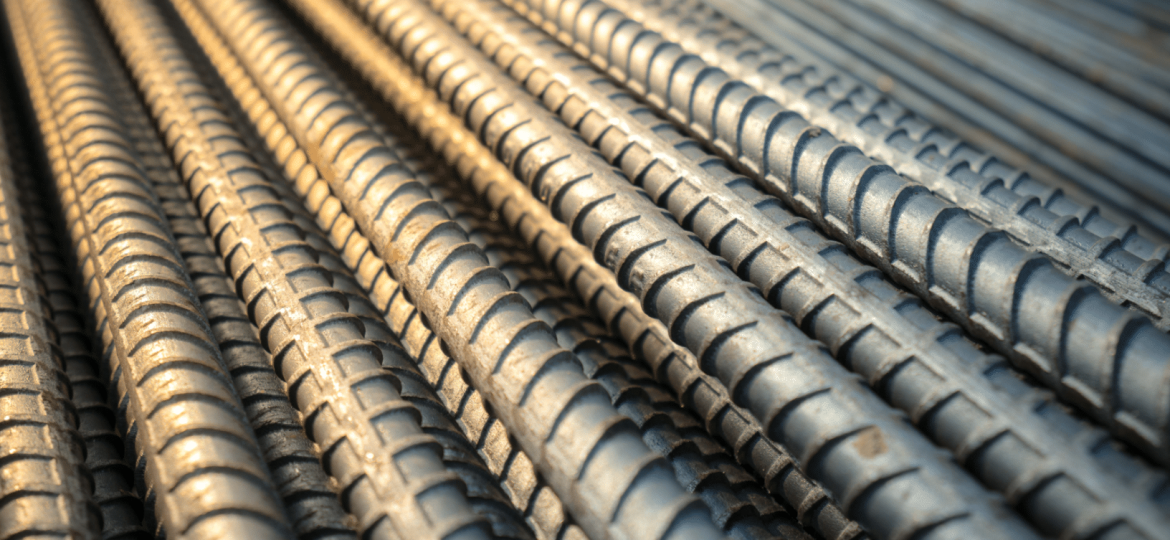
Reinforcing steel rebar is one of the most important materials in modern construction. It strengthens concrete structures and helps them resist tensile forces. Therefore, contractors use steel rebar in buildings, bridges, foundations, roads, tunnels, industrial facilities and major infrastructure projects.
However, choosing the right rebar requires more than comparing prices. Buyers also need to consider the steel grade, standard, diameter, length, mechanical properties and required documents. In addition, international projects may have specific rules for testing, packing and delivery.
ATABAŞ supplies construction materials for international projects and includes reinforcing steel within its structural product portfolio.
What Is Reinforcing Steel Rebar?
Reinforcing steel rebar is a steel bar used inside concrete structures. Concrete offers excellent compressive strength. However, it needs reinforcement to perform effectively where tensile forces occur.
Steel rebar provides this reinforcement.
Most construction projects use deformed or ribbed steel bars. The ribs on the surface help create a strong bond between the steel and surrounding concrete. As a result, concrete and steel work together as one structural system.
Reinforcing steel commonly supports:
- Foundations and footings
- Columns and beams
- Concrete slabs
- Bridges and viaducts
- Roads and tunnels
- Industrial buildings
- Energy projects
- Infrastructure works
Therefore, reinforcing steel remains a core material for both standard construction and large-scale engineering projects.
Reinforcing Steel Rebar Grades and Standards
Construction projects around the world use different rebar standards. The required standard usually depends on the project design, destination country and engineering specification.
Common standards include EN 10080, BS 4449, DIN 488 and ASTM A615/A615M.
ASTM currently lists ASTM A615/A615M-26 as its active specification for deformed and plain carbon-steel bars for concrete reinforcement.
ATABAŞ also lists B500B, B500C, ASTM Grade 60 and ASTM Grade 80 among the reinforcing steel products on its Construction Materials page.
| Grade / Standard | Yield Strength Reference | Common Use |
|---|---|---|
| B500B | 500 MPa | General reinforced concrete construction |
| B500C | 500 MPa | Projects requiring B500C properties |
| ASTM A615 Grade 60 | 420 MPa | ASTM-based construction projects |
| ASTM A615 Grade 80 | 550 MPa | Higher-strength ASTM-based projects |
Although some grades may have similar strength values, buyers should not treat them as automatic substitutes. Each standard may define different requirements for strength, ductility, chemistry, dimensions and testing.
Therefore, buyers should always state the exact required standard and grade in their RFQ.
Why Is Reinforcing Steel Used in Concrete?
Concrete performs very well under compression. Steel, on the other hand, helps the structure resist tensile forces.
For this reason, engineers combine steel reinforcement with concrete.
The result is reinforced concrete, which supports a wide range of structural applications. Moreover, engineers can select different bar diameters, grades and reinforcement layouts according to the required structural performance.
The design engineer determines the correct rebar arrangement for each project. Therefore, procurement teams should follow the approved drawings and technical specifications when ordering material.
Reinforcing Steel Rebar Specifications
A clear technical specification helps buyers receive accurate quotations and suitable material.
The required dimensions and grades vary by project. Nevertheless, a professional rebar inquiry normally includes the following information:
| Specification | Required Information |
|---|---|
| Product | Reinforcing Steel Rebar |
| Type | Deformed / Ribbed Bar |
| Standard | EN, BS, DIN, ASTM or project standard |
| Grade | B500B, B500C, ASTM Grade 60, Grade 80 or specified grade |
| Diameter | According to project requirement |
| Length | According to project requirement |
| Quantity | Metric tons |
| Mechanical Properties | According to specified standard |
| Documentation | According to contract requirements |
| Packing | Bundles or agreed packing |
| Destination | Port, city and country |
| Delivery Term | According to agreed Incoterm |
In addition, buyers should identify any special inspection or testing requirements before ordering.
This information allows the supplier to review the inquiry on a clear technical basis.
Common Applications of Steel Rebar
Reinforcing steel supports almost every major segment of concrete construction.
For example, residential projects use rebar in foundations, columns, beams and floor slabs. Meanwhile, infrastructure projects require large quantities of reinforcement for bridges, tunnels and other heavy concrete structures.
| Sector | Typical Rebar Applications |
|---|---|
| Residential Construction | Foundations, columns, beams and slabs |
| Commercial Construction | Structural concrete systems |
| Industrial Construction | Heavy foundations and reinforced structures |
| Infrastructure | Bridges, roads, tunnels and viaducts |
| Energy | Foundations and concrete structures |
| Transportation | Terminals, tunnels and related infrastructure |
However, these applications provide only general examples. Engineers must determine the final reinforcement design according to the project requirements.
How to Choose the Right Reinforcing Steel Rebar
First, identify the required standard. Next, confirm the steel grade, diameter and bar length.
After that, review the required quantity and documentation.
Buyers should also check whether the project requires specific tests, inspections or certificates. Moreover, destination requirements can affect documentation and logistics.
A complete rebar inquiry should normally state the standard, grade, diameter, length, quantity, destination and delivery term.
For orders with several diameters, buyers should provide the required tonnage for each diameter separately. As a result, suppliers can prepare clearer technical and commercial offers.
Quality and Testing Requirements
Quality control plays an important role in reinforcing steel procurement because rebar forms part of the structural system.
Depending on the applicable standard, testing may cover yield strength, tensile strength, elongation, bend performance, dimensions and chemical composition.
For ASTM-based projects, ASTM A615/A615M covers deformed and plain carbon-steel bars for concrete reinforcement. The active standard should always be checked when a project requires compliance with a specific edition.
Furthermore, buyers should clearly state any additional project-specific inspection requirements in their RFQ.
This approach reduces misunderstandings and helps ensure that the offered material matches the project specification.
Reinforcing Steel Rebar Supply from Turkey
Turkey has a large steel and construction materials sector. Its geographic position also supports trade with Europe, the Middle East, Africa and other international markets.
ATABAŞ lists reinforcing steel as part of its Construction Materials portfolio. The published product range includes B500B, B500C, ASTM Grade 60 and ASTM Grade 80 reinforcing bars.
In addition, the ATABAŞ Construction division lists reinforcement steel among its construction supply categories, including B500B and ASTM A615 Grade 60 rebar.
Buyers who need several construction products can also combine rebar inquiries with other structural and building material requirements.
International Rebar Supply and Logistics
International rebar procurement involves both technical and logistics planning.
Price per metric ton is important. However, it does not represent the entire supply process.
Total quantity, bar length, loading method, destination and delivery term can all affect logistics. Therefore, buyers should provide their complete delivery requirements when requesting a quotation.
For example, an international RFQ should clearly state the destination port or city and the preferred Incoterm.
This information helps the supplier evaluate the most suitable commercial and logistics basis for the project.
What Information Is Needed for a Rebar Quotation?
A detailed RFQ helps speed up the quotation process.
Before requesting a price, buyers should prepare the following information:
| RFQ Detail | Information to Provide |
|---|---|
| Standard | Required EN, BS, DIN, ASTM or other standard |
| Grade | Required steel grade |
| Diameter | Required diameter or diameter range |
| Length | Required bar length |
| Quantity | Metric tons by size |
| Documents | Required certificates and test reports |
| Inspection | Third-party or project inspection, if required |
| Destination | Port, city and country |
| Incoterm | EXW, FCA, FOB, CFR, CIF or other suitable term |
| Delivery Schedule | Required shipment period |
Providing these details from the beginning makes the purchasing process faster. In addition, it allows the supplier to identify technical differences before issuing a final commercial offer.
Frequently Asked Questions About Reinforcing Steel Rebar
What is reinforcing steel rebar?
Reinforcing steel rebar is a steel bar used to strengthen concrete structures. It helps reinforced concrete handle tensile forces and supports the structural design.
What is deformed steel rebar?
Deformed rebar has ribs on its surface. These ribs improve the bond between the reinforcing bar and surrounding concrete.
What is ASTM A615 rebar?
ASTM A615/A615M is a specification for deformed and plain carbon-steel bars for concrete reinforcement. ASTM currently identifies A615/A615M-26 as the active edition.
What is B500B rebar?
B500B is a reinforcing steel grade with a specified 500 MPa yield strength level. ATABAŞ lists B500B among its reinforcing steel product range.
What details should I provide for a rebar quotation?
Provide the required standard, grade, diameter, length, quantity, documents, destination and delivery term. Furthermore, include any special testing or inspection requirements.
Can one rebar grade replace another?
Not automatically. Different standards can have different mechanical, chemical and testing requirements. Therefore, any alternative grade should meet the engineering and project requirements before approval.
Reinforcing Steel Rebar Supply with ATABAŞ
ATABAŞ supports international buyers with construction material sourcing and project-based supply.
For reinforcing steel rebar requirements, buyers can send the complete technical specification, Bill of Quantities or material list for commercial evaluation.
Include the required standard, grade, diameter, length, quantity, documentation, destination and preferred Incoterm in your inquiry.
For projects that require several material categories, ATABAŞ can also evaluate reinforcing steel together with other construction material requirements.
Contact ATABAŞ to request a quotation for reinforcing steel rebar and international construction material supply.
