

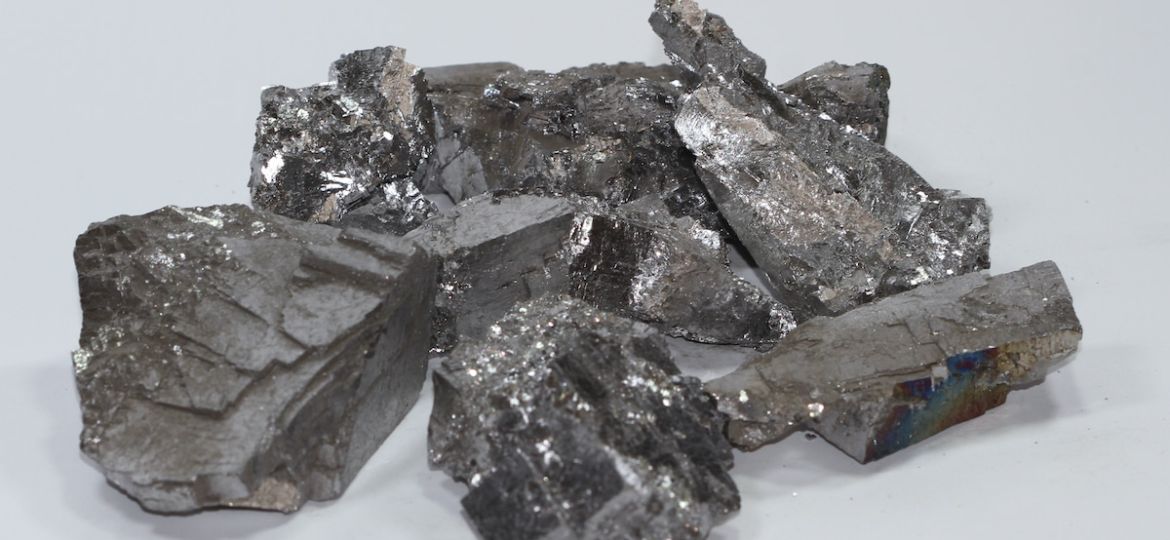
Ferrovanadium (FeV) Powering Modern Steel
Ferrovanadium plays an important role in modern steel production. Steelmakers use this iron and vanadium alloy to add vanadium to steel in a controlled way. Even a small amount of vanadium can improve the performance of certain steel grades.
However, buyers need to consider more than vanadium content. Grade, chemical composition, particle size, quality control, testing, packaging and shipping terms all matter. A good purchase also requires clear documents and reliable supply.
This guide explains Ferrovanadium (FeV) from both a technical and commercial point of view. It covers the material itself, its role in steelmaking and the main points that buyers should check before placing an order.
1. What Is Ferrovanadium (FeV)?
Ferrovanadium is an alloy that contains iron and vanadium. Steelmakers mainly use it as a source of vanadium during steel production.
The alloy gives producers a practical way to control the amount of vanadium in molten steel. As a result, manufacturers can adjust the final steel chemistry according to their production goals.
Ferrovanadium comes in several commercial grades. Each grade has its own vanadium range and limits for other elements. Therefore, buyers should not treat all ferrovanadium products as identical.
The required grade depends on the final use, steel chemistry and production process. Buyers should always confirm these details before they complete a purchase.
The international standard ISO 5451:2022 covers specifications and delivery conditions for ferrovanadium used in steelmaking and foundry work. Still, buyers and sellers can agree on additional requirements when a specific application needs tighter limits.
2. Why Vanadium Matters in Steelmaking
Vanadium can improve the performance of steel in several ways. It can support grain refinement and help increase strength under the right production conditions.
Steelmakers also use vanadium when they need certain levels of hardness, wear resistance or strength. These benefits make vanadium useful in many high-performance steel grades.
However, vanadium does not work alone.
Carbon, nitrogen and other alloying elements also affect the final result. Rolling temperature, cooling rate and heat treatment can further change steel properties.
For this reason, steelmakers calculate each vanadium addition according to the target steel grade. They do not simply add more vanadium to create a stronger product.
This controlled approach explains why Ferrovanadium (FeV) remains an important alloying material in modern steel production.
3. Main Ferrovanadium Grades
The global market offers ferrovanadium in different grades. FeV50 and FeV80 are among the better-known commercial forms. Buyers may also find other grades, depending on the producer and market.
The grade name usually gives an indication of the vanadium content. However, it does not describe the complete chemical composition.
For example, two suppliers may both offer FeV80. Yet their products may have different limits for carbon, silicon, aluminium, phosphorus or sulfur.
Therefore, buyers should compare full specifications instead of comparing only grade names.
The final choice depends on the customer’s steel process and technical needs. A higher vanadium content does not always make one material better than another. The best product is the one that matches the required chemistry and production conditions.
A clear specification also helps suppliers quote the correct material from the beginning. This saves time and reduces the risk of disputes later.
4. Chemical Composition and Quality
Vanadium content remains the main value factor in Ferrovanadium (FeV). Still, other elements can also affect quality and final use.
A typical laboratory analysis may check vanadium together with carbon, silicon, aluminium, phosphorus and sulfur. Depending on the contract, the buyer may request tests for other elements as well.
The acceptable limits depend on the required grade and the customer’s production needs.
For example, a steel producer with tight chemical limits may require stricter control of impurities. Another plant may accept wider limits for a different steel grade.
For this reason, buyers should avoid using one general specification for every order.
Instead, the buyer and seller should agree on the required chemistry before they sign the contract. The seller should then provide a Certificate of Analysis that matches the relevant lot or cargo.
This simple process creates a clear technical basis for the transaction.

5. FeV80 and High-Vanadium Grades
FeV80 is a widely recognized high-vanadium grade in international ferroalloy trade.
Its high vanadium level allows steelmakers to add a target amount of vanadium while using less total alloy material than they would need with a lower-grade product.
However, buyers should not assume that FeV80 always means exactly the same composition.
Different standards and commercial specifications can set different ranges and impurity limits. Therefore, the actual chemical analysis matters more than the product name alone.
Buyers should check the vanadium level and the limits for other relevant elements. They should also review particle size, lot consistency and test results.
This approach provides a much better picture of product quality.
In short, a high vanadium percentage adds value, but it does not replace full quality control.
6. How Producers Make Ferrovanadium
Ferrovanadium production starts with a source of vanadium. Producers may use different raw materials and process routes depending on the available feedstock and the target grade.
Vanadium oxides play an important role in the industry. Vanadium pentoxide, or V₂O₅, can serve as a raw material for high-grade ferrovanadium production.
Some producers use an aluminothermic process for high-vanadium grades. In this process, a chemical reaction reduces the vanadium oxide and helps form the alloy.
After the reaction, the producer separates the ferrovanadium from the slag. The material then cools and becomes solid.
Next, the producer can crush and screen the alloy to reach the required size. Quality teams take samples and test the material before shipment.
These steps help producers control chemistry, size and lot quality.
Good production control matters at every stage. A correct vanadium level alone cannot guarantee that the final product meets the buyer’s needs.
7. Size, Form and Physical Quality
Ferrovanadium often reaches the market in lump or crushed form. Steel plants may request different particle sizes according to their equipment and furnace process.
Particle size can affect storage, handling and furnace charging. It can also influence how the plant manages the material during production.
Very fine material may create handling problems in some operations. On the other hand, pieces that are too large may not suit certain charging systems.
Therefore, buyers should define the required size range in the purchase specification.
They may also agree on limits for oversized and undersized material. Clear limits help both parties understand the expected physical condition of the cargo.
Warehouses should also keep different grades and lots separate. Clear labels and lot numbers help maintain traceability.
These basic controls reduce the risk of mixing products and help protect quality throughout the supply chain.
8. Ferrovanadium in HSLA and Structural Steel
High-Strength Low-Alloy steel, or HSLA steel, represents an important use for vanadium.
Steel producers design HSLA grades to offer high strength while keeping the alloy system efficient. Vanadium can support this goal through grain refinement and other strengthening effects.
Construction, transport and infrastructure projects use HSLA steels in many forms. Applications can include structural sections, plates, vehicle parts and pipeline products.
Vanadium can help steelmakers reach target strength levels without relying only on large amounts of conventional alloying elements.
This makes Ferrovanadium (FeV) valuable even when a steel plant uses it in relatively small quantities.
The exact amount still depends on the steel grade and process. Producers must control the addition carefully to reach the required final chemistry.
Therefore, successful use requires both a suitable ferrovanadium grade and good steelmaking control.
9. Automotive, Tool, Pipeline and Engineering Uses
Vanadium also supports several other steel applications.
Tool steels can use vanadium when producers need good wear resistance, hardness and strength. These properties matter in tools that face repeated mechanical stress.
Automotive producers use high-strength steels in many parts of a vehicle. Stronger materials can help engineers reduce weight while maintaining the required performance.
Pipeline steel offers another important example. Pipeline producers need a careful balance between strength and toughness. Vanadium can form part of the alloy design for certain pipeline grades.
Engineering steels may also contain vanadium when machinery or industrial parts need higher mechanical performance.
However, every application requires its own alloy design.
A tool steel, structural steel and pipeline steel do not need the same chemistry. Buyers should therefore select ferrovanadium according to the final production target rather than the general industry name.
10. Sampling, Testing and Quality Control
Reliable testing starts with a good sample.
A laboratory can produce an accurate test result only when the sample represents the cargo or production lot correctly. For this reason, professional buyers pay close attention to sampling methods.
After sampling, the laboratory checks the required chemical elements. The producer or testing company can then issue a Certificate of Analysis.
The certificate should clearly relate to the material in the transaction.
For larger international orders, the parties may also choose an independent inspection company. The inspector can supervise sampling, testing, weighing or packing according to the contract.
Buyer and seller should agree on these steps before shipment.
They should also decide how they will handle any difference between test results. A clear contract can define the accepted laboratory, test method and final result.
This planning can prevent delays and disputes after the cargo reaches the port or buyer.
11. Standards and Technical Requirements
International standards help buyers and sellers create a common technical framework.
ISO 5451:2022, Ferrovanadium — Specification and conditions of delivery, covers ferrovanadium for steelmaking and foundry use.
However, an ISO standard does not remove the need for a clear purchase specification.
A steel plant may need tighter limits for a certain element. A buyer may also require a specific particle size, test method or inspection process.
Therefore, both parties should confirm the technical terms before they complete the contract.
The purchase documents should clearly state the required grade and chemistry. They should also cover size and any special quality conditions.
Then, the Certificate of Analysis should show the results for the relevant lot.
This creates a simple chain: the buyer defines the requirement, the supplier delivers the product, and the test documents show whether the material meets the agreed terms.
12. Packaging, Storage and Logistics
Good logistics protects both the product and the transaction.
Suppliers can use suitable bags, big bags, drums or other packing methods according to the customer’s needs and the shipping route. Buyer and seller should agree on the packing method before shipment.
Each package should carry clear identification when the contract requires it. Lot numbers and weight details can help the parties track the cargo.
Warehouses should keep the material clean and separate from other grades. They should also protect the packaging from damage.
International shipments require accurate documents. These may include the commercial invoice, packing list, transport document and Certificate of Origin when the transaction requires one.
The parties should also choose the correct Incoterm.
An Incoterm defines key delivery duties and costs between buyer and seller. For this reason, the selected term can have a major effect on the final price and logistics plan.
Good planning keeps the material, documents and shipment schedule aligned.
13. Ferrovanadium Price and Market Factors
The price of Ferrovanadium (FeV) changes with market conditions. There is no single fixed global price.
Vanadium supply and demand play a major role. Steel production levels can also affect demand because steelmaking remains the main market for ferrovanadium.
Raw material costs, energy prices and production expenses can influence offers as well. Regional supply conditions may create further differences between markets.
Product grade also matters. A buyer should not compare a high-vanadium product directly with a lower grade without considering contained vanadium and the full specification.
Freight can create another major cost. The distance between origin and destination, shipping method, insurance and port charges all affect the delivered value.
Payment terms and currency can also change the commercial result.
Therefore, buyers should compare offers on the same basis. They should check grade, chemistry, quantity, Incoterm, destination, packing, inspection and payment conditions before they compare the final price.
14. Safe International Sourcing and Risk Control
A successful ferrovanadium order needs both technical and commercial control.
First, the buyer should define the required product. The specification should cover grade, chemistry, size, quantity and any special test requirements.
Next, both parties should confirm the commercial terms. These include price, Incoterm, payment method, delivery schedule and inspection conditions.
Buyers should also verify the supplier and payment details before sending funds. If bank details change during a transaction, the buyer should confirm the new instructions through a trusted channel.
Documents must match the actual transaction. The invoice, packing list, analysis certificate and shipping documents should contain consistent information.
Third-party inspection can add another level of control when the contract requires it.
Clear communication remains just as important. Buyer, seller, inspector, laboratory, warehouse and logistics partners should understand their roles.
A structured process reduces mistakes and makes international trade easier to manage.
15. Choosing a Reliable Ferrovanadium Supply Partner
Price matters, but reliable sourcing requires much more than a low quotation.
A good supply partner should first understand the buyer’s technical needs. The parties should agree on grade, chemistry, particle size and quantity before they move forward.
The supplier or trading partner should also coordinate documents carefully. Test results, packing details, commercial documents and shipping information should match the agreed transaction.
Good communication can prevent many common problems. International ferroalloy deals often involve several parties across different countries. A delay in testing, documents, transport or payment can affect the whole shipment.
Therefore, buyers need a partner that can manage both product requirements and commercial coordination.
ATABAŞ supports buyers through the sourcing process by coordinating product requirements, commercial terms, inspection, documentation and international logistics.
When sourcing Ferrovanadium (FeV), buyers should focus on quality, traceability and clear terms rather than price alone. A well-planned order protects the supply chain and helps both parties complete the transaction with greater confidence.
For safe and professionally coordinated Ferrovanadium (FeV) orders, make sure to contact ATABAŞ.
