

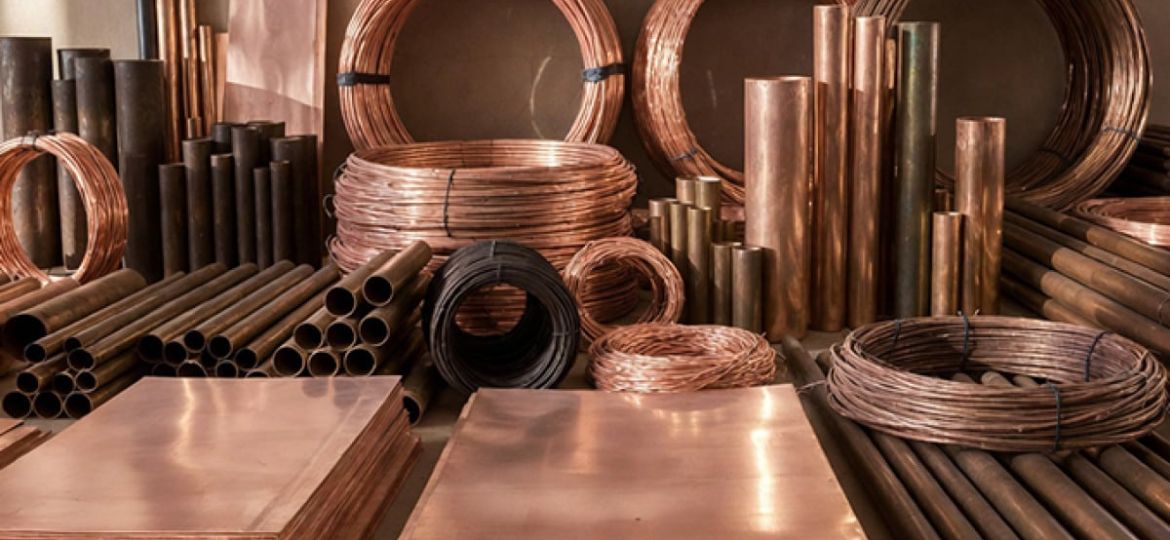
Copper is one of the world’s most important industrial metals. Its high electrical and thermal conductivity, corrosion resistance, ductility, and recyclability make it essential for electrical systems, construction, electronics, renewable energy, transportation, industrial machinery, and infrastructure.
The metal has served human industry for thousands of years, yet modern technology has made it even more important. Power grids need it to carry electricity. Motors and transformers depend on copper windings. Buildings use copper cables, pipes, and fittings. Electric vehicles, charging networks, solar installations, and many other energy systems also create significant demand.
For industrial buyers, however, purchasing copper requires more than checking a price per metric ton. Grade, purity, form, dimensions, standards, origin, inspection, documentation, delivery terms, and market pricing can all affect the final transaction.
Understanding these factors helps buyers choose material that meets both technical and commercial requirements.
1. What Is Copper and Why Is It Important?
Copper is a naturally occurring metallic element with the chemical symbol Cu and atomic number 29. Pure material has a distinctive reddish metallic appearance and combines several properties that are difficult to match with a single alternative metal.
Its electrical conductivity makes it particularly valuable. At the same time, the metal transfers heat efficiently, resists corrosion in many environments, and can be formed into wire, sheet, tube, bar, and numerous other products.
Manufacturers can also combine it with other elements to create useful alloys. Copper and zinc form brass, while copper and tin traditionally form bronze. Many other alloy systems exist for specialized engineering applications.
Another major advantage comes from recyclability. Manufacturers can recover and reuse the metal without losing the fundamental properties that make high-quality material valuable.
This combination of conductivity, durability, versatility, and recycling potential explains its long-standing role in global industry.
2. Key Physical and Chemical Properties
Copper offers a useful balance of physical, electrical, thermal, and mechanical characteristics.
Its atomic weight is approximately 63.546, while its density at room temperature is about 8.96 g/cm³. Pure copper melts at approximately 1,084.62°C and boils at around 2,562°C.
One of its defining features is high electrical conductivity. The International Annealed Copper Standard, commonly known as IACS, uses annealed copper as the reference point for electrical conductivity. High-conductivity commercial grades can achieve conductivity close to or above the conventional 100% IACS reference, depending on grade and condition.
The metal also conducts heat effectively. This property supports its use in heat exchangers, cooling systems, electrical equipment, and thermal-management applications.
Copper is both ductile and malleable. Manufacturers can draw it into very fine wire or form it into sheets, tubes, strips, bars, and complex components without sacrificing its basic metallic properties.
3. How Is Copper Produced?
Commercial production starts with copper-bearing ores. The processing route depends largely on the mineral composition of the deposit.
Producers commonly process sulfide ores through concentration, smelting, converting, and refining. Concentrators separate valuable copper minerals from much of the surrounding rock before the material moves to metallurgical processing.
Smelting and converting produce increasingly concentrated metal, while fire refining and electrorefining can bring the material to the high purity required for many industrial applications.
Some oxide ores and suitable low-grade resources follow hydrometallurgical routes instead. These processes can use leaching, solvent extraction, and electrowinning to recover refined metal.
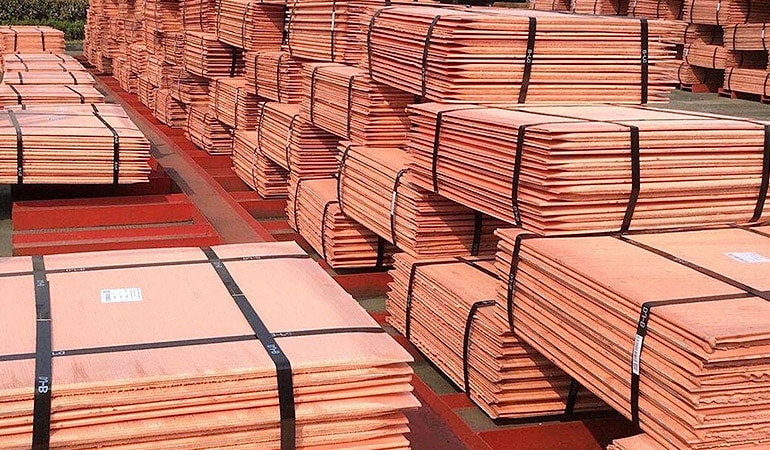
Electrorefining can produce copper cathodes with very high purity. These cathodes then serve as feedstock for rod mills, foundries, alloy producers, tube manufacturers, and other downstream operations.
The exact production route matters commercially because buyers may require a specific grade, origin, production method, or supporting documentation.
4. Copper Cathodes and Commercial Grades
Copper cathodes represent one of the most important forms in international refined-metal trade. Producers manufacture cathodes during electrolytic refining or electrowinning, and downstream companies use them as raw material for further processing.
High-grade cathode specifications commonly require very high copper purity. International trade often refers to standards and exchange specifications when defining acceptable quality.
The London Metal Exchange (LME), for example, maintains requirements for brands deliverable against its copper contract. LME Grade A copper follows defined chemical and physical requirements and represents an important reference in global refined copper trading.
Standards such as EN 1978 and ASTM B115 also provide recognized frameworks for cathode quality.
Buyers should never assume that the phrase “copper cathode” alone defines the exact quality. A professional purchase agreement should identify the required grade, applicable standard, brand or producer where necessary, and the inspection method.
5. Electrical and Electronics Applications
Electrical applications represent one of the metal’s most important end-use markets.
Copper combines high conductivity with ductility, which allows manufacturers to draw it into wire while maintaining excellent electrical performance. As a result, it appears extensively in power cables, building wiring, transformers, generators, motors, busbars, switchgear, connectors, printed circuit systems, and electronic equipment.
Electric motors depend heavily on conductive windings. Transformers also use substantial amounts of the metal to transfer electrical energy efficiently.
Power transmission and distribution infrastructure creates another major source of demand. Grid expansion requires conductors, cables, transformers, substations, and related equipment.
Electronics manufacturers value the material for more than conductivity. It can also provide useful thermal performance, helping components manage heat in demanding systems.
As electrification expands across transportation, industry, buildings, and energy infrastructure, electrical applications remain central to long-term copper demand.
6. Construction, Plumbing, and Infrastructure
The construction industry uses copper in electrical wiring, plumbing, roofing, architectural elements, heating systems, and mechanical installations.
Copper tubing has a long history in water distribution, heating, cooling, and other building services. Its corrosion resistance and ability to form durable joints make it useful in properly designed systems.
Electrical wiring represents another major application. Residential, commercial, and industrial buildings require large networks of cables and conductors to distribute power safely and efficiently.
Architects also use the metal for roofing, facades, gutters, and decorative features. Exposure to the atmosphere can gradually create a protective surface patina, giving architectural copper its characteristic appearance over time.
Infrastructure demand extends beyond individual buildings. Rail systems, telecommunications, power distribution, industrial facilities, and public infrastructure all require conductive materials and electrical equipment.
For buyers serving construction projects, product form and compliance with the relevant technical standard matter as much as raw-metal purity.
7. Copper in Renewable Energy and Electrification
The transition toward more electrified energy systems has increased the strategic importance of copper.
Solar and wind installations require cables, generators, transformers, grounding systems, connectors, and grid infrastructure. Energy generated at a renewable facility still needs efficient electrical equipment to move from the source to the end user.
Electric vehicles create another important application. Their motors, wiring, power electronics, charging connections, and battery-related electrical systems use conductive materials throughout the vehicle.
Charging infrastructure adds further demand because charging stations require electrical connections and often need supporting upgrades to local distribution networks.
Energy storage projects also connect to wider electrical systems through cables, transformers, switchgear, and power-conversion equipment.
The importance of copper therefore extends beyond any single green technology. Its larger role comes from the electrical infrastructure that connects generation, storage, transportation, industry, and consumption.
8. Technical Specifications Buyers Should Understand
Technical specifications vary according to product form and intended use. Cathodes, wire rod, tubes, sheets, strips, bars, and alloys cannot share one universal purchasing specification.
The following reference data describes fundamental properties and common commercial considerations rather than a contractual specification.
| Parameter | Reference Information |
|---|---|
| Product | Copper |
| Chemical Symbol | Cu |
| Atomic Number | 29 |
| Standard Atomic Weight | Approx. 63.546 |
| Density | Approx. 8.96 g/cm³ |
| Melting Point | Approx. 1,084.62°C |
| Boiling Point | Approx. 2,562°C |
| Appearance | Reddish metallic solid |
| Key Characteristic | High electrical and thermal conductivity |
| Common Refined Form | Copper cathode |
| Major Semi-Finished Forms | Wire rod, tube, sheet, strip, bar, and plate |
| Cathode Quality | Defined by applicable grade or standard |
| Electrical Conductivity | Grade and condition dependent |
| Inspection | According to contract and applicable standard |
| Documentation | Specification, COA/certificate, origin and shipping documents as required |
A buyer should use the exact producer specification and applicable product standard when setting contractual limits.
This becomes especially important for electrical products, where conductivity, oxygen content, dimensional tolerances, surface quality, and mechanical properties can affect manufacturing performance.
9. Copper Alloys: Brass, Bronze, and Specialized Materials
Pure copper does not meet every engineering requirement. Alloying allows manufacturers to modify strength, machinability, corrosion resistance, wear performance, and other characteristics.
Brass primarily combines copper with zinc. Manufacturers use various brass grades in valves, fittings, hardware, electrical components, machinery, decorative products, and many other applications.
Bronze traditionally refers to copper-tin alloys, although the broader bronze family includes several compositions designed for specific engineering requirements. Bronze materials can offer useful wear resistance, strength, and corrosion performance.
Other important alloy families include copper-nickel, aluminum bronze, silicon bronze, and specialized high-performance materials.
Copper-nickel alloys, for example, have established applications in marine environments and heat-transfer systems because selected grades provide strong resistance to seawater corrosion.
For procurement teams, the alloy designation matters. Ordering “copper alloy” without specifying composition, grade, standard, dimensions, and condition creates unnecessary technical and commercial risk.
10. Recycling and the Circular Copper Economy
Recycling plays a major role in the copper supply chain.
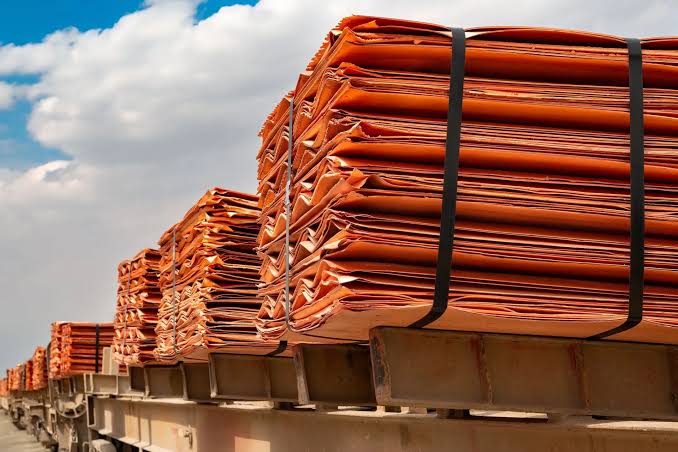
The metal can move through repeated recovery and reuse cycles while retaining the core properties that make it valuable. Scrap can return to smelters, refiners, foundries, and manufacturers as secondary raw material.
However, not all scrap has the same value.
Clean, well-sorted material with known composition generally offers different processing options from mixed or contaminated scrap. Buyers and recyclers therefore classify material according to composition, cleanliness, physical form, and recoverable metal content.
Recycling can reduce demand for primary raw-material extraction and recover valuable metal already circulating within the economy.
At the same time, growing global demand means recycled supply and primary mine production work together rather than functioning as simple substitutes.
For commercial buyers, recycled content can also become relevant to sustainability targets, customer requirements, traceability programs, and procurement policies.
11. How Copper Prices Work
Copper prices respond to a combination of global supply, demand, inventories, macroeconomic conditions, currencies, energy costs, and market expectations.
The London Metal Exchange serves as a major international reference for copper pricing. Physical transactions may use an LME-linked price with additional premiums or discounts that reflect product grade, location, brand, freight, financing, availability, and other commercial factors.
This means an exchange quotation does not automatically equal the buyer’s final delivered price.
A physical offer may include a regional premium, logistics cost, insurance, financing expense, inspection cost, or other adjustments depending on the agreed Incoterm and transaction structure.
Market participants also watch mine production, smelter activity, exchange inventories, manufacturing demand, construction activity, electrification trends, and disruptions at major production centers.
Professional buyers should therefore compare offers on the same delivery and quality basis rather than comparing headline numbers without context.
12. Quality Control, Inspection, and Documentation
Quality verification becomes particularly important in high-value metal transactions.
The first step is a clear contract. It should define the exact product, grade, quantity, applicable standard, tolerances, inspection requirements, delivery terms, and acceptance criteria.
Documentation requirements vary by transaction. Depending on the product and contract, buyers may request a Certificate of Analysis or inspection certificate, packing list, commercial invoice, certificate of origin, weight documentation, transport documents, and other relevant records.
Independent inspection companies can also verify weight, sampling, quality, loading, or other agreed parameters when the parties require third-party control.
Document authenticity deserves careful attention. Buyers should verify critical documents through appropriate channels rather than relying only on copies received from an unknown counterparty.
For refined cathode transactions, the producer, brand, quality standard, origin, and traceability can carry significant commercial importance.
Strong documentation does not replace due diligence, but it forms an essential part of a controlled procurement process.
13. How to Buy Copper Safely in International Trade
Copper attracts legitimate industrial demand, but its high value also makes careful counterparty verification essential.
Before entering a transaction, buyers should confirm who controls the material, where it is located, which company has authority to sell it, and whether the proposed commercial structure makes sense.
Payment terms require particular care. A professional transaction should use clearly defined banking, contractual, inspection, and document procedures that both parties understand before commitment.
Unusually large discounts deserve scrutiny. A price far below the normal market structure may signal differences in grade, location, commercial conditions, documentation, or transaction risk.
Buyers should also distinguish between a genuine seller, an authorized representative, a trader, and an intermediary chain. Long and unclear chains can make verification more difficult.
A secure transaction combines supplier due diligence, technical verification, clear contractual terms, appropriate inspection, reliable logistics, and a suitable payment structure.
14. Choosing Atabaş for Professional Copper Procurement
Industrial copper procurement requires coordination across product quality, pricing, documentation, logistics, inspection, and commercial risk.
Atabaş approaches international raw-material sourcing with these factors in mind. The objective is not simply to identify material but to help create a commercially clear purchasing process based on the buyer’s actual requirements.
A serious inquiry should state the required product form, grade, quantity, destination, applicable standard, preferred Incoterm, and delivery schedule. This information makes it possible to evaluate supply options on a meaningful basis.
For cathodes and other copper products, buyers should also communicate any specific requirements concerning origin, producer, purity, inspection, dimensions, packaging, or supporting documentation.
Buyers who want to place a secure and professionally coordinated copper order can contact Atabaş to discuss their required grade, quantity, destination, specifications, and delivery terms.
A successful copper transaction should combine competitive commercial conditions with verifiable quality, transparent documentation, dependable logistics, and clear responsibilities between the parties.
