

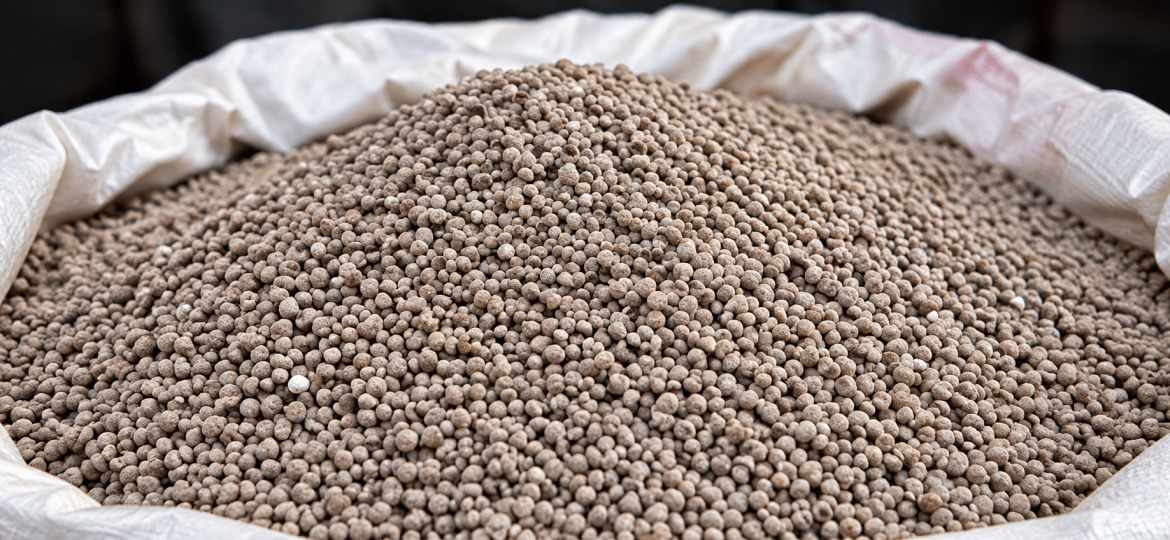
Diammonium Phosphate, also known as DAP, plays a major role in modern agriculture. Farmers around the world use it as a source of nitrogen and phosphorus. These two nutrients support many key stages of plant growth.
DAP also holds an important place in the global fertilizer market. Farmers, importers, exporters, distributors, and agricultural companies trade large volumes each year. For this reason, DAP has both agricultural and commercial value.
However, buyers need more than a basic product description. They need to understand its nutrient content, quality, uses, storage needs, price factors, and shipping terms. They should also know how DAP differs from other common fertilizers.
This guide explains Diammonium Phosphate in clear and simple terms. It covers the product from production to final use. It also explains the main points that buyers should check before placing a commercial order.
1. What Is Diammonium Phosphate?
Diammonium Phosphate is an ammonium phosphate compound. Its chemical formula is (NH₄)₂HPO₄. The fertilizer industry usually calls it DAP.
DAP supplies two important plant nutrients: nitrogen and phosphorus. Farmers need both nutrients for healthy plant growth. Nitrogen supports green growth and many plant functions. Phosphorus supports root growth, energy transfer, and crop development.
The fertilizer market commonly sells DAP as 18-46-0. This grade contains about 18% nitrogen and 46% phosphate as P₂O₅. The final zero means that standard DAP does not supply potassium as K₂O.
DAP usually comes in granular form. Granules make the product easier to store, transport, and apply with farm equipment.
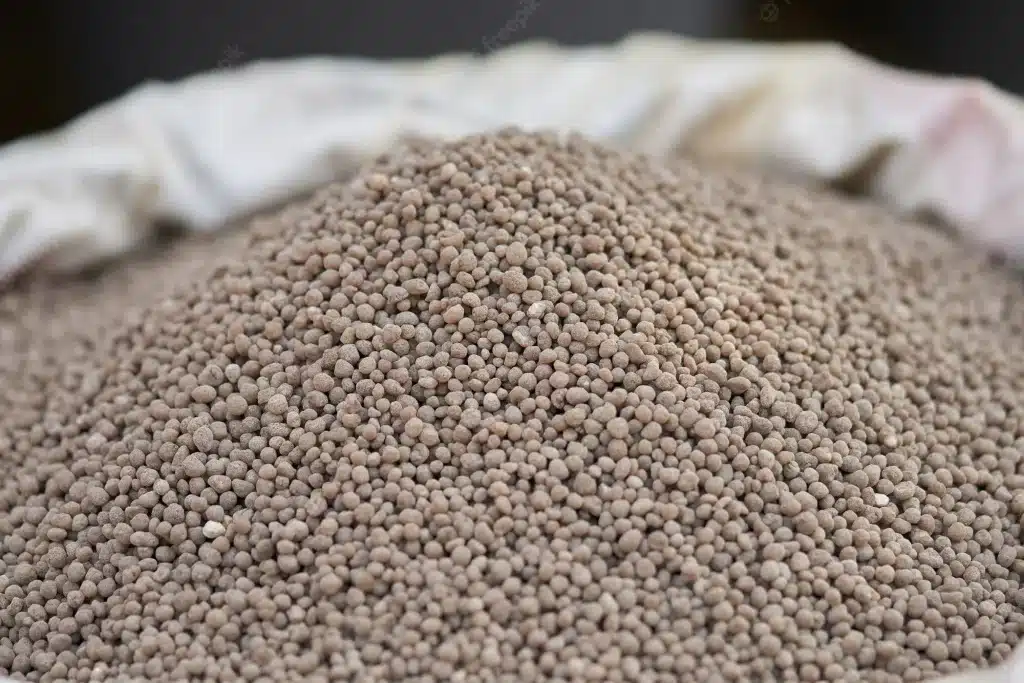
However, not every DAP product has the same physical quality. Its color, granule size, moisture level, and other features may vary. The source of raw materials and the production method can affect these features.
Commercial buyers should therefore check the product specification before placing an order.
2. Chemical Properties of Diammonium Phosphate
The chemical formula of Diammonium Phosphate is (NH₄)₂HPO₄. Its molar mass is about 132.06 g/mol.
The compound contains ammonium and hydrogen phosphate ions. This structure allows DAP to supply both nitrogen and phosphorus.
Commercial DAP normally comes as granules. Granular fertilizer works well in many farming systems because it flows through common fertilizer equipment.
DAP also dissolves in water. Once the granules meet moisture in the soil, they start to release nutrients. Plant roots can then access these nutrients under suitable soil conditions.
Several factors affect nutrient access after application. Soil pH, moisture, temperature, crop type, and root activity all play a role.
Buyers should also remember that color does not always show product quality. DAP can have different colors due to its raw materials and production process.
For commercial purchases, the technical specification gives much more useful information than appearance alone.
3. What Does DAP 18-46-0 Mean?
The numbers 18-46-0 show the N-P-K grade of DAP fertilizer.
The number 18 refers to nitrogen. The number 46 refers to phosphate as P₂O₅. The final zero refers to potassium as K₂O.
One point often causes confusion. DAP does not contain 46% pure elemental phosphorus. The 46% figure refers to phosphate measured as P₂O₅.
This difference matters when farmers compare fertilizer products. It also matters when buyers calculate nutrient value and cost.
Standard DAP therefore provides a high level of phosphate together with nitrogen. However, it does not provide potassium in its common 18-46-0 grade.
Farmers may need another fertilizer if their crops also need potassium. Soil tests can help them choose the right nutrient balance.
Commercial buyers should always confirm the exact grade with the supplier. A certificate of analysis can also provide more details about the product.
4. How Do Manufacturers Produce Diammonium Phosphate?
Manufacturers produce Diammonium Phosphate mainly by reacting phosphoric acid with ammonia.
The basic chemical reaction can be shown as:
H₃PO₄ + 2NH₃ → (NH₄)₂HPO₄
However, industrial DAP production involves several stages. Fertilizer plants carefully control the reaction and then form the material into granules.
They also dry, cool, and screen the product. These steps help create granules with the required size and physical strength.
Manufacturers can return particles that do not meet the required size to the production process. This helps them keep the final product more consistent.
Raw material quality also affects the final DAP. The production process can influence moisture, granule strength, size, and other features.
For this reason, buyers should not compare products by nutrient grade alone. Two products may both carry an 18-46-0 grade but still differ in physical quality.
Large buyers often check both chemical and physical data before they sign a supply contract.
5. Why Is Diammonium Phosphate Important for Agriculture?
Diammonium Phosphate gives crops two major nutrients in one fertilizer. This makes DAP useful in many crop nutrition programs.
Plants need nitrogen for many basic functions. Nitrogen helps plants produce proteins, amino acids, enzymes, and chlorophyll. It also supports green plant growth.
Phosphorus has a different role. It supports energy transfer inside plants and helps many growth processes. It also plays an important role in root development and crop growth.
Young plants often need good access to phosphorus during early growth. However, the correct amount depends on the soil and crop.
Farmers should not use DAP simply because it contains a high level of phosphate. They should first understand what the soil needs.
A soil test can show existing nutrient levels. Farmers can then build a better fertilizer plan around the needs of the crop.
This approach can also help control fertilizer costs. Applying nutrients that the crop does not need may waste money.
6. Which Crops Can Use DAP Fertilizer?
Farmers use DAP in many crop systems around the world. These include cereals, oilseeds, legumes, vegetables, and other field crops.
Wheat, barley, corn, cotton, sunflower, and canola are common examples. Farmers may also use DAP for other crops when the soil needs nitrogen and phosphorus.
However, crop type alone should not decide the fertilizer rate.
Two farms may grow the same crop but need very different fertilizer programs. Their soil pH, nutrient levels, climate, water supply, and yield targets may differ.
Previous crops can also affect nutrient needs. Soil type and farming methods can make another difference.
This is why there is no single DAP rate that works for every farm.
Farmers should use soil test results and local farming advice when they plan fertilizer use. This helps them match the fertilizer to the real needs of the crop.
7. How Does DAP Work in the Soil?
DAP starts to dissolve when its granules come into contact with soil moisture. This process releases nitrogen and phosphate into the area around each granule.
The soil then controls what happens to these nutrients.
Plants can use ammonium nitrogen, but soil processes can also change it into other nitrogen forms. Soil microbes play an important part in these changes.
Phosphorus behaves differently. It usually moves less freely through soil than nitrate nitrogen. Soil chemistry strongly affects its availability.
Soil pH is one important factor. Minerals in the soil can also react with phosphorus. These reactions can reduce the amount that plant roots can easily reach.
For this reason, fertilizer placement matters. Farmers want developing roots to have good access to the nutrients.
They should also avoid poor placement near seeds. High fertilizer levels close to seeds may cause problems under some conditions.
Good fertilizer planning combines the right product, rate, time, and placement method.
8. Main Benefits of DAP Fertilizer
One major benefit of DAP is its high nutrient content. It supplies nitrogen and a large amount of phosphate in one product.
This can make transport and storage more efficient. A concentrated fertilizer carries more nutrients in each metric ton.
Its granular form also supports easy handling. Farmers can use DAP with many common fertilizer spreaders and planting systems.
DAP also has a strong position in world fertilizer trade. Many buyers, distributors, and agricultural companies already know the 18-46-0 grade.
However, DAP also has limits.
Standard DAP does not supply potassium. Crops that need potassium may require another fertilizer.
Farmers should also avoid adding more phosphorus than the crop and soil need. Extra fertilizer increases costs and may create nutrient management problems.
DAP works best when farmers use it as part of a planned crop nutrition program.
9. DAP vs. MAP: What Is the Difference?
Farmers and fertilizer buyers often compare DAP with Monoammonium Phosphate, or MAP.
DAP has the formula (NH₄)₂HPO₄. MAP has the formula NH₄H₂PO₄.
Their common fertilizer grades also differ. DAP often comes as 18-46-0. MAP commonly comes in grades such as 11-52-0, although actual products can vary.
DAP therefore supplies more nitrogen in the common grades. MAP often has a higher P₂O₅ percentage.
This does not mean that one product is always better.
The best choice depends on soil conditions, crop needs, fertilizer placement, price, and local supply. Farmers should consider all these points before choosing between DAP and MAP.
Commercial buyers should also compare the cost of the nutrients they actually need. Price per metric ton alone may not show which product offers better value.
10. DAP vs. Urea: Which One Should Farmers Use?
DAP and urea have different roles in crop nutrition.
Urea mainly supplies nitrogen. DAP supplies both nitrogen and phosphorus.
A farmer who needs mainly nitrogen may choose a nitrogen-rich fertilizer such as urea. A farmer who needs both nitrogen and phosphorus may consider DAP.
However, soil test results should guide the final choice.
Farmers may also use several fertilizer types during the same growing season. Each product can serve a different purpose in the overall nutrient plan.
The key question is not whether DAP or urea is better. The real question is which nutrients the crop needs.
This simple approach can help farmers avoid unnecessary fertilizer costs.
11. Other Uses of Diammonium Phosphate
Agriculture represents the main market for Diammonium Phosphate, but some grades may also serve other uses.
Certain industries use ammonium phosphates in technical processes. Some applications include nutrient media, fermentation processes, and selected flame control products.
However, product grade matters.
Fertilizer-grade DAP does not automatically meet the standards for food, laboratory, or special industrial use. Each market may require different purity levels and documents.
Companies should therefore tell suppliers how they plan to use the product. The supplier can then confirm whether the available grade meets that need.
This step becomes even more important in international trade. Product grade may affect customs rules, documents, and local laws.
A clear product specification can prevent problems before shipment.
12. How Should Companies Store DAP?
Good storage helps protect the quality of Diammonium Phosphate.
Companies should keep the fertilizer in a dry and suitable storage area. They should protect it from too much moisture because moisture can affect the physical quality of the granules.
Poor storage may cause caking. It may also reduce product flow and make handling more difficult.
Warehouse teams should follow the manufacturer’s Safety Data Sheet and storage guidance. They must also follow local health, safety, and environmental rules.
Packaging should remain in good condition during storage. Workers should also use suitable handling methods to prevent damage and contamination.
Bulk storage needs careful management as well. Warehouse design, ventilation, loading equipment, and stock control can all affect product quality.
Good storage protects both the product and the buyer’s investment.
13. Diammonium Phosphate in Global Trade
Diammonium Phosphate has an active international market. Producers, traders, importers, distributors, shipping companies, and farmers all form part of its global supply chain.
Large DAP deals require clear commercial terms.
A buyer should state the exact product grade and required quantity. The buyer should also provide the destination and expected shipment period.
Packaging can affect both cost and logistics. Some buyers need bulk cargo, while others need bagged material. Local port and warehouse facilities may influence this choice.
Delivery terms also play an important role.
For example, an FOB offer does not cover the same costs as a CIF offer. Buyers must compare quotations on the same delivery basis.
Payment terms, inspection, documents, and shipment schedules also matter.
Professional buyers should check the supplier before they commit to a major order. They should verify company details, banking information, product documents, and contract terms.
Good checks can reduce commercial risk in international fertilizer transactions.
14. What Affects Diammonium Phosphate Prices?
The Diammonium Phosphate price changes with global market conditions. No single DAP price applies to every country, port, or buyer.
Raw material costs have a major effect on production costs. Phosphate inputs and ammonia play key roles in DAP production.
Energy costs can also affect the market. Ammonia production uses large amounts of energy, so changes in energy prices may influence fertilizer costs.
Supply and demand create further price changes. Major farming seasons can increase demand in large agricultural markets.
Government policies can also affect trade. Export rules, import duties, tariffs, and other measures may change global supply flows.
Freight is another major factor. Ocean shipping costs can change the final price paid by an importer.
Order size, packaging, origin, destination, and payment terms can also affect a commercial offer.
For this reason, buyers should compare the total delivered cost. They should not focus only on the price per metric ton at the loading point.
15. How to Buy Diammonium Phosphate
Companies that want to buy Diammonium Phosphate should first define their exact needs.
A clear request helps suppliers prepare a more accurate offer. The buyer should state the grade, quantity, destination, delivery term, shipment period, and packaging type.
The buyer should also check the technical data. Nutrient content, moisture, granule size, origin, and physical quality may all matter.
Commercial terms need the same level of attention.
Buyers should understand when payment is due and which documents the seller will provide. They should also confirm who pays for freight, insurance, and other shipping costs.
The selected Incoterms® rule helps define many of these duties.
For large international orders, buyers should also carry out proper checks on the seller. A low price alone does not make an offer safe or suitable.
Product quality, shipping ability, payment security, documentation, and supplier reliability all affect the final value of a deal.
Companies that want to order Diammonium Phosphate can contact Atabaş Global for product information, commercial quotations, supply options, and international shipping solutions.
Conclusion
Diammonium Phosphate is one of the world’s key phosphate fertilizers. It supplies both nitrogen and phosphorus, which makes it useful in many crop nutrition programs.
The common 18-46-0 grade offers a high level of phosphate together with nitrogen. However, farmers should always match fertilizer use to soil and crop needs.
DAP also plays a major role in international fertilizer trade. Product quality, origin, freight, packaging, delivery terms, and market conditions can all affect a commercial purchase.
For farmers, successful DAP use starts with good nutrient planning. For buyers, a successful purchase starts with clear product and trade terms.
Price matters, but it should not stand alone. Buyers should also examine product quality, documents, logistics, supplier history, and payment terms.
Understanding these factors helps companies make better purchasing decisions and manage supply risks.
Companies, distributors, importers, and agricultural businesses that want to order Diammonium Phosphate can contact Atabaş Global for current supply information, commercial quotations, and international shipment options.
