

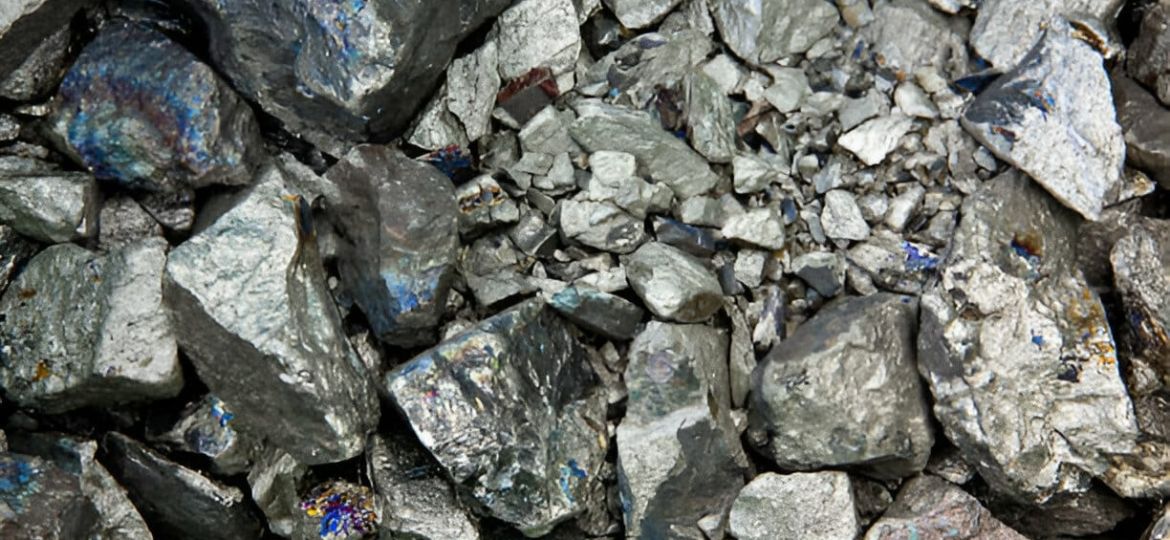
Ferro Nickel (FeNi), also known as ferronickel, is an important nickel source for modern steel production. Stainless steel producers use this iron-nickel alloy to control nickel levels in the melt and reach the chemistry required for specific steel grades. However, nickel content is only one part of the picture. Carbon, silicon, phosphorus, sulfur and other elements can also affect production. Physical form, stable chemistry and reliable quality control matter as well. This guide explains Ferro Nickel from production to final use and gives buyers, engineers and manufacturers the technical and commercial details they need to choose the right material.
1. What Is Ferro Nickel (FeNi)?
Ferro Nickel is an alloy that mainly contains nickel and iron. Its short name, FeNi, comes from the chemical symbols Fe for iron and Ni for nickel.
Steelmakers mainly use the alloy as a source of nickel. This makes it different from refined nickel metal. FeNi contains a large share of iron together with nickel, while refined nickel has a much higher nickel content.
The iron content is not simply an unwanted part of the product. In steelmaking, it can become part of the final steel because iron already forms the base of the melt.
Ferronickel does not have one fixed chemical formula. Its composition changes according to grade and production route. For example, internationally recognized nickel ranges extend from FeNi20 at 15% to below 25% Ni to FeNi70 at 60% to below 80% Ni.
Between these ranges, FeNi30 contains 25% to below 35% Ni, FeNi40 contains 35% to below 45% Ni, and FeNi50 contains 45% to below 60% Ni.
Therefore, the name of the grade provides a useful classification, but buyers should always check the actual nickel content of the material.
2. Chemical Composition of Ferro Nickel
Nickel provides the main alloying value of FeNi, while iron forms most of the remaining metallic content. Yet a full chemical analysis includes more than these two elements.
Carbon, silicon, phosphorus and sulfur deserve close attention. Chromium, cobalt and copper may also appear in the analysis.
The required limits depend on the application.
For carbon, ferronickel can fall into several ranges. Low-carbon material contains less than 0.030% C. Medium-carbon material starts at 0.030% and remains below 1.000% C. High-carbon material starts at 1.000% and remains below 2.500% C.
Silicon also has clear ranges. Low-silicon material contains less than 0.20% Si. Medium levels run from 0.20% to below 1.00%, while high levels run from 1.00% to below 4.00%.
These differences matter because the complete chemistry enters the steelmaking process. A steel producer must therefore consider how each element affects the target melt.
3. Ferro Nickel Grades and Quality
A higher nickel percentage does not automatically mean better Ferro Nickel.
The best grade is the one that matches the production process and target steel chemistry.
For example, a producer may need FeNi30 because its furnace charge already contains other nickel-bearing materials. Another plant may prefer a higher-nickel grade because it wants to introduce more nickel with less total FeNi mass.
Impurity control also affects grade selection.
Phosphorus may remain below 0.010% in a low-phosphorus class. The medium range starts at 0.010% and remains below 0.020%, while the high range starts at 0.020% and remains below 0.030%.
Sulfur follows a wider range. Low-sulfur material contains less than 0.030% S. Medium levels run from 0.030% to below 0.100%, while high levels run from 0.100% to below 0.400%.
Chromium may also require control. Depending on the relevant class, maximum Cr levels can sit at 0.10%, 0.50% or 2.0%.
As a result, two FeNi products with the same nickel content may perform differently in the same furnace.
4. How Is Ferro Nickel Produced?
Producers commonly make ferronickel from nickel-bearing laterite ores. Saprolite-rich laterites play an important role in conventional FeNi production.
The Rotary Kiln-Electric Furnace (RKEF) route is one of the main industrial methods.
First, the producer prepares and dries the ore. The process reduces moisture and prepares the material for high-temperature treatment.
Next, a rotary kiln heats the material and starts the reduction process. The material then enters an electric furnace.
High temperatures separate the molten metal from the slag. Nickel and part of the iron enter the metallic phase, while much of the unwanted mineral material moves into the slag.
After smelting, the producer can refine the molten alloy to adjust its chemistry. Refining can help control elements such as carbon, silicon, phosphorus and sulfur.
Finally, the plant prepares the metal in a form that suits transport, storage and furnace use.
Ore quality, plant design, energy source and refining methods can vary. For this reason, FeNi from different producers may have different chemical and physical features.
5. Physical and Metallurgical Properties of FeNi
Ferronickel is a metallic material with properties that depend on its exact composition.
For this reason, one density, melting point or mechanical value cannot accurately describe every FeNi grade.
Nickel content makes a major difference. Carbon and other elements can also change the behavior of the material.
In steelmaking, FeNi has one main job: it delivers nickel and iron into the molten metal.
Nickel can support toughness, ductility and formability in suitable steel grades. It also plays an important role in the structure of many stainless steels.
However, FeNi alone does not determine the properties of the final steel.
Chromium, carbon, molybdenum, manganese and other elements also matter. Heat treatment and production methods can further change the final result.
Therefore, engineers should evaluate ferronickel as part of the complete steel chemistry.
6. Ferro Nickel Ingots, Pieces and Shot
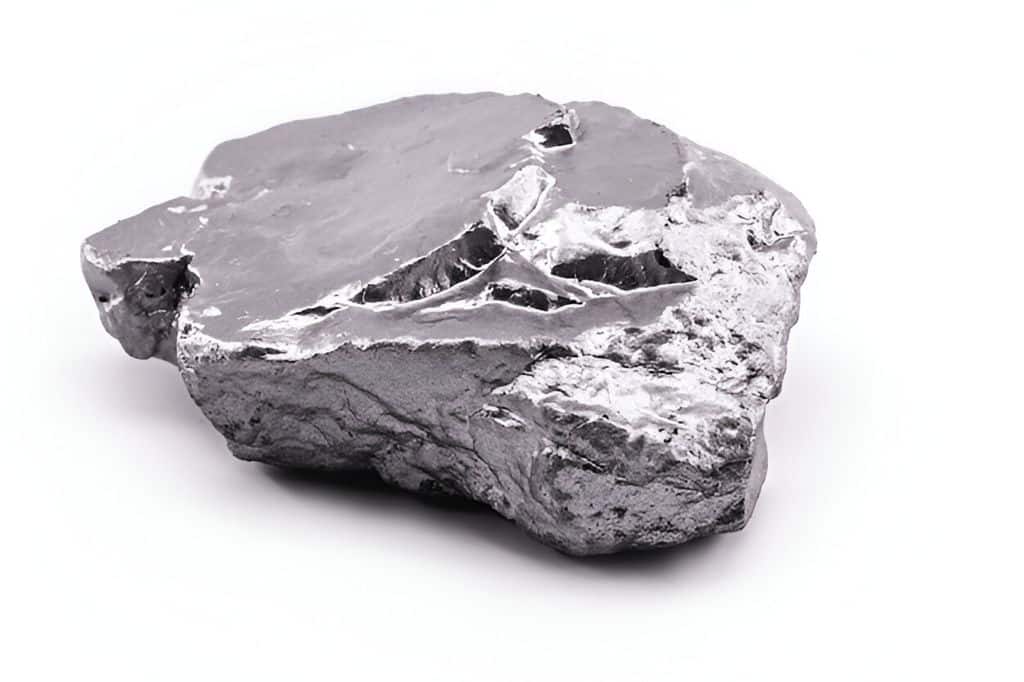
FeNi can reach customers in several physical forms. Common forms include ingots, pieces and shot.
Ingots provide large solid units for bulk transport and furnace charging. They suit operations that can handle larger pieces of metal.
Pieces offer smaller dimensions. They can make charging and handling easier for certain furnace systems.
Shot consists of much smaller units. Its size can help with weighing, blending and controlled additions.
Physical size can affect much more than transport.
It may influence storage, conveyor use, charging speed and material handling inside a steel plant. Therefore, buyers should agree on the required form and size before shipment.
7. Why Is Ferro Nickel Used in Stainless Steel?
Stainless steel production is the main market for ferronickel.
Nickel plays an important role in many stainless steel grades, especially austenitic grades. Together with chromium and other alloying elements, nickel helps create the required structure and performance.
It can support toughness, ductility and formability. It also contributes to the performance of stainless steels designed for corrosive conditions.
Ferronickel gives steelmakers a practical way to add nickel because its iron can also enter the steel.
However, plants cannot use one fixed FeNi addition for every heat.
They calculate the required amount from the actual nickel assay, existing furnace charge, target composition and expected recovery.
For example, one metric ton of material containing 30% Ni contains about 300 kg of nickel before metallurgical losses. Material at 20% Ni contains about 200 kg per metric ton.
This difference explains why nickel content has such a strong effect on commercial value.
8. Ferro Nickel in Alloy Steel and Foundry Production
Stainless steel dominates FeNi demand, but other metallurgical processes can also use the alloy.
Some alloy steel and foundry applications need nickel as part of their target chemistry. In these cases, FeNi can provide both nickel and iron.
Nickel may help the final alloy reach the required balance of toughness and other mechanical properties.
Still, buyers should avoid viewing FeNi as a stand-alone performance additive.
The final result depends on the entire alloy system. Carbon, chromium, manganese, molybdenum, silicon and other elements can change the properties of the metal.
Production methods and heat treatment also matter.
Therefore, engineers select FeNi according to the complete recipe of the final alloy.
9. Low-Carbon and High-Carbon Ferro Nickel
Carbon level can strongly affect FeNi selection.
A low-carbon product with less than 0.030% C can help a producer limit extra carbon in the furnace charge.
Medium-carbon material ranges from 0.030% to below 1.000% C. High-carbon material ranges from 1.000% to below 2.500% C.
Low carbon does not always mean higher quality.
A plant with strong refining capacity may accept more carbon and remove it later. In another process, even a small carbon addition may create problems.
The producer must therefore consider the target steel grade, existing furnace charge and refining route.
This makes carbon level a process choice rather than a simple quality ranking.
10. Ferro Nickel vs. Nickel Pig Iron (NPI)
Ferro Nickel and Nickel Pig Iron both contain nickel and iron. Both can also serve the stainless steel industry. However, buyers should not treat them as identical products.
Their nickel content can differ. Carbon, silicon, phosphorus and other elements can also vary.
Production routes and commercial specifications may differ as well.
As a result, a buyer should compare actual chemistry instead of relying on the product name.
Suppose one material has a lower price per metric ton but also contains much less nickel. The cheaper ton may not provide the cheaper nickel source.
A useful commercial comparison looks at the cost per unit of contained nickel. Steelmakers may then consider expected recovery, refining needs and impurity levels.
This approach gives a clearer view of the real raw-material cost.
11. Ferro Nickel vs. Refined Nickel
Refined nickel and FeNi both provide nickel, but they serve different raw-material strategies.
Refined nickel has a much higher nickel content. Ferronickel supplies nickel together with iron.
This difference affects the amount of material that a steelmaker must add to the furnace.
For example, a plant that needs a large amount of nickel may compare the cost of different nickel units. It can then consider FeNi, refined nickel and other suitable feed materials.
Price per ton alone does not give a fair comparison because the products contain very different amounts of nickel.
Steelmakers also need to consider iron contribution, impurity levels, recovery, handling and refining costs.
The best choice depends on both technical and commercial factors.
12. Quality Control and Chemical Analysis
Reliable quality control starts with a representative sample.
The buyer needs to know that the laboratory sample truly represents the shipment or production lot.
This becomes especially important for large cargoes.
For shot, ISO 8049 provides a sampling method for analysis. For ingots and pieces, ISO 8050 covers sampling procedures.
Laboratories can then determine the required chemical values with suitable test methods.
A Certificate of Analysis should normally show the key elements that the buyer and seller agreed to control. These often include Ni, C, Si, P and S, along with other elements when required.
Buyers should also check what the certificate represents.
A typical analysis describes normal product chemistry. A lot analysis relates to a specific production lot. A contractual guarantee defines the limits that the supplier must meet.
These are not the same thing.
For major transactions, buyer and seller may also agree to use an independent inspection company for sampling, weighing or laboratory testing.
13. Ferro Nickel HS Code and International Trade
Ferronickel sits under Chapter 72 of the Harmonized System, which covers iron and steel.
The international six-digit subheading is:
HS 7202.60 – Ferro-nickel.
However, traders should not assume that 7202.60 is the complete customs code in every market.
Countries can add extra digits to the international six-digit code. These extra digits may support local tariff or trade statistics.
Therefore, exporters and importers should check the current national tariff code before customs clearance.
Trade documents may include a commercial invoice, packing list, Certificate of Analysis and weight documents.
A certificate of origin may also apply. The contract, destination country and shipping terms can create further document needs.
Clear documentation reduces the risk of delays and disputes.
14. How to Choose and Buy Ferro Nickel
A buyer should define the required chemistry before asking for a price.
Start with the target nickel content. Then check acceptable levels for carbon, silicon, phosphorus, sulfur and any other controlled elements.
Next, choose the physical form. The plant may need ingots, pieces or shot depending on its handling and charging system.
Buyers should also define quantity, size requirements, packaging, destination, delivery schedule and inspection terms.
Commercial terms matter too.
The buyer should compare freight, Incoterms, payment conditions and total landed cost.
Nickel content deserves special attention during price comparisons.
For example, a 20% Ni product and a 40% Ni product provide very different amounts of nickel per ton. A simple price-per-ton comparison can therefore give the wrong impression.
Instead, buyers can calculate the cost of the nickel units they receive. They can then consider recovery and processing costs to build a more useful comparison.
15. Ferro Nickel Supply and Final Purchasing Considerations
The right Ferro Nickel should match the customer’s production process, target chemistry and commercial needs.
Nickel content forms the starting point. Yet buyers should also review carbon, silicon, phosphorus, sulfur and other required elements.
Consistency matters as much as the headline grade.
Stable chemistry helps steelmakers plan furnace additions with greater confidence. It can also reduce the need for later corrections.
Physical form deserves the same attention. Ingots, pieces and shot can create different handling and charging conditions.
Before placing an order, buyers should confirm the chemical limits, physical form, quantity, size, origin requirements and delivery schedule. They should also agree on sampling, analysis, inspection and documentation.
A clear Certificate of Analysis helps both parties compare the delivered product with the agreed terms.
Price also requires careful review. The lowest price per metric ton does not always provide the lowest production cost. Nickel content, expected recovery, freight, refining needs and impurity levels can change the real value of an offer.
For this reason, professional buyers evaluate FeNi as a complete raw-material package.
The best choice combines the right nickel content, suitable chemistry, stable quality, practical physical form and competitive delivered cost.
