

Ferrosilicon is one of the most widely used ferroalloys in the steel and foundry industries. Also known as ferro silicon or FeSi, it is an alloy mainly made from iron and silicon. Its ability to add silicon and remove oxygen makes it an important material in modern metal production.
Steel mills use ferrosilicon mainly as a deoxidizer and silicon source. Foundries also use it when producing different types of cast iron. Other industries use FeSi in special metal processes and alloy production.
Several grades are available on the international market. FeSi 75 is one of the best-known options, but buyers can also find FeSi 72, FeSi 65, FeSi 45, and special grades. Each option has a different silicon level and may have different limits for other elements.
Choosing the right product requires more than checking the silicon percentage. Buyers should also consider size, purity, packing, origin, price, documents, and delivery terms.
This complete guide explains Ferrosilicon from production to international purchasing. It covers grades, composition, applications, quality, prices, logistics, and the main points buyers should check before placing an order.
1. What Is Ferrosilicon?
Ferrosilicon is an iron and silicon alloy used mainly in steelmaking and foundry work. The common abbreviation for the product is FeSi.
Silicon forms a large part of the alloy. Iron makes up much of the remaining content. Small amounts of aluminum, carbon, calcium, phosphorus, sulfur, titanium, and other elements may also be present.
The exact composition depends on the grade.
For example, FeSi 75 contains about 75% silicon by weight. However, the exact acceptable range depends on the agreed specification. FeSi 65 contains less silicon, while other grades serve different production needs.
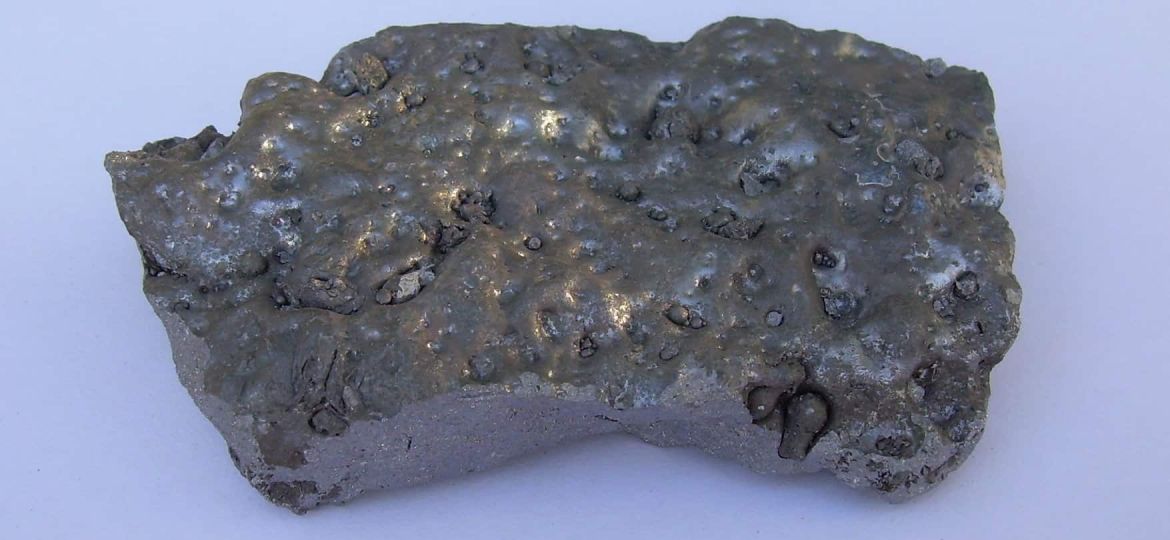
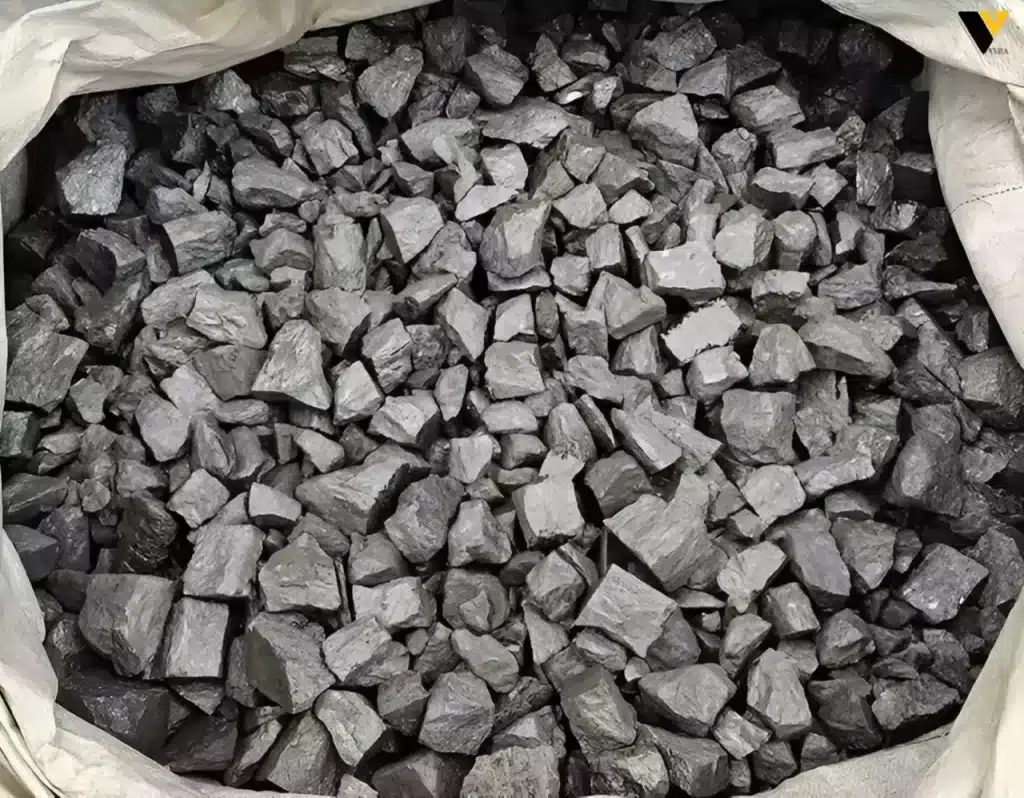
Ferrosilicon usually has a hard, metallic appearance. Its surface may range from dark gray to silver-gray. Commercial material often comes as irregular lumps after crushing and screening.
Different sizes are available for different production methods.
The main value of FeSi comes from silicon. Silicon has a strong attraction to oxygen. For this reason, steelmakers can use the alloy to help remove oxygen from molten steel.
FeSi also provides a practical way to add silicon to steel and cast iron.
These two functions make it an important raw material for steel mills, foundries, alloy producers, and other industrial users.
2. How Is Ferrosilicon Produced?
Ferrosilicon production takes place at very high temperatures. Producers commonly use electric furnaces designed for ferroalloy production.
The main raw materials include a source of silica, a source of iron, and carbon-based reducing materials. Quartz is widely used as the silica source. Coke, coal, or similar materials can provide carbon.
Inside the furnace, intense heat drives the required chemical reactions.
Carbon helps remove oxygen from the silica. The released silicon then combines with iron and forms ferrosilicon.
Careful furnace control is important throughout the process. Temperature, electrical power, raw material quality, and feed balance can affect the final product.
After the alloy forms, workers tap the molten material from the furnace.
It then cools and becomes solid. Large solid pieces are crushed into smaller commercial sizes.
Screening separates the product into required size ranges. This stage also helps control the amount of fine material.
Quality teams take samples to check the chemical composition. Products that meet the required limits can then move to packing and shipment.
Modern production also requires proper control of dust, heat, gases, and other process outputs.
Energy has a major role in manufacturing costs because electric furnaces consume large amounts of power. As a result, electricity prices can have a direct effect on global FeSi prices.
3. Ferrosilicon Composition and Specifications
Chemical composition is one of the first things a buyer should check when purchasing Ferrosilicon.
Silicon is the main element used to identify the grade. FeSi 75, for example, refers to a product with silicon content around the 75% level.
Yet silicon is not the only important value.
Buyers may also need limits for aluminum, carbon, phosphorus, sulfur, calcium, titanium, manganese, and other elements. Which limits matter most depends on the final use.
A standard steel plant may accept one range, while a special steel producer may need much tighter limits.
Aluminum is a good example. Some buyers specifically request low-aluminum ferrosilicon because their production process requires better control of aluminum input.
The same principle applies to carbon and other minor elements.
For this reason, two FeSi 75 offers may not represent the same product quality.
A proper quotation should clearly show the required chemistry. Buyers should request a Certificate of Analysis, commonly called a COA, when needed.
International standards can also help define product requirements. ISO 5445 covers ferrosilicon supplied for steelmaking and foundry use.
However, customer requirements can be more specific than a general standard.
The purchase contract should therefore state the agreed grade, chemical limits, size, testing method, and other important conditions.
4. What Are the Main Ferrosilicon Grades?
Several Ferrosilicon grades are available in global trade. They mainly differ by silicon content and limits for other elements.
FeSi 75 is among the most widely recognized grades. Its high silicon content makes it useful for many steel and foundry processes.
Another common option is FeSi 72. It offers a silicon level close to FeSi 75 but follows a different commercial specification.
FeSi 65 contains less silicon. Some plants select this grade when it better matches their process, cost, or target chemistry.
Lower-silicon grades such as FeSi 45 also exist for suitable industrial uses.
Special grades can have tighter limits for aluminum, carbon, calcium, titanium, or other elements. Buyers may see terms such as low-aluminum FeSi or high-purity FeSi in commercial offers.
No single grade is automatically the best choice.
A higher silicon percentage does not always mean better performance for every plant. The correct choice depends on the required silicon addition, final metal chemistry, furnace process, recovery rate, and cost.
Price comparisons should therefore use products with similar specifications.
Comparing FeSi 75 with FeSi 65 only by price per metric ton can create a false impression. The amount of usable silicon in each ton is different.
Professional buyers should compare both technical value and total cost.
5. What Is FeSi 75?
FeSi 75, also called Ferrosilicon 75, is one of the main grades traded in the ferroalloy market.
The number 75 refers to its nominal silicon level. Actual acceptable silicon ranges can vary according to the producer, standard, or sales contract.
This grade provides a high amount of silicon in each ton of material.
Steelmakers commonly use FeSi 75 for deoxidation and silicon adjustment. Foundries can also use suitable FeSi 75 products in cast iron production.
Its high silicon level can make addition calculations easier for many processes. A smaller amount of high-silicon material may supply the same silicon input as a larger amount of a lower grade.
However, the buyer should not judge FeSi 75 only by silicon content.
Aluminum is often an important value to check. Carbon, calcium, phosphorus, sulfur, titanium, and other elements may also matter.
Particle size should be reviewed as well.
The required size depends on how and where the plant adds the alloy. Large lumps and small particles can behave differently during handling and melting.
A complete FeSi 75 inquiry should therefore state the required chemistry, size, quantity, packing, destination, and delivery term.
Clear requirements allow suppliers to prepare more accurate offers and reduce the risk of receiving unsuitable material.
6. Why Is Ferrosilicon Used in Steelmaking?
Steelmaking is one of the largest markets for Ferrosilicon.
Its most important functions are oxygen removal and silicon addition.
Molten steel can contain oxygen during production. Too much oxygen can cause unwanted effects during casting and can reduce final steel quality.
Silicon reacts readily with oxygen. Steelmakers can therefore add FeSi during the production process to support deoxidation.
Another major purpose is to adjust silicon content.
Many steel grades contain a controlled amount of silicon. The required level depends on the final product and its target properties.
Silicon can affect strength, hardness, oxidation behavior, and electrical properties. Its exact effect changes with the steel composition and production method.
Electrical steels are an important example. Silicon plays a key role in steels used for transformers, motors, generators, and other electrical equipment.
The amount of FeSi added to molten steel must be carefully calculated.
Plant teams consider the starting chemistry, target silicon level, expected recovery, alloy grade, and process conditions.
Consistency is therefore important.
Stable FeSi quality helps a steel mill make more reliable addition calculations from one batch to another.
For that reason, steel buyers should look beyond the lowest price. Chemistry, recovery, size, and consistency can all affect the real production cost.
7. How Is Ferrosilicon Used in Foundries?
Foundries are another major market for Ferrosilicon.
Cast iron production requires careful control of silicon, carbon, cooling, and final structure. FeSi can help foundries adjust silicon content during this process.
Suitable products can also support inoculation.
Inoculation helps control how the metal forms its internal structure while cooling. This can influence graphite formation and the final properties of cast iron.
The required method depends on the type of casting.
Automotive parts, pipes, pumps, machine parts, housings, and heavy cast products may all need different iron properties.
A foundry should therefore choose FeSi according to its base iron, target chemistry, casting size, and production method.
Particle size also matters.
Material added directly to a furnace may need a different size from material used later in the casting process.
Minor elements can have an effect as well. Certain foundries need strict control of calcium, aluminum, or other elements.
As a result, simply asking for “foundry ferrosilicon” may not provide enough information.
The buyer should define the required grade, chemistry, particle size, and any special limits.
Correct product selection can support stable production and more consistent casting quality.
8. What Are the Main Uses of Ferrosilicon?
The largest Ferrosilicon uses are found in steelmaking and cast iron production, but the alloy also serves other industries.
Steel mills use it as a deoxidizer and silicon source.
Foundries use FeSi to adjust silicon and support the control of cast iron structure.
Some alloy producers use ferrosilicon as an input for other silicon-bearing products.
FeSi also has a role in certain magnesium production methods. Silicon can act as a reducing agent during the process.
Special metal applications may require high-purity or tightly controlled grades.
The wider industrial impact of ferrosilicon is even larger because steel reaches almost every part of the modern economy.
Steel made with FeSi is used in construction, infrastructure, automotive production, machinery, pipelines, energy projects, electrical equipment, appliances, and industrial plants.
This connection makes ferrosilicon an important part of the global raw material supply chain.
Still, not every application requires the same grade.
A large steel mill may select a standard FeSi 75 product, while a special alloy producer may need lower impurity levels.
End use should always guide product selection.
The right FeSi is the grade that supplies the required silicon while meeting the process limits at a suitable total cost.
9. Ferrosilicon Sizes, Packing, and Storage
Chemical composition is only one part of a Ferrosilicon purchase.
Physical size can also affect handling and furnace use.
Suppliers offer FeSi in several particle ranges. Large lumps are common for furnace charging, while smaller sizes may suit other addition methods.
The exact size should always be agreed between buyer and seller.
Fines are another point to consider.
Material can break during crushing, packing, transport, loading, and unloading. This may increase the amount of small particles in a shipment.
If fines are important to the buyer, the contract should set an acceptable limit.
Packing varies according to quantity and transport method.
Many international shipments use jumbo bags or big bags. Other packing forms can be agreed when needed. Large users may also have different bulk handling options.
Bag weight should be stated clearly in the quotation.
Good storage protects the material and makes handling safer. FeSi should be kept under suitable conditions based on the supplier’s handling and safety instructions.
The storage area should also allow safe movement of bags or bulk material.
Buyers should review the current Safety Data Sheet (SDS) before handling and storing the product.
Clear rules for size, packing, and storage help reduce losses and support smooth plant operations.
10. How Can Buyers Check Ferrosilicon Quality?
A reliable Ferrosilicon supplier should be able to provide clear product information.
Quality control begins with chemistry.
The silicon result should match the agreed grade. Other controlled elements must also remain within the contract limits.
A Certificate of Analysis can provide the main test results for the supplied material.
For larger orders, buyers may request an independent inspection when appropriate.
Sampling is important because a laboratory result must represent the actual shipment.
Physical checks should cover size and general condition.
Too many fines can create handling problems. Foreign material or visible contamination may also be a reason for further inspection.
Consistency between shipments deserves attention.
A buyer may receive a product that technically passes the specification but changes greatly from one shipment to another. Such changes can make production control harder.
Reliable supply therefore means more than passing one test.
It includes stable chemistry, suitable size, correct packing, clear documents, and good communication.
Buyers should also check whether the supplier understands the exact requested grade.
If a seller offers a substitute, the buyer should review and approve the change before shipment.
A clear contract remains one of the best tools for avoiding quality disputes.
11. Ferrosilicon Standards and Safe Handling
Standards can make international Ferrosilicon trade clearer for both buyers and sellers.
One important reference is ISO 5445, which covers ferrosilicon for steelmaking and foundry use.
However, buyers may use other national standards, producer specifications, or their own plant requirements.
The sales contract should clearly state which specification applies.
Testing methods should also be agreed when necessary.
Safety is equally important.
Workers should follow the supplier’s current Safety Data Sheet and local workplace rules.
Handling methods can depend on product size and form.
Large lumps create different risks from fine particles. Fine FeSi can produce more dust during movement and transfer.
Work areas may therefore require suitable ventilation, dust control, personal protective equipment, and safe loading methods.
Storage conditions should follow the current product guidance.
Staff should also know what to do if material spills or packaging becomes damaged.
International buyers should request the required safety and transport documents before shipment.
Safety information may vary by product grade, form, supplier, and country.
For this reason, companies should rely on current product documents rather than old or generic information found online.
Good safety practice protects workers, equipment, products, and the wider supply chain.
12. What Determines Ferrosilicon Prices?
Ferrosilicon prices change with market conditions. There is no fixed global FeSi price.
Electricity is one of the largest cost factors because electric furnaces need large amounts of power.
Raw materials also influence production costs.
Quartz, coke, coal, iron sources, electrodes, labor, maintenance, and plant costs all affect the final price.
Grade creates another difference.
FeSi 75 and FeSi 65 contain different amounts of silicon. Special low-aluminum or high-purity grades may also carry a premium.
Particle size can influence price because crushing and screening require extra work.
Packing adds another cost.
Big bags, pallets where required, container loading, inland transport, and port charges can change the final quotation.
Freight can create large differences between regions.
An EXW price should not be compared directly with a CIF price. The second offer may include inland transport, port costs, sea freight, and other expenses.
Exchange rates, supply levels, steel demand, trade measures, and energy prices can also move the market.
Professional buyers should compare offers on the same basis.
The correct comparison includes grade, chemistry, size, quantity, packing, origin, Incoterm, destination, payment terms, and delivery schedule.
13. Ferrosilicon Supply and Global Trade
Ferrosilicon is traded worldwide between producers, steel mills, foundries, distributors, and commodity trading companies.
Production is often competitive in regions with access to suitable raw materials and reliable power.
International demand is closely linked to steel and casting activity.
When steel output rises, demand for ferroalloys can also increase. Lower production can have the opposite effect.
Trade flows also depend on freight, import rules, duties, and regional prices.
Some buyers purchase directly from producers. Others work with traders or distributors that can provide flexible quantities and shipping options.
Each model can serve a different need.
Large plants may prefer long-term supply contracts. Smaller buyers may need container quantities or regular deliveries from available stock.
International logistics require careful planning.
The seller and buyer should agree on the loading point, shipment period, packing, Incoterm, and destination.
Documents can include a commercial invoice, packing list, certificate of origin when required, analysis certificate, transport document, and other papers requested by the destination market.
Customs classification and import requirements should also be checked before shipment.
A strong supply chain combines the correct product with reliable documents and predictable delivery.
14. Ferrosilicon vs. Other Ferroalloys
Ferrosilicon belongs to the wider ferroalloy product family.
Each ferroalloy adds different elements to steel or other metals.
Ferromanganese mainly supplies manganese. It is widely used in steelmaking and can support oxygen and sulfur control.
Silicomanganese provides both silicon and manganese.
Ferrochrome supplies chromium and has a major role in stainless and alloy steel production.
Ferromolybdenum adds molybdenum to special steel grades.
Ferrovanadium provides vanadium, while ferroniobium supplies niobium.
FeSi stands out because it provides a high silicon input and works well as a deoxidizer.
These alloys are not direct replacements for each other.
A steelmaker may use several ferroalloys in the same production process. The exact combination depends on the final steel chemistry.
Price should therefore never be the only basis for choosing between ferroalloys.
A lower-cost alloy may add an element that the steel does not need. It could also introduce unwanted chemistry.
The production target must come first.
Understanding these differences helps buyers choose the correct raw materials and avoid costly mistakes.
15. How to Buy Ferrosilicon and Choose a Supplier
A professional Ferrosilicon inquiry should start with a clear product requirement.
First, state the grade. For example, the buyer may request FeSi 75, FeSi 72, or FeSi 65.
Next, provide the required chemical limits.
Silicon should be clearly stated. Limits for aluminum, carbon, phosphorus, sulfur, calcium, titanium, or other elements should also be included when needed.
The required particle size is another key detail.
Quantity should follow. Buyers should state whether they need a trial order, one container, a larger spot shipment, or regular monthly supply.
Delivery terms must also be clear.
For a CIF quotation, the seller needs the destination port. An FOB request should identify or confirm the proposed loading port.
Packing requirements, payment terms, inspection conditions, and required documents should be agreed before shipment.
Supplier checks are equally important.
Buyers should review company details, commercial experience, supply ability, banking information, product documents, and export capability.
A very low price should not replace proper checks.
The best offer is one that combines the correct product with a fair price, clear documents, reliable delivery, and suitable payment terms.
Atabaş Global can support steel mills, foundries, manufacturers, distributors, and international buyers seeking Ferrosilicon and other ferroalloys. Buyers can contact Atabaş Global for product information, commercial quotations, supply options, and international shipment solutions. Providing the required FeSi grade, chemistry, size, quantity, Incoterm, and destination can help speed up the quotation process.
Ferrosilicon remains an essential raw material for modern steel and casting production. Its value comes from its ability to add silicon, support oxygen removal, and meet a wide range of industrial needs.
Successful purchasing depends on more than the FeSi grade. Buyers should consider chemistry, size, quality, packing, price, logistics, documents, and supplier reliability together. This approach makes it easier to choose the right product and build a stable supply chain.
