

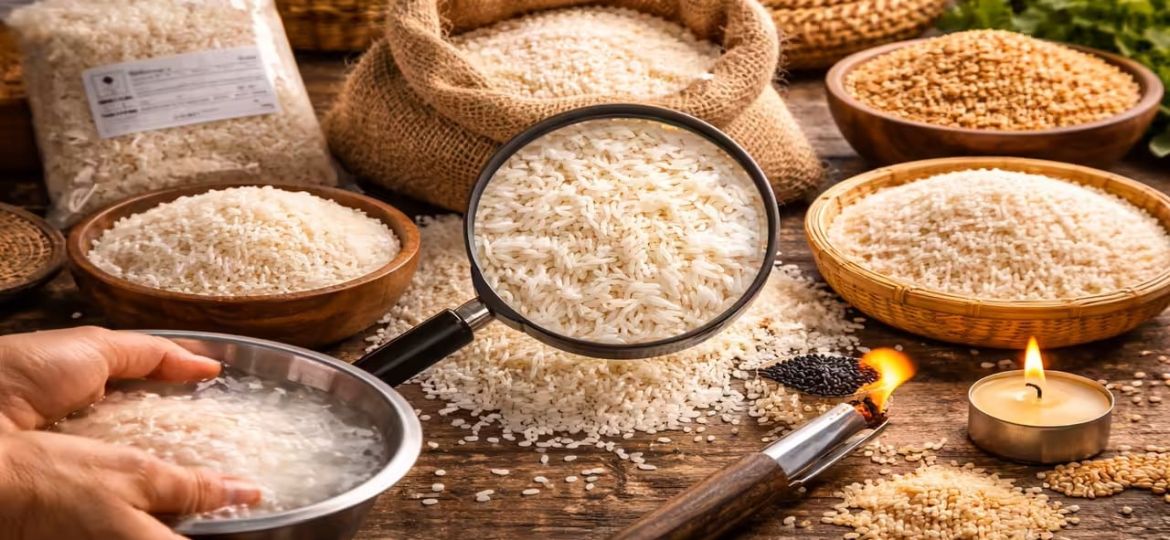
Rice is one of the world’s most important cereal grains and a staple food in many countries. Farmers grow it across a wide range of regions, while mills process the harvested crop into products for retail, food manufacturing and international trade.
However, commercial products can differ greatly. Grain length, variety, milling method, moisture, broken kernels and crop origin can all affect quality and final use. For this reason, professional buyers need more than a product name when they compare suppliers.
This guide explains rice types, typical specifications, processing methods, quality factors, storage, packaging and key purchasing points. It also provides clear technical information for buyers, food businesses and other users who need to evaluate the product.
1. What Is Rice?
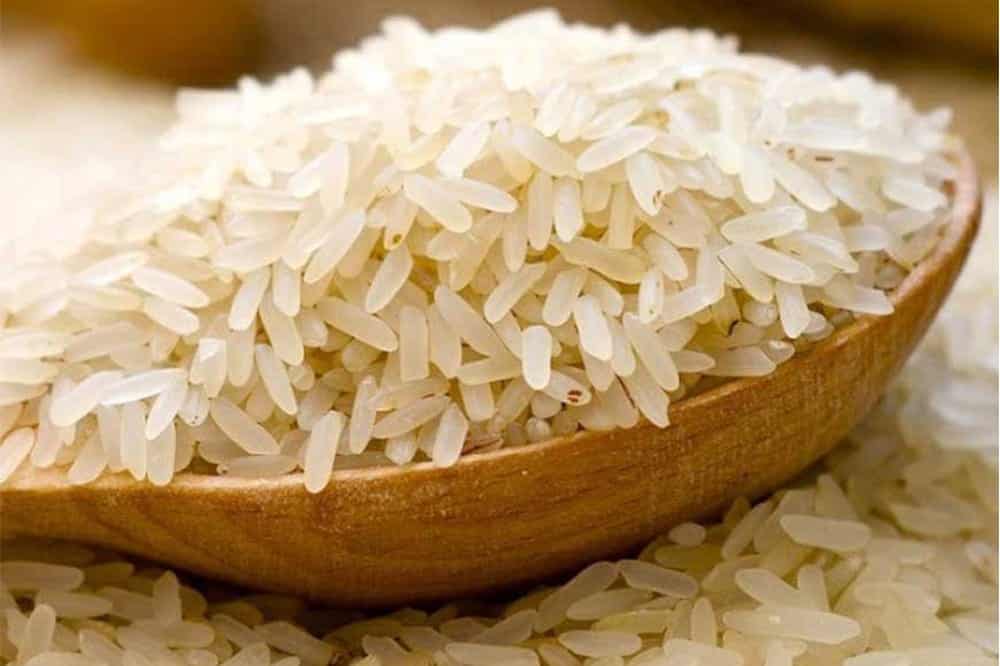
Rice is an edible cereal grain from plants within the genus Oryza. Oryza sativa accounts for most global production and includes many varieties with different grain shapes, textures and cooking properties.
After harvest, each kernel still has an outer husk. The industry often calls this form paddy or rough rice. Milling removes the husk and can also remove the bran and germ, depending on the desired final product.
As a result, processors can produce brown, white and other commercial forms from the harvested grain.
In simple terms, rice is a cereal crop that mills process into several food products and commercial grades.
2. How Does Production and Milling Work?
Production starts with a suitable variety and growing system. Farmers manage water, soil nutrients, weeds, pests and crop health according to local conditions.
Once the crop reaches maturity, harvesting begins. Producers then dry the harvested grain to prepare it for safe storage and processing.
Next, cleaning equipment removes unwanted material. Dehusking separates the outer husk and leaves brown kernels. Further milling removes much of the bran layer and produces white rice.
Modern mills may also use grading and optical sorting equipment. These systems help separate kernels according to size, shape, color and other quality features.
The main processing stages can include:
- Harvesting
- Drying
- Cleaning
- Dehusking
- Milling
- Grading
- Sorting
- Packaging
The exact process varies according to the required grade and final market.
3. What Are the Main Commercial Types?
Commercial markets classify the grain by variety, size and processing method.
Long-grain varieties have relatively long and narrow kernels. Many types remain separate and light after proper cooking.
Medium-grain varieties have shorter and wider kernels. Depending on the variety, they can develop a softer texture after cooking.
Short-grain varieties have short, broad kernels. Many become soft and cohesive when cooked.
Processing creates other categories as well.
Brown rice retains its bran layer after dehusking. In contrast, white rice goes through additional milling that removes most of the bran and germ.
Parboiled rice undergoes a water and heat treatment before milling. This process changes the physical properties of the kernel.
Named varieties such as basmati and jasmine can also have specific aroma, appearance and cooking characteristics.
4. What Are the Typical Specifications?
Commercial specifications depend on variety, origin, grade, milling process and buyer requirements. National standards and trade contracts can also use different limits.
Therefore, the following table provides a general technical framework rather than guaranteed values for every shipment.
| Parameter | Typical Commercial Description |
|---|---|
| Product | Rice |
| Botanical group | Oryza spp. |
| Common species | Oryza sativa |
| Physical form | Whole and/or broken kernels |
| Grain class | Long, medium or short |
| Processing type | Brown, white/milled or parboiled |
| Color | Depends on variety and processing |
| Moisture | Grade and contract dependent |
| Broken kernels | Defined by commercial grade |
| Foreign matter | Controlled according to specification |
| Damaged kernels | Specification dependent |
| Chalky kernels | Variety and grade dependent |
| Discolored kernels | Controlled where required |
| Paddy grains | Limited according to grade |
| Grain dimensions | Variety and specification dependent |
| Odor | Normal, without unacceptable foreign odors |
| Storage | Clean, cool and dry conditions |
| Shelf life | Depends on type, packaging and storage |
Buyers should define exact limits in the purchase contract when a parameter affects product acceptance.
In addition, both parties should use agreed sampling and test methods. This approach makes supplier comparisons more reliable and helps prevent quality disputes.
5. Which Factors Determine Grain Quality?
Quality depends on several physical, sensory and processing characteristics.
Moisture is particularly important because poor control can affect storage stability. Grain appearance also matters in many retail and food-service markets.
Buyers commonly evaluate:
- Kernel dimensions
- Moisture
- Broken content
- Damaged kernels
- Chalkiness
- Foreign matter
- Discoloration
- Paddy grains
- Odor
- Cleanliness
- Milling quality
- Uniformity
However, the importance of each parameter depends on the final application.
For example, a premium retail product may require excellent visual uniformity and a low broken percentage. A food manufacturer may place more emphasis on cooking consistency and process performance.
Therefore, quality should always match the intended use.
6. How Do White and Brown Varieties Differ?
The main difference comes from the degree of milling.
Brown rice has the outer husk removed but retains the bran and germ. White rice undergoes additional milling, which removes most of these outer components.
As a result, the two products differ in appearance, composition, flavor, cooking behavior and storage characteristics.
| Feature | White Rice | Brown Rice |
| Husk | Removed | Removed |
| Bran | Mostly removed | Retained |
| Germ | Largely removed during milling | Retained |
| Appearance | Usually white | Brown or tan |
| Flavor | Generally mild | More pronounced |
| Cooking time | Often shorter | Often longer |
| Storage stability | Generally longer | Often shorter due to oils in the bran |
The right choice depends on consumer preference, recipe, processing needs and desired shelf life.
7. What Is Parboiled Rice?
Parboiled rice receives a controlled water and heat treatment before milling. Producers normally carry out the process while the grain remains inside its husk.
The main stages usually involve soaking, heating or steaming, and drying. Milling follows these steps.
This treatment changes the physical structure of the kernel. Consequently, the final product can show different cooking properties, grain strength and color compared with standard white rice.
Parboiling can also move some nutrients from the outer layers toward the inner part of the kernel before milling.
However, parboiled and instant products are not the same. Instant products undergo additional processing to reduce preparation time for consumers.
8. How Does Grain Size Affect Cooking?
Kernel dimensions help buyers identify commercial categories and can influence cooking behavior.
Long grains usually have a narrow shape. Many varieties produce separate kernels after proper preparation.
Medium grains are shorter and wider. They may create a softer and more cohesive texture.
Short grains have a compact shape and often become more adhesive during cooking.
Nevertheless, size alone does not determine the final texture. Variety, starch composition, processing, product age and cooking method can also influence the result.
Therefore, professional food manufacturers often test cooking performance in addition to checking physical dimensions.
9. What Are the Main Food and Industrial Uses?
Rice primarily serves as a staple food, but processors also use it as an ingredient in many products.
Common applications include:
- Cooked meals
- Ready-to-eat products
- Flour
- Noodles
- Breakfast products
- Snacks
- Rice cakes
- Bakery products
- Beverages
- Suitable infant-food formulations
- Starch products
- Other processed foods
Broken kernels can also provide a useful raw material for flour, starch and other suitable processing applications.
Consequently, buyers do not always need the highest whole-kernel grade. The most cost-effective specification depends on the final product.
10. What Are Broken Kernels?
Broken kernels are pieces of grain that separate during harvesting, drying, milling or handling.
Their presence does not automatically indicate poor food safety. Instead, the percentage of broken material often forms part of the commercial grade.
Premium retail products commonly require a lower broken percentage. Other applications may accept or intentionally use higher levels.
For example, processors can use broken material to make flour, starch and various food products.
Therefore, buyers should specify an acceptable broken-kernel level according to their application.
Both buyer and seller should also agree on the grading method. Clear definitions make quality control more consistent.
11. Which Parameters Should Commercial Buyers Check?
Professional purchasing starts with a clear product specification.
First, buyers should select the required variety, processing type and grade. Next, they should define measurable acceptance limits.
Important parameters can include:
- Variety
- Country of origin
- Crop year
- Grain dimensions
- Moisture
- Broken percentage
- Foreign matter
- Damaged kernels
- Chalky kernels
- Discoloration
- Paddy grains
- Milling degree
- Odor
- Packaging
Food-safety requirements also matter. Depending on the destination market, buyers may need to verify relevant limits for contaminants, pesticide residues and other regulated factors.
As a result, importers should check current rules for the country where they plan to sell or process the product.
12. What Are the Best Storage Conditions?
Good storage protects grain from moisture, pests, contamination and unwanted odors.
Warehouses should stay clean and dry. Operators should also monitor conditions that could encourage insects, mold or moisture problems.
Useful storage practices include:
- Keeping warehouse areas clean
- Protecting bags from water
- Using suitable pallets when needed
- Preventing contact with strong odors
- Monitoring pests
- Protecting packaging from damage
- Controlling warehouse conditions
- Rotating stock correctly
Temperature and relative humidity can affect storage performance. Therefore, operators should adapt their controls to the local climate, packaging and product type.
Brown products generally need closer shelf-life management because natural oils remain in the bran.
13. How Should the Product Be Packaged and Transported?
Suppliers can offer several packaging formats according to order size and customer requirements.
Options may include small retail packs, food-service bags and larger commercial sacks. Exporters may also offer other formats according to logistics needs and market rules.
During transport, packaging should protect the product from:
- Moisture
- Dirt
- Pest activity
- Foreign odors
- Physical damage
- Cross-contamination
Transport areas and containers should remain clean, dry and suitable for food cargo.
Furthermore, exporters should check labeling, traceability, documentation and food-safety requirements before shipment.
Careful logistics management helps maintain product quality from the mill to the final customer.
14. How Can Buyers Select a Reliable Supplier?
Supplier selection should consider quality, consistency, documentation and logistics rather than price alone.
First, buyers should create a clear specification. They can then compare potential suppliers against the same requirements.
Useful documents and information may include:
- Product specification
- Quality certificate or CoA where applicable
- Country of origin
- Crop year
- Variety information
- Milling details
- Food-safety documents
- Relevant laboratory results
- Packaging information
- Traceability records
Consistency between shipments is especially important for food manufacturers. Large changes in moisture, broken content or cooking behavior can affect production and final product quality.
For significant purchases, buyers can also request representative samples. Cooking and physical tests can then help confirm whether the product meets the required standard.
15. Why Is Rice Important in Global Food Trade?
Rice plays a major role in food security and international agricultural trade. Producing countries supply both domestic markets and buyers across the world, while importing countries use different varieties and grades to meet consumer and industrial demand.
The market also offers significant product diversity. Buyers can choose between different grain sizes, varieties, milling levels and processing methods.
However, that diversity makes accurate specifications essential.
A product name alone cannot define commercial quality. Moisture, broken content, origin, variety, grain dimensions, processing quality and food-safety requirements all influence suitability.
Therefore, professional buyers should define their needs before placing an order. They should compare suppliers with clear technical criteria and verify compliance with the rules of the destination market.
This approach helps companies source rice with consistent quality while reducing purchasing and processing risks.
