

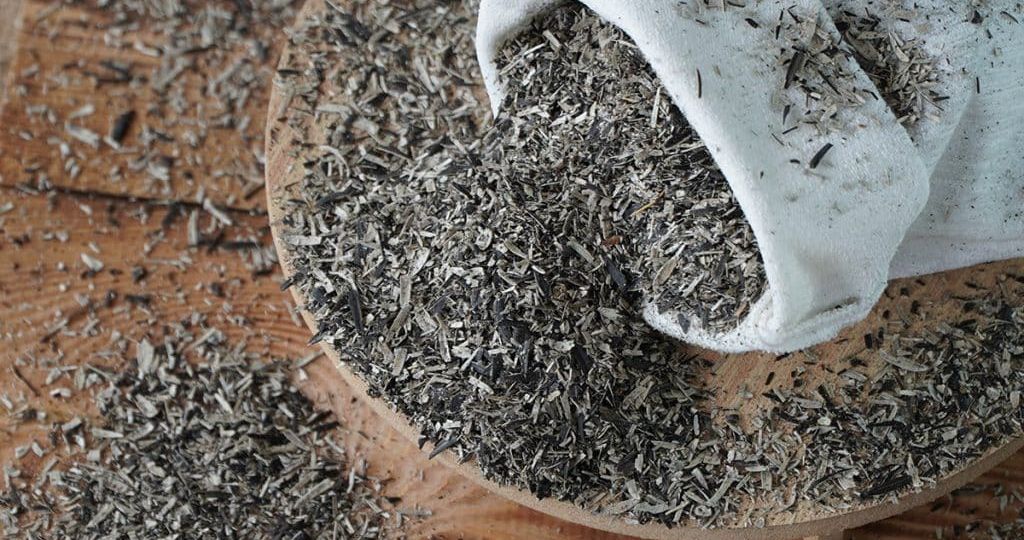
Sunflower Seed Meal is a valuable plant-based feed ingredient produced after oil is extracted from sunflower seeds. It connects the vegetable oil industry with animal nutrition by providing protein, fiber and other nutrients that can support properly formulated livestock diets.
However, not every Sunflower Seed Meal has the same nutritional profile. Dehulling, extraction methods, residual oil and processing conditions can significantly influence protein, fiber and energy characteristics. Therefore, feed manufacturers and international buyers should evaluate the actual grade and specification rather than relying on the product name alone.
Understanding these differences helps buyers select Sunflower Seed Meal for cattle, poultry, swine, aquaculture and other feed applications while also considering product quality, storage conditions and international supply requirements.
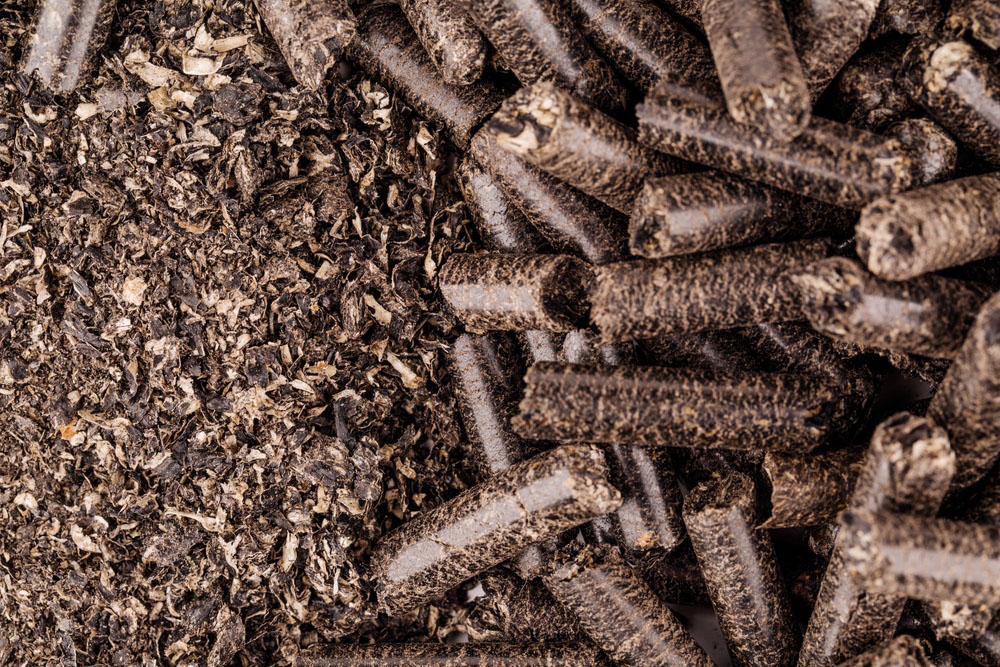
1. What Is Sunflower Seed Meal?
Sunflower Seed Meal is the solid material obtained after processors extract oil from sunflower seeds. It belongs to the oilseed meal category and is primarily used as a protein-containing ingredient in animal feed.
The product can originate from whole, partially dehulled or more extensively dehulled sunflower seeds. Producers may use mechanical pressing, solvent extraction or a combination of processing methods. These choices directly influence the characteristics of the final meal.
According to Feedipedia’s sunflower meal reference, sunflower meal is a by-product of sunflower oil extraction, and its nutritional characteristics can vary considerably according to seed composition, dehulling and extraction method.
This variation explains why professional buyers should treat the product as a specification-driven feed ingredient rather than assume that every sunflower meal cargo has identical nutritional value.
2. How Is Sunflower Seed Meal Produced?
Production begins with sunflower seeds destined primarily for oil extraction.
Processors first clean the seeds to remove unwanted materials. Depending on the desired product, they can then remove part of the hull before preparing the kernels for oil extraction.
Dehulling is particularly important because sunflower hulls contain substantial fiber. Removing more hull material generally increases the relative concentration of protein while reducing the fiber content of the resulting meal.
The prepared seed then enters the extraction stage. Mechanical pressing removes oil through physical pressure, while industrial facilities may also use solvent extraction to remove additional oil. After suitable processing, the remaining solid fraction becomes sunflower meal.
The meal may subsequently be dried, ground or pelletized depending on production and commercial requirements.
As a result, Sunflower Seed Meal is not simply agricultural residue. It is a commercially useful co-product created within an integrated oilseed processing chain.
3. Why Do Protein and Fiber Define Sunflower Seed Meal Quality?
Protein and fiber are two of the most important characteristics when evaluating this ingredient.
Protein creates much of the nutritional value. Animals require amino acids from dietary protein for growth, maintenance and production. Fiber creates a different nutritional effect.
Because sunflower hulls contain significant fibrous material, meals with greater hull content usually have higher fiber and lower relative protein concentration. More extensive dehulling can shift that balance toward higher protein and lower fiber.
This relationship has practical consequences. A high-fiber grade may work well in one ration but be less attractive in a feed program that requires greater nutrient density.
Reference data for sunflower meal show considerable variation between dehulled and non-dehulled products. This is why buyers should examine the actual analytical profile of the offered cargo rather than assume that the words “sunflower meal” define a single nutritional standard.
4. Dehulled vs. Non-Dehulled Sunflower Meal
Dehulling creates one of the most important distinctions between commercial grades.
A dehulled or partially dehulled meal contains less fibrous outer material. Consequently, these products generally offer higher protein concentration and lower fiber.
Non-dehulled meal retains more hull material. Therefore, its protein concentration is typically lower while its fiber content is higher.
| Characteristic | Dehulled / Partially Dehulled | Non-Dehulled |
|---|---|---|
| Protein Concentration | Generally higher | Generally lower |
| Fiber | Generally lower | Generally higher |
| Hull Content | Reduced | Higher |
| Nutrient Density | Usually higher | Usually lower |
| Appropriate Use | Depends on formulation | Depends on formulation |
These descriptions are comparative rather than contractual specifications.
Actual results vary according to seed characteristics, processing technology and extraction method. Consequently, the producer’s specification and analytical documentation should determine commercial acceptance.
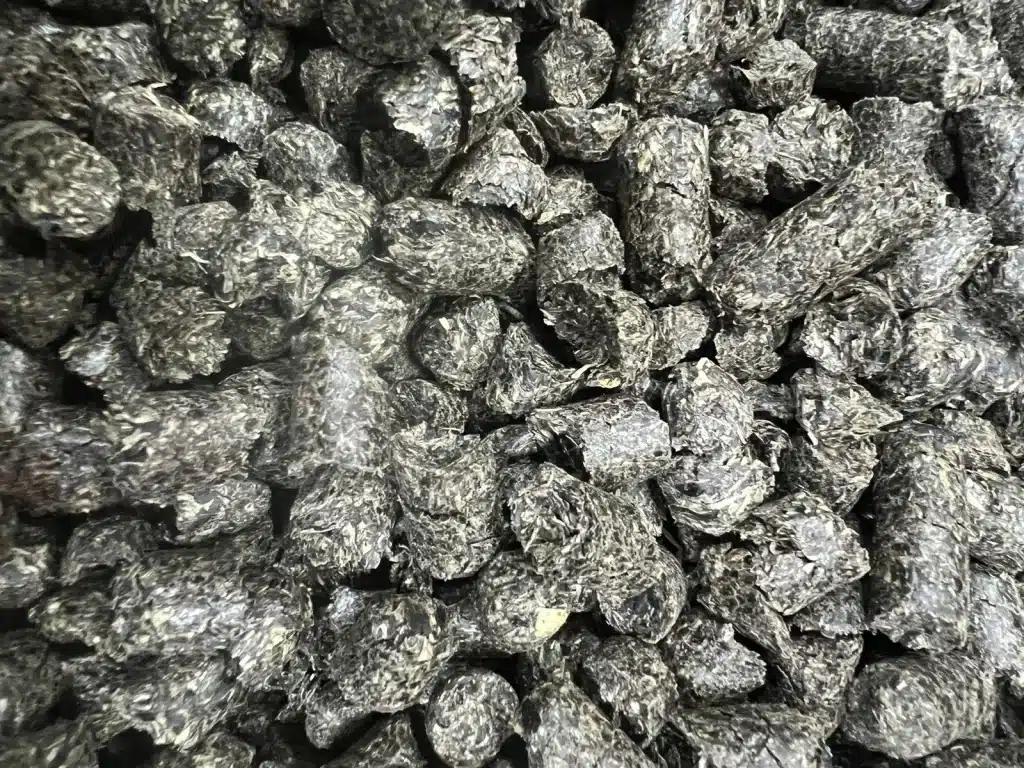
5. Where Is Sunflower Seed Meal Used?
Animal nutrition represents the primary application for Sunflower Seed Meal.
The product can contribute protein and fiber to feed programs for cattle and other ruminants. It may also enter formulations for poultry, swine, rabbits and certain aquaculture species when its nutritional characteristics fit the complete diet.
Its suitability varies because different animals process nutrients differently.
Ruminants can utilize fibrous ingredients through microbial fermentation in the rumen. Poultry and swine, by contrast, require closer attention to dietary energy, digestible amino acids and fiber levels.
Aquaculture introduces another set of requirements because nutritional needs differ significantly among aquatic species.
Therefore, there is no universal inclusion rate that applies to every animal or every sunflower meal grade. The appropriate use depends on the actual product analysis and the complete feed formulation.
6. Why Is Sunflower Seed Meal Valuable for Ruminants?
Ruminant nutrition is one of the strongest applications for sunflower meal.
Cattle, sheep and goats have digestive systems that can make productive use of fibrous feed materials when nutritionists properly balance the overall ration.
Sunflower Seed Meal can contribute protein while becoming part of a diet that also includes forage, grains, minerals and other feed ingredients.
Its role can vary according to whether the ration is designed for dairy cattle, beef production or another ruminant system.
For example, a high-producing dairy cow has different nutrient requirements from a beef animal under maintenance conditions. The protein contribution of the meal must therefore be considered alongside energy supply, forage quality and the nutritional characteristics of other ingredients.
This makes analytical consistency particularly useful for feed manufacturers. Reliable information about protein, fiber and residual oil allows nutritionists to formulate diets with greater precision.
7. Can Sunflower Seed Meal Be Used in Poultry Feed?
Yes. However, poultry diets require careful nutritional balancing.
Sunflower Seed Meal provides protein, but its amino acid profile differs from soybean meal. Lysine is an important consideration because sunflower meal is relatively limited in this essential amino acid compared with soybean meal.
Fiber also influences its nutritional value for poultry.
Higher fiber generally reduces the available energy concentration of the ingredient. Therefore, high-fiber grades may be less suitable for birds with demanding energy requirements unless the complete formulation compensates for this characteristic.
Dehulled products can offer advantages because reducing hull content generally increases protein concentration and lowers fiber.
Still, the ingredient should not be evaluated independently. Professional feed formulation considers the combined contribution of grains, protein ingredients, oils, amino acids, minerals and vitamins.
The objective is not to maximize one ingredient but to create a nutritionally balanced diet.
8. What About Swine and Aquaculture Applications?
Sunflower meal can also serve selected swine and aquaculture formulations.
For swine, fiber, energy concentration and amino acid balance require particular attention. Growing animals have different nutritional requirements from adult breeding animals, so the useful inclusion level can change according to production stage.
Higher-quality dehulled grades may provide greater flexibility because they generally contain more protein and less fiber.
Aquaculture requires an even more application-specific approach.
Fish species differ substantially in their ability to utilize plant-derived proteins. Protein digestibility, amino acid balance, fiber and processing quality can all influence performance.
Consequently, Sunflower Seed Meal should not automatically be treated as a direct replacement for soybean meal or fish meal. Feed manufacturers should evaluate the complete nutritional formula and the requirements of the target species before determining an appropriate inclusion level.
9. Sunflower Meal vs. Soybean Meal: What Is the Difference?
Both products belong to the oilseed meal family, and both can supply plant-based protein. Nevertheless, their nutritional profiles differ.
Soybean meal generally contains more protein and less fiber than many conventional sunflower meal grades. Its amino acid profile also differs, particularly in relation to lysine.
Sunflower meal, meanwhile, can provide useful protein and has relatively favorable levels of certain sulfur-containing amino acids.
Another major distinction is variability.
Hull content has a particularly strong effect on sunflower meal. Consequently, dehulled and non-dehulled grades can differ substantially in protein, fiber and nutritional value.
Rather than asking which ingredient is universally better, feed producers should compare protein quality, digestible amino acids, fiber, energy contribution, availability and delivered cost.
Buyers comparing plant-based protein ingredients can also review Atabaş Global’s Soybean Meal Trade and Specifications, Protein & Feed Uses guide for further information about soybean meal and its feed applications.
10. Which Quality Parameters Should Buyers Check?
A professional Sunflower Seed Meal evaluation should go beyond crude protein.
Protein remains a major commercial parameter, but crude fiber is equally relevant because it helps describe the nutritional density of the product.
Moisture also deserves attention. Excess moisture can affect storage stability and increase the risk of quality deterioration.
Residual oil provides additional information about the extraction process and can influence energy value. Depending on the commercial specification and intended application, buyers may also review ash, physical condition and other analytical characteristics.
Rather than treating one parameter as a complete quality indicator, buyers should examine how the different values work together.
| Parameter | Why It Matters |
|---|---|
| Crude Protein | Indicates protein concentration |
| Crude Fiber | Influences digestibility and energy value |
| Moisture | Important for storage and product condition |
| Residual Oil / Fat | Influences energy and reflects extraction |
| Ash | Contributes to the analytical profile |
| Physical Condition | Helps identify deterioration or contamination |
Commercial limits should always come from the agreed specification rather than a generic reference value.
11. Why Does Extraction Method Affect Feed Value?
Processing can change the nutritional profile even when the raw material comes from the same crop.
Mechanical pressing removes oil through pressure but generally leaves more residual oil in the meal than solvent extraction. That remaining oil can increase the energy value of the product.
Solvent extraction removes oil more efficiently and can therefore produce meal with lower residual fat.
Dehulling adds another important variable.
The combination of dehulling and extraction method influences the balance between protein, fiber and residual oil. For this reason, Sunflower Seed Meal should be purchased according to an actual product specification rather than its general commodity name alone.
A buyer requesting only “sunflower meal” may otherwise receive offers for products with significantly different nutritional characteristics.
12. How Should Sunflower Seed Meal Be Stored?
Storage protects both commercial value and feed quality.
Sunflower Seed Meal should remain dry and protected from rain, condensation and other sources of moisture. Warehouses should also control exposure to pests, chemicals, foreign materials and other contaminants.
Ventilation and temperature management may become important depending on product condition and storage duration.
Clean handling equipment also matters.
A cargo can meet specification when it leaves production but still suffer contamination or deterioration during loading, transportation, discharge or warehousing.
For that reason, feed-safety controls should extend across the supply chain.
Appropriate storage is not simply a logistical detail. It is part of preserving the nutritional and commercial condition of the product until final use.
13. What Influences the International Sunflower Meal Market?
Sunflower meal exists within a wider agricultural value chain.
Sunflower seed production affects raw-material availability, while crushing activity determines how much oil and meal enters the market.
Vegetable oil economics can influence processing decisions. Meanwhile, demand from livestock and compound feed producers affects consumption.
Quality differences create another commercial factor.
A higher-protein dehulled product and a conventional higher-fiber meal may serve different formulations and therefore should not automatically be compared as identical commodities.
Origin, seasonality, shipment size, freight conditions and destination also influence delivered economics.
For international buyers, the most meaningful comparison is therefore not simply price per metric ton. It is the delivered cost of a product that meets the required nutritional and commercial specification.
14. How Can Buyers Source Sunflower Seed Meal Through Atabaş Global?
International feed ingredient sourcing requires technical requirements and commercial conditions to work together.
A buyer should ideally define the required protein level, maximum fiber and moisture limits, quantity, destination, shipment period and preferred delivery basis before requesting a quotation.
These details help distinguish suitable Sunflower Seed Meal grades from products that may not match the intended feed application.
Atabaş Global operates in international physical commodity trading across agricultural commodities and other industrial raw materials. Buyers can learn more about the company’s international trading activities through the Atabaş Global website.
For secure and professionally coordinated Sunflower Seed Meal sourcing, buyers can contact Atabaş Global with their required specification, quantity, destination and preferred commercial terms.
The requirement can then be evaluated according to the requested product characteristics, commercial conditions and available supply options.
Contact Atabaş Global to discuss your Sunflower Seed Meal requirement and request a commercial quotation based on your required grade, volume, destination and delivery terms.
