

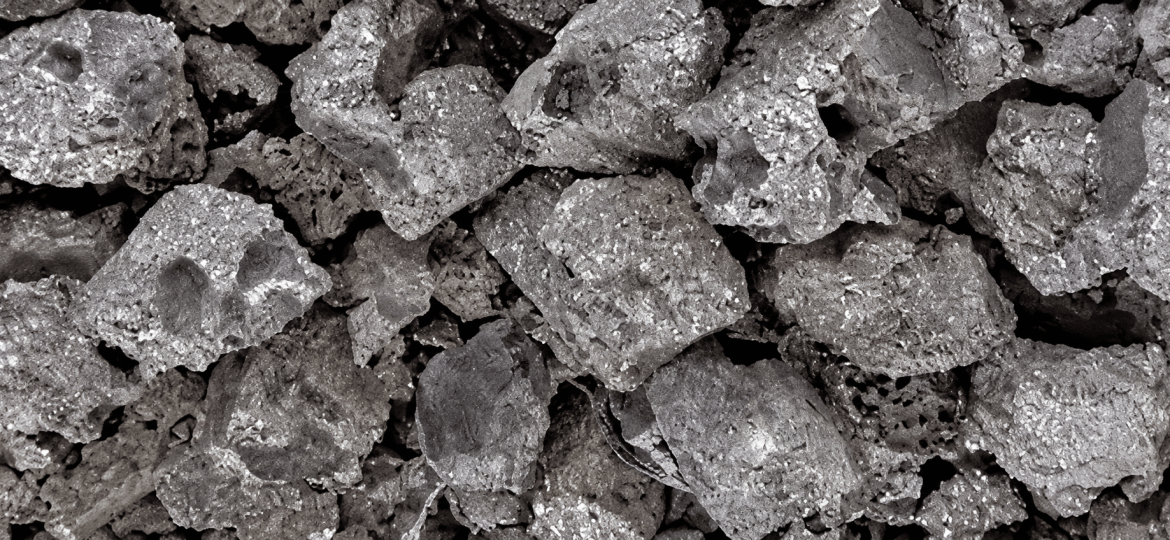
Ferrochrome (FeCr) is one of the most important ferroalloys in the global metals industry. Steelmakers mainly use it to add chromium to stainless steel and other chromium-bearing steels. Chromium helps these materials resist corrosion, oxidation, heat and wear. As a result, ferrochrome supports the production of metals used across construction, energy, transport, machinery, food processing and many other industries.
Chromite ore provides the main source of chromium for ferrochrome production. During smelting, producers combine this ore with carbon-based reducing materials and use high temperatures to create an iron-chromium alloy.
Several grades serve different metallurgical needs. High Carbon Ferrochrome (HC FeCr), Charge Chrome, Medium Carbon Ferrochrome (MC FeCr) and Low Carbon Ferrochrome (LC FeCr) rank among the main commercial types.
Choosing the correct grade requires more than checking chromium content. Carbon, silicon, phosphorus, sulfur, particle size, consistency and the final steel specification can all influence the purchasing decision.
This guide covers the full Ferrochrome (FeCr) value chain, including raw materials, production, chemical properties, grades, stainless steel applications, quality control, logistics, prices, global trade and environmental factors.
1. What Is Ferrochrome (FeCr)?
Ferrochrome (FeCr), also known as ferrochromium, is an alloy that mainly contains iron and chromium. Its abbreviation combines the chemical symbols Fe, which stands for iron, and Cr, which stands for chromium.
The steel industry uses this ferroalloy as an efficient source of chromium. Instead of relying on pure chromium for standard steelmaking, mills can introduce chromium through different ferrochrome grades.
Unlike a chemical compound with a fixed formula, ferrochrome belongs to a family of alloys. Its composition changes according to the grade, raw materials, production method and customer specification.
Many commercial products contain roughly 50% to 75% chromium, although individual specifications can use narrower ranges. High-carbon grades may contain several percent carbon, while low-carbon grades contain much less.
Other elements also affect product quality. Silicon, phosphorus and sulfur usually appear within controlled limits because each can influence steelmaking or the properties of the final steel.
After smelting and cooling, the alloy forms a hard and brittle solid. Producers crush this material and screen it into sizes that match customer requirements.
Therefore, chromium percentage alone does not define the value of Ferrochrome (FeCr). Buyers should also examine carbon content, impurities, sizing, consistency and the expected performance inside the furnace.
2. Chromite Ore and Raw Materials for Ferrochrome Production
Chromite serves as the main mineral raw material for Ferrochrome (FeCr). It belongs to the spinel group of minerals and contains chromium together with iron and other elements.
The simplified formula FeCr₂O₄ often represents chromite. Natural ore, however, has a more complex chemistry. Magnesium and aluminum can replace part of the iron and chromium within the mineral structure. Gangue minerals can also add silica and other compounds.
These natural differences affect ferrochrome production.
Chromite Quality and the Cr/Fe Ratio
One important measure is the chromium-to-iron ratio (Cr/Fe ratio). Producers also examine chromium grade, silica, alumina, magnesia, particle size and mineral structure.
Ore with suitable properties can support better metal recovery and stable furnace operation. In contrast, a less suitable feed may increase slag volume or energy use.
For this reason, plants often process chromite before smelting. Crushing and screening can create the required particle sizes, while beneficiation can improve the concentration of valuable minerals.
Some operations also use pelletizing, briquetting or other forms of agglomeration when fine material requires preparation before furnace charging.
Carbon-Based Reducing Materials
Chromite cannot become Ferrochrome (FeCr) through heating alone. Producers need a reducing material to remove oxygen from the chromium and iron oxides.
Coke, coal, char and other carbon sources can perform this role. Their quality affects both furnace operation and production cost.
Depending on the process, plants may also add quartzite or other materials to control slag chemistry.
Electrical power supplies the heat needed for smelting. Since ferrochrome furnaces operate at very high temperatures, electricity price and availability strongly influence production economics.
The quality of ore, reductants and other inputs therefore shapes both the technical and commercial performance of a ferrochrome plant.
3. How Is Ferrochrome (FeCr) Produced?
Most large producers make Ferrochrome (FeCr) through high-temperature carbothermic reduction. In simple terms, carbon removes oxygen from chromium and iron oxides. High furnace temperatures then allow the reduced metals to form a molten alloy.
The submerged arc furnace (SAF) remains one of the main technologies for large-scale ferrochrome production.
Furnace Charging and Heating
Operators feed chromite, carbon-based reductants and selected slag-forming materials into the furnace.
Large electrodes supply electrical energy. The resulting heat creates the conditions required for reduction and melting.
Furnace performance depends on several factors, including ore chemistry, reductant quality, burden preparation, electrical settings and temperature control.
Good burden permeability also matters because furnace gases need suitable paths through the material.
Reduction and Alloy Formation
As the furnace charge reaches hotter zones, carbon reacts with oxygen in the metal oxides. Chromium and iron then enter the metallic phase.
At the same time, some carbon dissolves into the molten alloy. This explains why direct carbothermic smelting naturally produces high-carbon ferrochrome.
Non-metallic materials form a separate slag phase. Its chemistry plays an important role in furnace performance and chromium recovery.
Tapping, Cooling and Crushing
Operators tap molten metal and slag from the furnace at planned intervals. Their different physical properties help separate the metallic ferrochrome from the slag.
Once the alloy cools, it becomes hard and brittle. Crushing equipment breaks the solid material into smaller pieces, while screening systems separate those pieces by size.
Plants may recover additional ferrochrome trapped in the slag. This step can increase overall metal yield and reduce losses.
If the market requires a lower carbon or silicon level, further refining can change the chemistry of the alloy.
The final Ferrochrome (FeCr) then moves to storage, packaging or bulk transport according to customer requirements.
4. Chemical Composition and Key Properties of Ferrochrome
Chemical composition determines how a steelmaker can use Ferrochrome (FeCr). Chromium and carbon attract the most attention, but silicon, phosphorus and sulfur also matter.
Chromium Content
Chromium represents the main alloying value of ferrochrome. Many commercial grades fall within a broad range of approximately 50% to 75% Cr, although exact specifications vary.
A steelmaker uses the chromium percentage to calculate how much alloy the melt requires. Higher chromium content means that each tonne of ferrochrome contains more chromium units.
Still, a higher percentage does not automatically make one product better than another. Cost, recovery, carbon and impurities also influence its practical value.
Carbon Content
Carbon separates ferrochrome into major commercial groups.
High Carbon Ferrochrome often contains around 6% to 8% carbon in common specifications. Medium-carbon products offer an intermediate level, while Low Carbon Ferrochrome can contain only a small fraction of one percent.
The best option depends on the steelmaking route. Plants with strong decarburization capacity can often use HC FeCr efficiently, while strict low-carbon applications may need LC FeCr.
Silicon, Phosphorus and Sulfur
Silicon affects both alloy classification and steel chemistry. Buyers therefore set limits according to their production process.
Phosphorus and sulfur generally require tighter control because excessive amounts can harm the quality of certain steels.
A complete Ferrochrome (FeCr) specification should therefore cover the elements that matter to the final application rather than focusing on chromium alone.
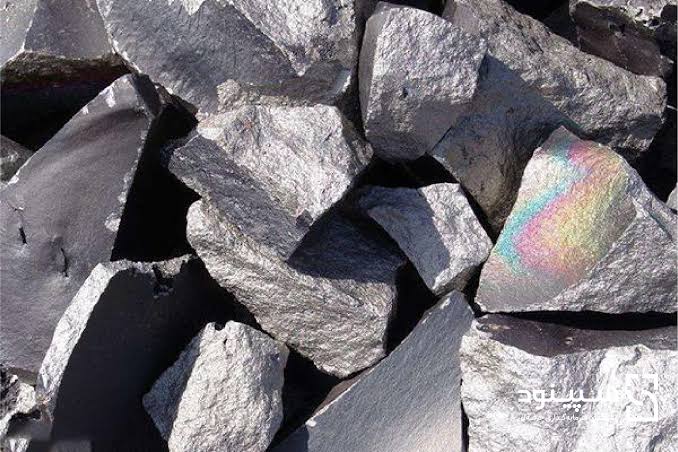
5. High Carbon Ferrochrome (HC FeCr)
High Carbon Ferrochrome (HC FeCr) represents one of the most important Ferrochrome (FeCr) products in global steelmaking. Stainless steel plants use large volumes because HC FeCr offers an effective way to introduce chromium into the melt.
Typical commercial specifications vary, but many HC FeCr products contain roughly 60% to 70% chromium and around 6% to 8% carbon.
Its high carbon content comes directly from the production route. Carbon acts as the reducing material during smelting, and part of it enters the molten iron-chromium alloy.
Why Stainless Steel Plants Use HC FeCr
Modern refining methods allow steelmakers to handle the carbon that HC FeCr adds to the melt.
Argon Oxygen Decarburization (AOD) plays a major role in this process. AOD helps lower carbon while controlling chromium oxidation.
This ability gives steelmakers more freedom when choosing chromium raw materials. Instead of purchasing only expensive low-carbon material, a plant with suitable refining equipment can use HC FeCr and remove excess carbon later.
High carbon content, therefore, does not mean poor quality. The value of the grade depends on how well it matches the steelmaking process.
Evaluating HC FeCr
Chromium and carbon remain the main parameters, but buyers also examine silicon, phosphorus, sulfur and size distribution.
Consistency between shipments matters as well. Stable chemistry helps a steel plant plan alloy additions and maintain predictable furnace results.
For this reason, purchasing teams should compare HC Ferrochrome (FeCr) through total metallurgical value rather than price per tonne alone.
6. Low Carbon and Medium Carbon Ferrochrome
Some steel and alloy grades cannot accept the carbon input that comes with HC FeCr. Low Carbon Ferrochrome (LC FeCr) and Medium Carbon Ferrochrome (MC FeCr) meet these more controlled requirements.
Low Carbon Ferrochrome
LC FeCr supplies chromium while keeping carbon addition very low.
Certain traditional specifications contain roughly 55% to 75% chromium, while carbon may fall around 0.02% to 0.10%. Exact limits vary by supplier and customer requirement.
This grade becomes especially useful when later carbon removal would be difficult or costly.
Direct carbon reduction naturally produces an alloy with significant carbon. As a result, producers need additional process steps or different production routes to reach low carbon levels.
The extra work can make LC FeCr more costly than standard high-carbon material. However, its chemical profile creates value for specialty steels and other applications with strict carbon limits.
Medium Carbon Ferrochrome
MC FeCr fills the space between high- and low-carbon products.
Commercial specifications do not follow one universal carbon range. Instead, producers and buyers define limits according to the intended application.
A steelmaker may choose MC FeCr when the process can accept some carbon but not the level that HC FeCr would introduce.
The final choice should balance chromium requirements, carbon limits, refining ability and total production cost.
7. Charge Chrome and Its Role in Steelmaking
Charge chrome is an important high-carbon Ferrochrome (FeCr) grade that mainly serves stainless steel production.
Its chromium level often sits below that of some higher-grade HC FeCr products. Traditional technical ranges may place charge chrome at roughly 48% to 58% chromium, but supplier specifications can differ.
Why Charge Chrome Has Commercial Value
Modern stainless steelmaking gives producers more flexibility in raw-material selection.
A steel plant does not always need to purchase the ferrochrome grade with the highest chromium percentage. Instead, it can optimize its charge according to chromium units, carbon, price and refining capacity.
Charge chrome may enter the furnace together with stainless steel scrap, carbon steel scrap and other alloying materials.
Later refining adjusts carbon and other elements until the steel reaches its target chemistry.
Comparing Charge Chrome With Other FeCr Grades
Price per tonne offers only part of the commercial picture.
A buyer should compare the amount of chromium in each tonne, expected chromium recovery, carbon level, silicon, impurities, size and freight.
For example, a lower-priced alloy may provide fewer chromium units per tonne. Higher transport cost can also remove an apparent price advantage.
Calculating the delivered cost of usable chromium gives buyers a more accurate way to compare different Ferrochrome (FeCr) offers.
8. Why Ferrochrome Is Essential for Stainless Steel
Stainless steel represents the largest end-use market for Ferrochrome (FeCr). The reason lies in chromium and its effect on steel.
When steel contains enough chromium, the metal can develop a thin protective oxide film on its surface. This passive layer helps protect the material against corrosion.
Chromium and Corrosion Resistance
Stainless steel generally contains at least about 10.5% chromium.
The chromium-rich surface film acts as a barrier between the steel and its surroundings. Under suitable conditions, the film can form again after minor surface damage.
This property makes stainless steel suitable for environments where ordinary carbon steel may corrode too quickly.
Different stainless grades use different chromium levels. Nickel, molybdenum, manganese, nitrogen and other elements can provide additional properties.
Other Benefits of Chromium
Corrosion resistance is only one benefit.
Chromium can also improve oxidation resistance, hardenability and wear performance. In suitable alloy systems, it supports service at elevated temperatures.
Because Ferrochrome (FeCr) supplies this chromium on a large industrial scale, ferrochrome demand has a close link with stainless steel production.
A rise in global stainless output can support demand for chromium units. Weaker steel production can reduce that need.
This relationship connects chromite mines and ferrochrome smelters directly with the wider stainless steel market.
9. Ferrochrome Applications Beyond Stainless Steel
Although stainless steel accounts for most Ferrochrome (FeCr) demand, chromium also plays an important role in other steels.
Engineering and Alloy Steels
Many engineering steels use chromium to improve hardenability and mechanical performance.
Manufacturers use these grades in components such as gears, shafts, bearings and machine parts. The required chromium level depends on the design, heat treatment and service conditions.
Tool and Wear-Resistant Steels
Chromium also appears in many tool steels.
When combined with suitable levels of carbon and other alloying elements, it can support hardness, wear resistance and carbide formation.
These properties matter in tools and components that face repeated friction or abrasive conditions.
High-Temperature Applications
Some heat-resistant steels rely on chromium to improve oxidation resistance at elevated temperatures.
Such materials can serve in industrial furnaces, energy equipment and other systems exposed to heat.
The steelmaker chooses the appropriate Ferrochrome (FeCr) grade according to carbon limits and the available refining route.
In every case, ferrochrome acts as a source of chromium rather than a finished engineering material. The final properties come from the complete steel chemistry, production process and heat treatment.
10. Ferrochrome Quality and Purchasing Specifications
Buying Ferrochrome (FeCr) for industrial use requires a clear technical specification. A simple product name does not provide enough information for a professional purchase.
Chemical Requirements
Chromium normally comes first because it represents the main alloying value.
Carbon and silicon also require clear limits. Depending on the final steel, buyers may set maximum values for phosphorus and sulfur.
A Certificate of Analysis (CoA) provides chemical data for a production lot or shipment.
For larger contracts, the parties may also agree on independent sampling, inspection and laboratory analysis.
Particle Size
Ferrochrome size can influence handling and furnace charging.
Excessive fines may create dust, material losses and handling problems. Oversized pieces can cause difficulties in some automated charging systems.
A purchase contract should therefore state the required size range and acceptable limits for fines and oversized material.
Consistency
Stable quality has real economic value.
Large changes in chromium, carbon or silicon between shipments can force steelmakers to adjust their calculations and furnace practice.
Reliable suppliers aim to maintain both chemical and physical consistency from lot to lot.
For long-term contracts, traceability and dependable Ferrochrome (FeCr) quality can become as important as the basic purchase price.
11. Ferrochrome Size, Packaging, Storage and Logistics
Efficient logistics protect the commercial value of Ferrochrome (FeCr) from the production plant to the steel mill.
Size and Packaging
After cooling, producers crush ferrochrome and screen it into commercial size ranges.
Customer requirements determine the exact sizing. Different furnaces and charging systems may need different lump dimensions.
Suppliers can transport the alloy in bulk or suitable industrial bags. Containers may also offer an effective solution for some international shipments.
Because ferrochrome has high density, transport planners must consider payload limits and proper weight distribution.
Storage and Traceability
Storage areas should keep different grades and lots separate.
Mixing HC FeCr with LC FeCr, for example, can create serious problems for a customer with strict carbon requirements.
Clear lot identification also supports traceability and quality control.
Warehouses should manage fines and dust carefully to reduce losses and maintain cleaner working conditions.
International Logistics
Freight can have a major impact on delivered ferrochrome cost.
Ocean transport, inland haulage, port charges, packaging, insurance and handling all add to the final price.
Commercial terms matter as well. Two offers with similar product prices may have very different delivered costs when they use different Incoterms or loading points.
International Ferrochrome (FeCr) buyers should therefore evaluate the complete supply route, not only the ex-works alloy price.
12. Ferrochrome Prices and Main Market Factors
Several factors influence Ferrochrome (FeCr) prices at the same time. Raw materials, energy, steel demand and logistics all play important roles.
Chromite Ore and Electricity
Chromite represents the main mineral input, so changes in ore availability and price can affect ferrochrome production costs.
Electricity has an equally important role. Submerged arc furnaces need large amounts of power to reach and maintain smelting temperatures.
High electricity prices can increase costs, while power shortages can reduce output.
Carbon-based reductants create another major expense. Their quality can also influence furnace efficiency.
Stainless Steel Demand
Stainless steel production drives much of the world’s ferrochrome demand.
When mills raise stainless output, they generally need more chromium units. During weaker production periods, demand can decline.
Inventories can influence short-term prices as well. Stock levels at producers, traders and steel plants affect how quickly changes in demand reach the market.
The Value of Contained Chromium
Price per tonne does not tell the whole story.
Consider two Ferrochrome (FeCr) products with different chromium percentages. The alloy with the higher Cr content contains more chromium units in each tonne.
Professional buyers can therefore compare the cost of contained chromium alongside the gross alloy price.
Recovery, carbon, silicon, impurities, particle size and freight should remain part of the calculation. Together, these factors provide a clearer view of the real cost to the steelmaker.
13. Global Ferrochrome Production and International Trade
The global Ferrochrome (FeCr) industry connects chromite-producing regions with ferroalloy plants and major stainless steel markets.
Chromite resources concentrate in a relatively small number of countries. Energy availability and steel demand then shape where smelting and consumption take place.
South Africa
South Africa holds a major position in the chromium supply chain because of its large chromite resources, particularly those associated with the Bushveld Complex.
The country also has a long-established ferrochrome sector.
Power availability and electricity costs strongly affect local smelting economics because ferrochrome furnaces consume substantial energy.
Kazakhstan, India and Türkiye
Kazakhstan combines important chromite resources with established ferrochrome production. This position makes the country an important supplier to international markets.
India participates across several parts of the value chain, including chromite mining, ferroalloy production and stainless steel manufacturing.
Türkiye also has a long history in chromite mining and chromium trade. Turkish ore has supplied international markets for many years and remains part of the broader chromium raw-material chain.
China and Ferrochrome Demand
China plays a central role on the demand side because it has a very large stainless steel industry.
Its steel production creates substantial demand for chromium units. International chromite and ferrochrome flows help meet that requirement.
Changes in Chinese stainless output can therefore influence producers and traders far beyond China.
At the same time, supply problems in major mining or smelting regions can affect Ferrochrome (FeCr) availability and prices across international markets.
14. Energy, Environment and Sustainable Ferrochrome Production
Producing Ferrochrome (FeCr) requires high temperatures and large amounts of energy. Modern plants therefore focus increasingly on efficiency, recovery and environmental control.
Improving Energy Performance
Better furnace operation can lower electricity use per tonne of alloy.
Plants may improve burden preparation, raw-material sizing and process control. Some producers also use preheating, agglomeration or pre-reduction.
Heat recovery and effective furnace-gas use can provide further gains.
These measures can reduce both operating costs and the environmental impact of each tonne of Ferrochrome (FeCr).
Dust and Emissions
Smelting and material handling can generate dust.
Effective collection systems help plants control these particles and maintain safer working conditions.
Chromium-containing dust needs careful management. Under some process conditions, certain dust or waste streams may contain hexavalent chromium, Cr(VI).
Because Cr(VI) requires strict health and environmental control, plants need suitable monitoring, treatment and worker protection systems.
Ferrochrome Slag
Smelting also produces slag that contains mineral components from ore and other furnace materials.
Small amounts of metallic ferrochrome can remain trapped inside this slag. Processing the material allows plants to recover part of that metal and improve total chromium yield.
Any secondary use of slag should depend on proper testing and local rules.
Future improvements in Ferrochrome (FeCr) production will continue to focus on lower energy use, higher metal recovery and better control of waste and emissions.
15. The Future and Strategic Importance of Ferrochrome (FeCr)
Ferrochrome (FeCr) provides a vital link between chromite resources and modern steel production. Its strategic importance comes mainly from the properties that chromium gives to steel.
Industries around the world need materials that can resist corrosion, heat, oxidation and wear. Stainless steel and other chromium-bearing alloys meet many of these needs.
Future Ferrochrome Demand
Stainless steel production will remain a major driver of ferrochrome consumption.
Construction, transportation, food processing, chemical production, energy systems and industrial machinery all create demand for corrosion-resistant materials.
Economic growth and infrastructure investment can therefore support long-term demand for chromium.
At the same time, steelmakers increasingly examine the energy use and carbon footprint of their raw materials. Ferrochrome producers will need to improve efficiency while maintaining competitive costs and reliable quality.
The Role of Recycling
Stainless steel scrap returns valuable chromium to the production cycle.
Higher recycling rates can improve resource efficiency and reduce the amount of new raw material required for each tonne of steel.
However, scrap alone cannot always meet total chromium demand. Growing markets require additional metal units, while scrap availability depends on how much material reaches the end of its useful life.
Primary Ferrochrome (FeCr) also gives steelmakers a direct way to adjust chromium levels and control final chemistry.
A Key Material for Modern Metallurgy
Future chromium supply will likely combine more efficient primary production with stronger recycling.
Quality consistency, traceability, energy performance and reliable logistics will also gain importance in international trade.
Different ferrochrome grades will continue to serve different needs. HC FeCr and charge chrome can provide cost-effective chromium for large stainless steel plants with suitable refining systems. MC FeCr offers an intermediate carbon option, while LC FeCr serves processes with stricter carbon limits.
For buyers, traders and steelmakers, understanding Ferrochrome (FeCr) requires a complete view of the supply chain. Ore quality affects smelting. Furnace technology influences cost and chemistry. Product specifications determine suitability, while freight and market conditions affect delivered value.
From chromite mines to stainless steel mills, Ferrochrome (FeCr) remains one of the essential raw materials of modern metallurgy. Its ability to supply chromium efficiently gives it a central role in stainless steel, alloy steel and other high-performance materials used throughout the global economy.
